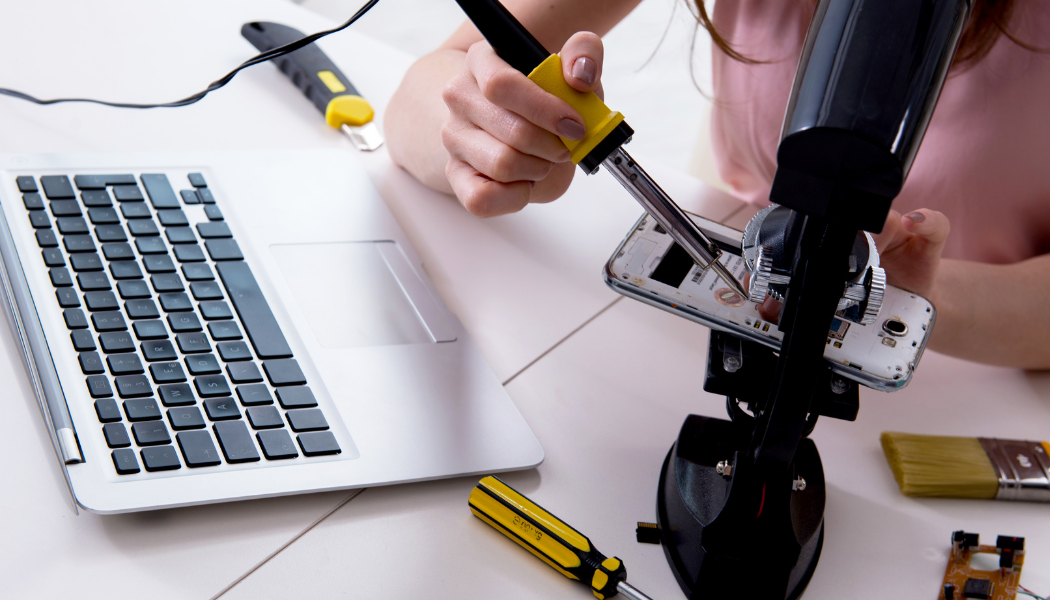
Mobile phones and laptops have become essential parts of everyday life, which has increased the need for technicians who understand how these devices work and how to troubleshoot technical problems. For students and beginners interested in electronics and technology, Mobile & Laptop Repair Training in Kerala can provide an opportunity to develop practical technical skills.
A structured repair training program generally goes beyond basic component replacement. Students can learn about electronic circuits, hardware diagnosis, software troubleshooting, motherboard-level repairs, soldering techniques, and professional service practices.
Understanding the skills covered in a training program can help students decide whether mobile and laptop repair is the right technical field for them.
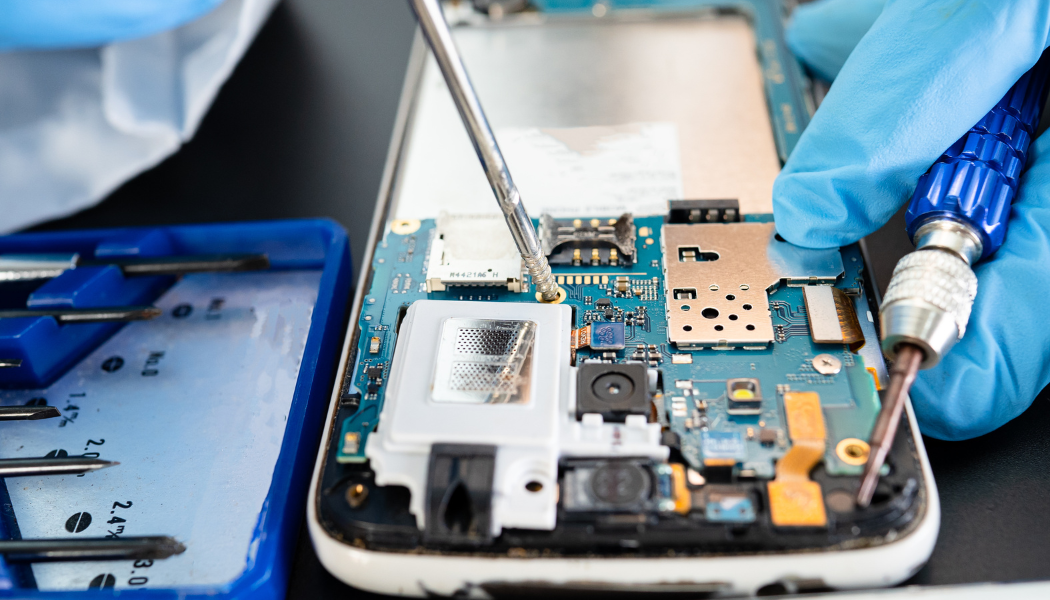
One of the first skills students need to develop is the ability to identify and understand different components.
Mobile phones contain components such as:
Laptop repair training introduces students to components such as motherboards, processors, RAM, storage devices, keyboards, displays, batteries, charging circuits, and other hardware.
Understanding what each component does helps technicians approach a fault systematically rather than replacing parts without identifying the actual cause.
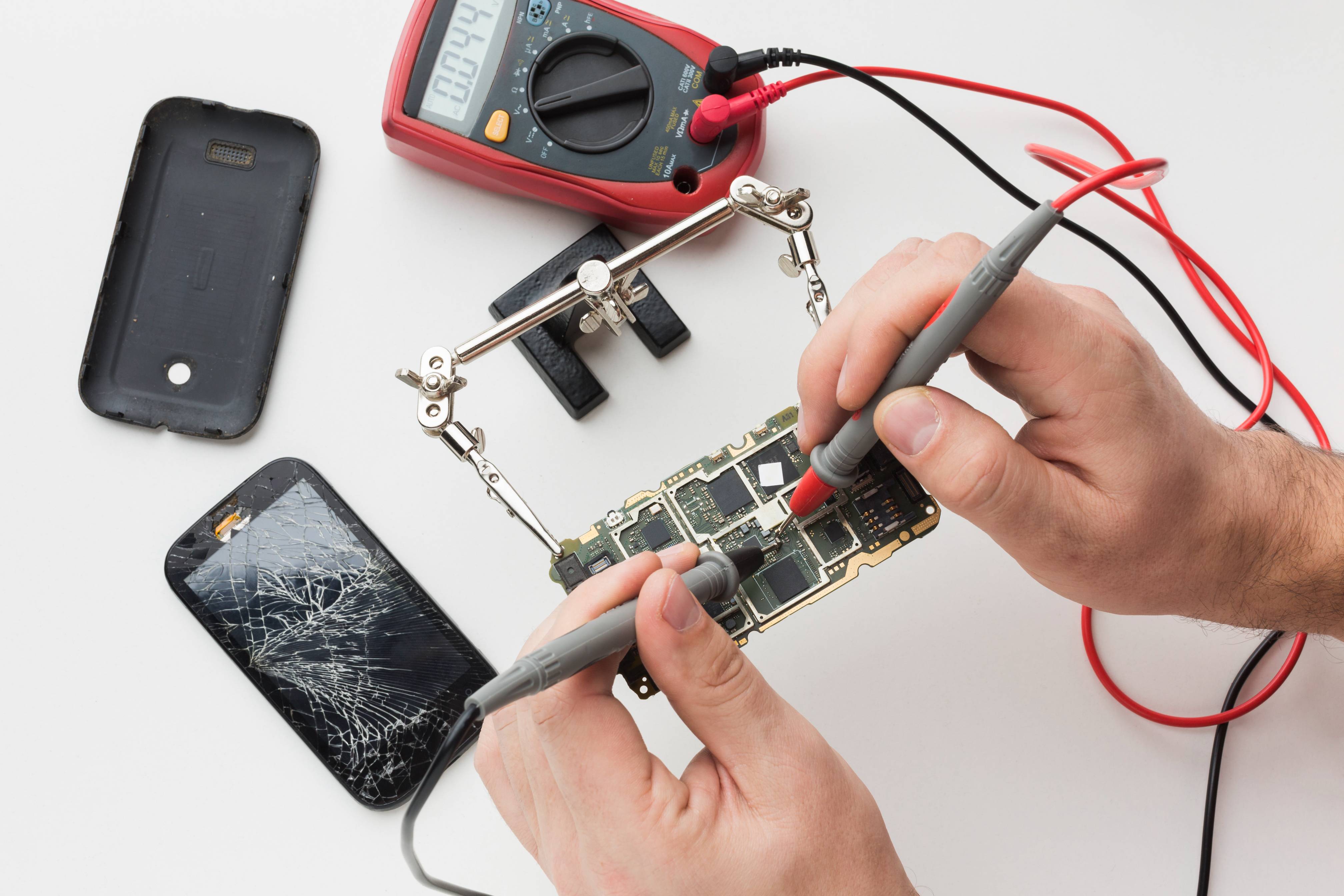
Repair technicians need a basic understanding of electronics to diagnose hardware problems effectively.
Training may introduce concepts such as:
These fundamentals provide the foundation for more advanced troubleshooting and chip-level repair.
Hardware troubleshooting is an important part of mobile and laptop repair.
A technician needs to identify the symptoms of a problem and determine where the fault may be located. For example, a device that does not switch on could have a battery issue, charging problem, power-management fault, damaged component, or motherboard-level problem.
Students learn to approach such issues through systematic testing instead of relying only on guesswork.
Mobile repair training can cover a range of common smartphone problems. Depending on the curriculum, students may learn techniques related to:
Magnus's published course content also describes training in smartphone architecture, component repair, and advanced service techniques.
Laptop repair requires an understanding of both individual components and the interaction between them.
Students can develop skills in areas such as:
Learning these areas can help students understand how to approach different laptop service situations.
Modern repair technicians need knowledge of software as well as hardware.
Mobile and laptop training can introduce students to areas such as:
Software knowledge becomes particularly useful when a device appears to have a hardware problem but the underlying issue is actually software-related.
Soldering is an important practical skill for technicians who want to progress beyond basic repair work.
Students may learn how to handle soldering equipment safely and accurately, work with small electronic components, and perform controlled repairs on circuit boards.
Advanced training can also introduce microsoldering techniques, where precision is particularly important because mobile and laptop circuit boards contain very small components.
Chip-level repair focuses on diagnosing faults at the motherboard and component level rather than simply replacing complete modules.
Students can learn about:
Magnus currently offers smartphone and smartphone-plus-laptop chip-level engineering programs, with its published curriculum covering core electronics, smartphone technology, laptop technology, advanced service techniques, and professional skills.
Technical knowledge becomes more useful when students know how to use the equipment required for diagnosis.
Depending on the course, training can involve tools such as:
Magnus's training infrastructure includes professional repair stations, BGA rework and soldering units, diagnostic equipment, and circuit-analysis facilities.
A good technician needs more than the ability to replace a component. Problem-solving is one of the most important skills developed during technical training.
For example, when a laptop does not power on, the technician needs to determine whether the problem originates from the charger, battery, charging circuit, power section, motherboard, or another component.
This diagnostic approach helps technicians avoid unnecessary replacements and work more systematically.
Some advanced repair programs may also introduce students to basic data recovery and maintenance techniques.
These skills can be useful when customers experience problems involving storage devices, operating systems, or inaccessible data. Technicians also need to understand the importance of handling customer devices and data responsibly during repair work.
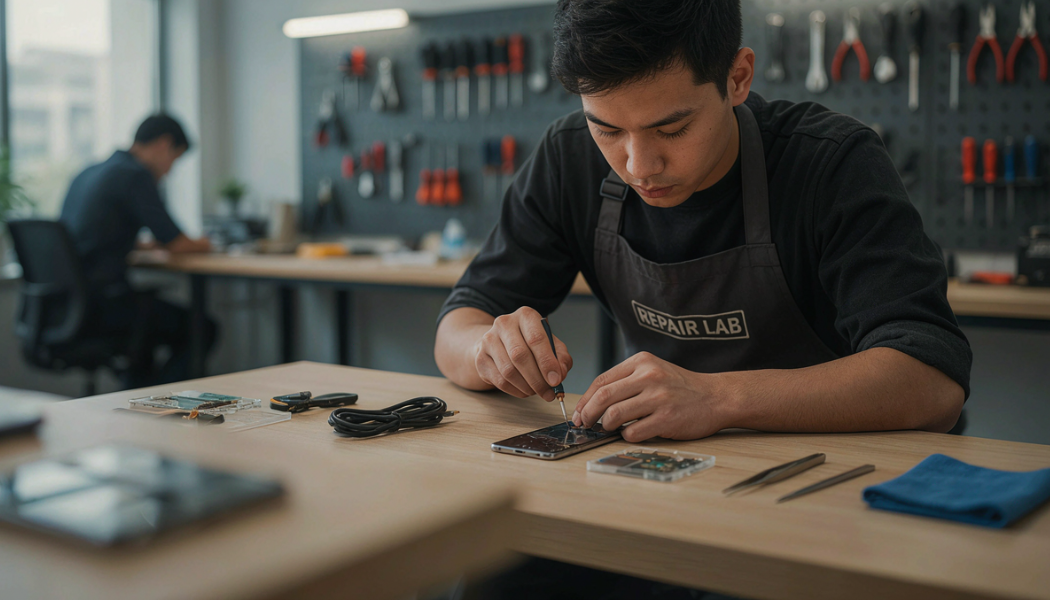
Repairing electronic devices requires patience and precision. Small components can be easily damaged when excessive force, heat, or incorrect tools are used.
Training helps students develop habits such as:
These habits are important for reducing avoidable damage during technical work.
Technical ability is only one part of working as a repair technician. Professionals may also need to communicate with customers, understand service requirements, explain problems, and maintain service records.
Magnus's published program information includes professional skills such as service management, customer relations, and business operations alongside technical training.
These skills can be particularly useful for students who eventually want to work independently or establish a repair business.
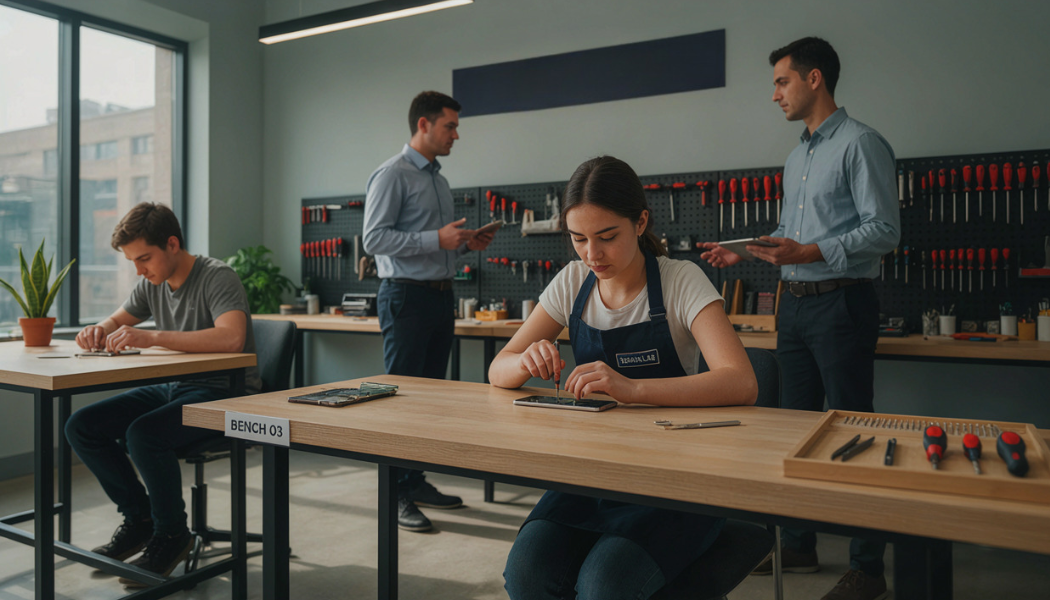
Repair skills cannot be developed entirely through classroom theory. Students need opportunities to observe faults, test components, use repair equipment, and understand how different problems are diagnosed.
Magnus describes its approach as combining theoretical learning with practical work, real-time problem solving, interactive sessions, and industry case studies.
Working with actual devices can help students connect electronic concepts with practical repair situations.
Once students develop sufficient technical knowledge and practical experience, they can explore different directions within the repair industry.
Potential roles include:
The specific opportunities available to an individual will depend on their technical skills, practical experience, qualifications, and local employment market.
Mobile & Laptop Repair Training in Kerala can cover much more than basic mobile servicing or laptop component replacement. Students can develop skills in electronics, hardware troubleshooting, software diagnosis, soldering, chip-level repair, diagnostic equipment, and professional service practices.
For anyone considering this field, understanding the curriculum is an important first step. A program that combines technical fundamentals with practical exposure can help learners build a stronger foundation for working with modern electronic devices.
Magnus Innovative offers smartphone and smartphone-plus-laptop technical programs that incorporate areas including electronics, device technology, advanced service techniques, and professional skills.
 Magnus Forum