"The ₹15,000 smartphone you wanted last year now costs ₹18,000. But why?"
If you've recently checked the price of a new smartphone, you may have noticed something surprising—even budget smartphones are getting more expensive.
Whether it's Samsung, vivo, Xiaomi, OPPO, realme, or other leading brands, prices are rising across the market. But this isn't just another price hike. It's a sign of a major transformation happening inside the global smartphone industry.
So, what's really driving these price increases? Let's find out.
Artificial Intelligence (AI) isn't just making smartphones smarter—it's also making them more expensive.
Modern smartphones now include AI-powered features like:
To support these features, smartphones need faster processors, more RAM, and larger storage. These advanced components cost significantly more to manufacture than previous generations.
Every smartphone depends on two essential components:
Today, these memory chips are in extremely high demand because AI data centers and cloud computing companies require massive amounts of them.
As chip manufacturers prioritize AI infrastructure, fewer memory chips are available for smartphone production. This reduced supply has pushed prices higher, making smartphones more expensive to build.
Until recently, budget smartphones offered impressive features at affordable prices.
Now, manufacturers face a difficult choice:
Most brands have chosen to increase prices while maintaining the quality customers expect.
Features that were once available only in flagship smartphones are now appearing in budget models.
These include:
While this gives consumers better technology, it also increases manufacturing costs.
Smartphone pricing isn't determined by hardware alone.
Manufacturers also invest heavily in:
All of these factors contribute to the final retail price.
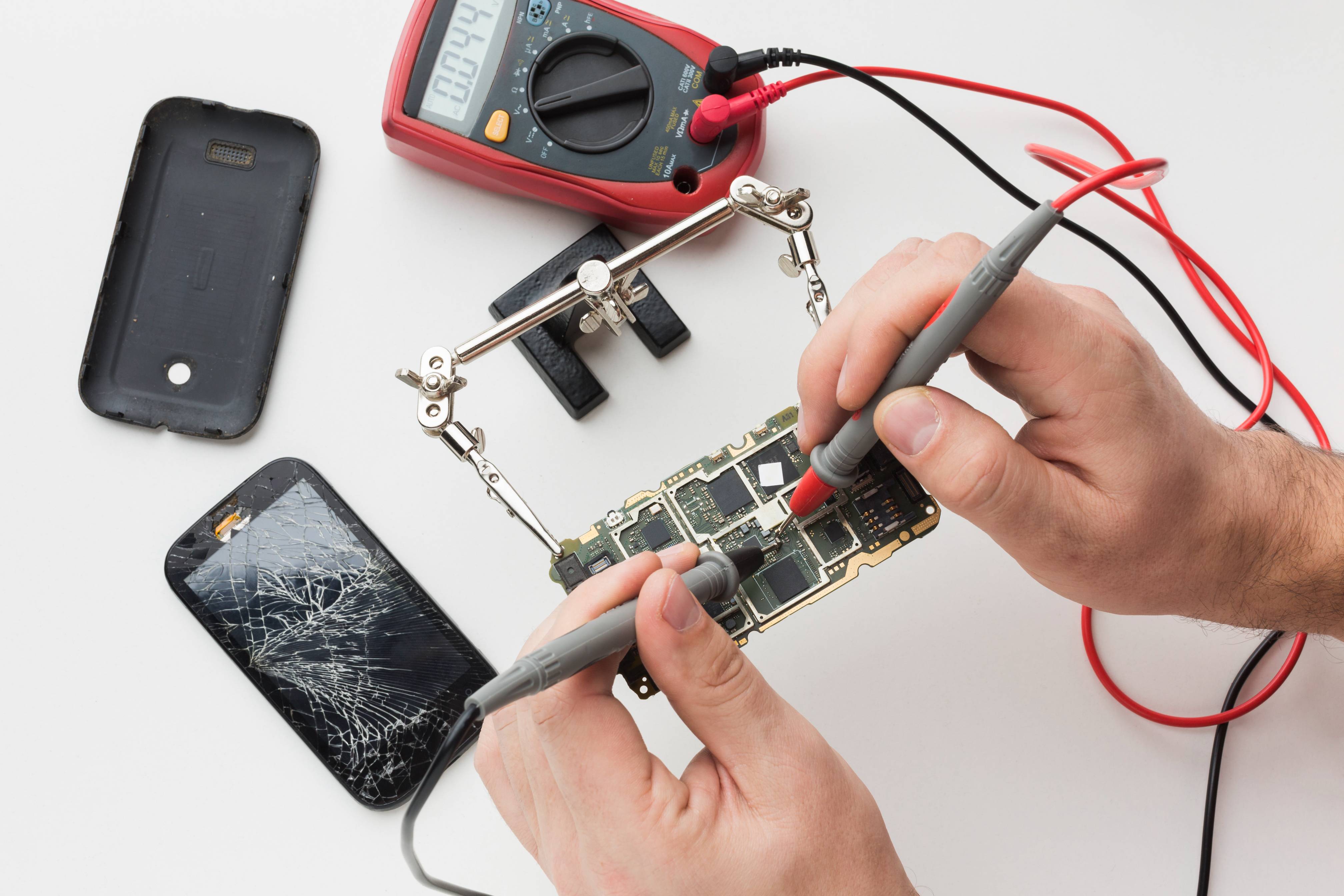
Instead of replacing their smartphones every year, many users are choosing to repair and maintain their existing devices.
This shift is creating a growing demand for skilled professionals who can diagnose, repair, and service modern smartphones.
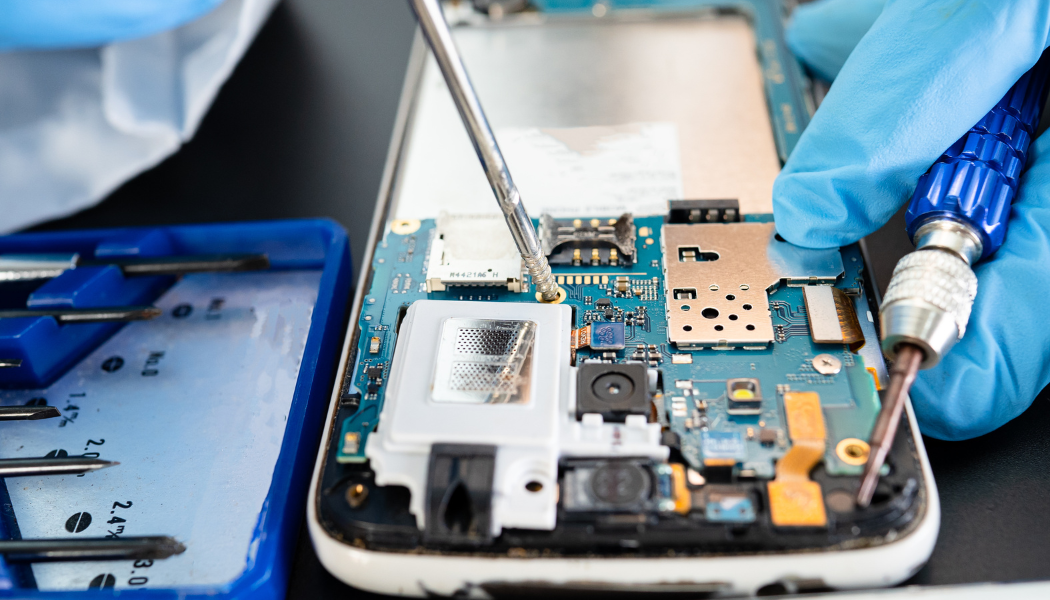
As smartphones become more advanced, repairing them also requires advanced technical expertise.
Every new smartphone contains powerful processors, sophisticated chipsets, AI-powered hardware, and complex electronic components.
Behind every smartphone is a team of skilled professionals responsible for manufacturing, diagnosing, repairing, and maintaining these devices.
With India's electronics and semiconductor industries expanding rapidly, the need for trained smartphone hardware and chip-level engineers continues to grow.
For students looking for a practical, future-focused career, this is more than just a trend—it's an opportunity.
Technology keeps evolving, but one thing remains constant—the demand for skilled professionals.
At Magnus Institute, students receive practical, industry-oriented training in smartphone and laptop chip-level engineering, preparing them with the technical skills required in today's electronics industry.
As smartphones become smarter and more sophisticated, the world needs experts who know how they work.
Don't just use technology. Learn to build, repair, and master it.
The rising price of smartphones isn't simply about inflation. It's the result of AI innovation, advanced hardware, expensive memory chips, global supply-chain challenges, and the increasing value packed into every new device.
While smartphones are becoming more expensive, they are also creating exciting career opportunities for the next generation of skilled technicians and electronics professionals.
The future belongs to those who understand technology—not just those who use it.
 Magnus Forum