Are you interested in electronics, smartphones, laptops, and practical technical skills? If so, enrolling in a professional mobile and laptop repairing course could be an option worth exploring.
Smartphones and laptops have become essential parts of everyday life. From communication and education to business and entertainment, people depend on electronic devices every day. This creates an ongoing need for technicians who understand device components, hardware troubleshooting, software issues, and electronic repair techniques.
For students looking to develop technical skills, choosing one of the best mobile and laptop repairing courses in Kerala can be an important first step towards entering the electronics service industry.
However, selecting the right institute requires more than comparing advertisements or course fees. Students should evaluate the course curriculum, practical training, equipment, trainers, industry exposure, and career guidance before making an admission decision.
In this guide, we will explore what makes a mobile and laptop repairing course worth considering, what students should learn, and why Magnus Institute of Technology is an option to explore in Kerala.
Technology continues to evolve, and electronic devices require regular maintenance, troubleshooting, and servicing.
A structured mobile and laptop repairing course introduces students to the technical knowledge and practical skills required to understand how these devices work.
Here are some reasons why students consider this field:
Students can learn about electronic components, smartphone architecture, laptop hardware, circuit fundamentals, and troubleshooting techniques.
Practical training helps learners understand how different components function and how technical faults can be identified.
After developing the required knowledge and experience, students can explore opportunities in:
Career opportunities depend on the student's technical ability, experience, qualifications, and industry requirements.
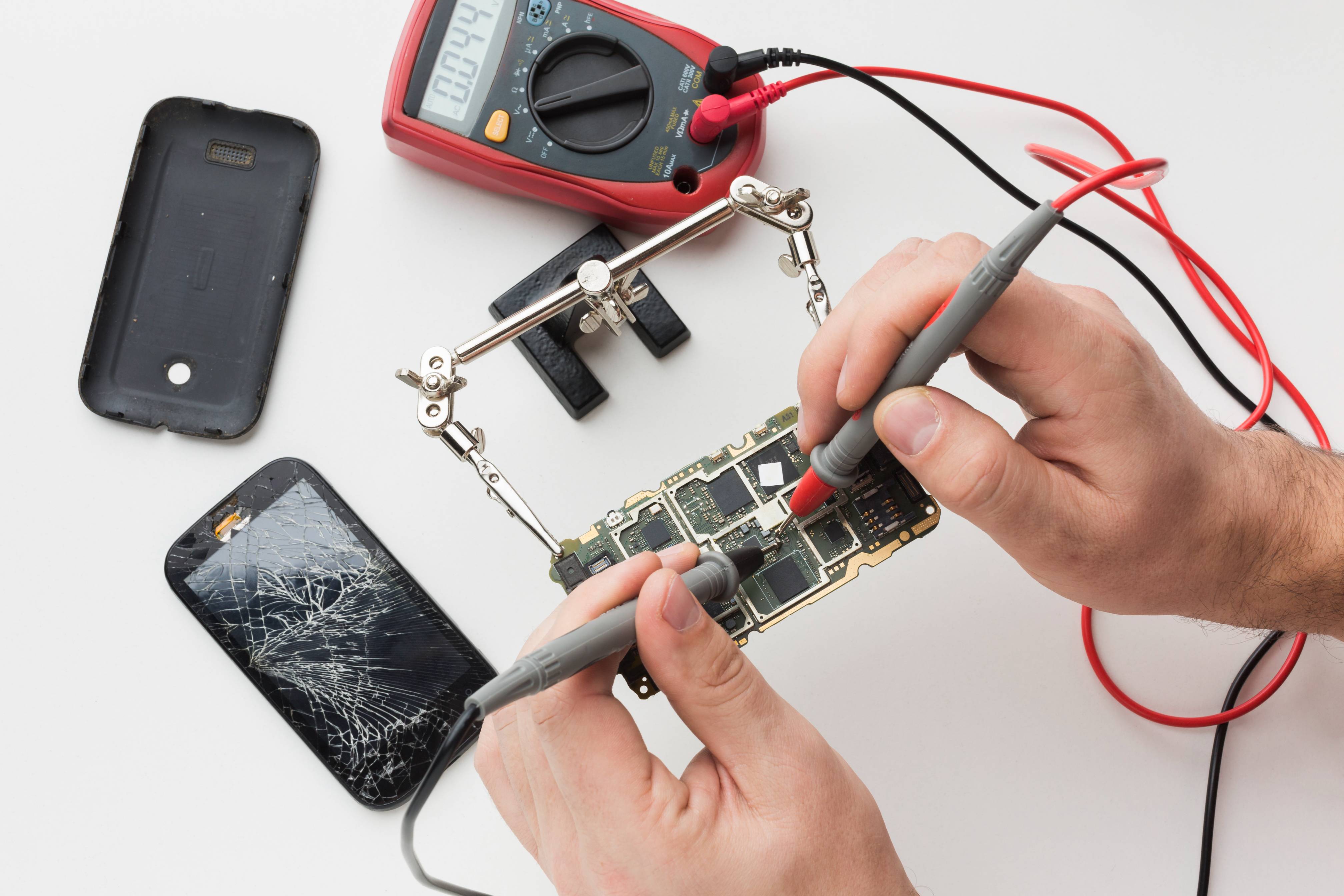
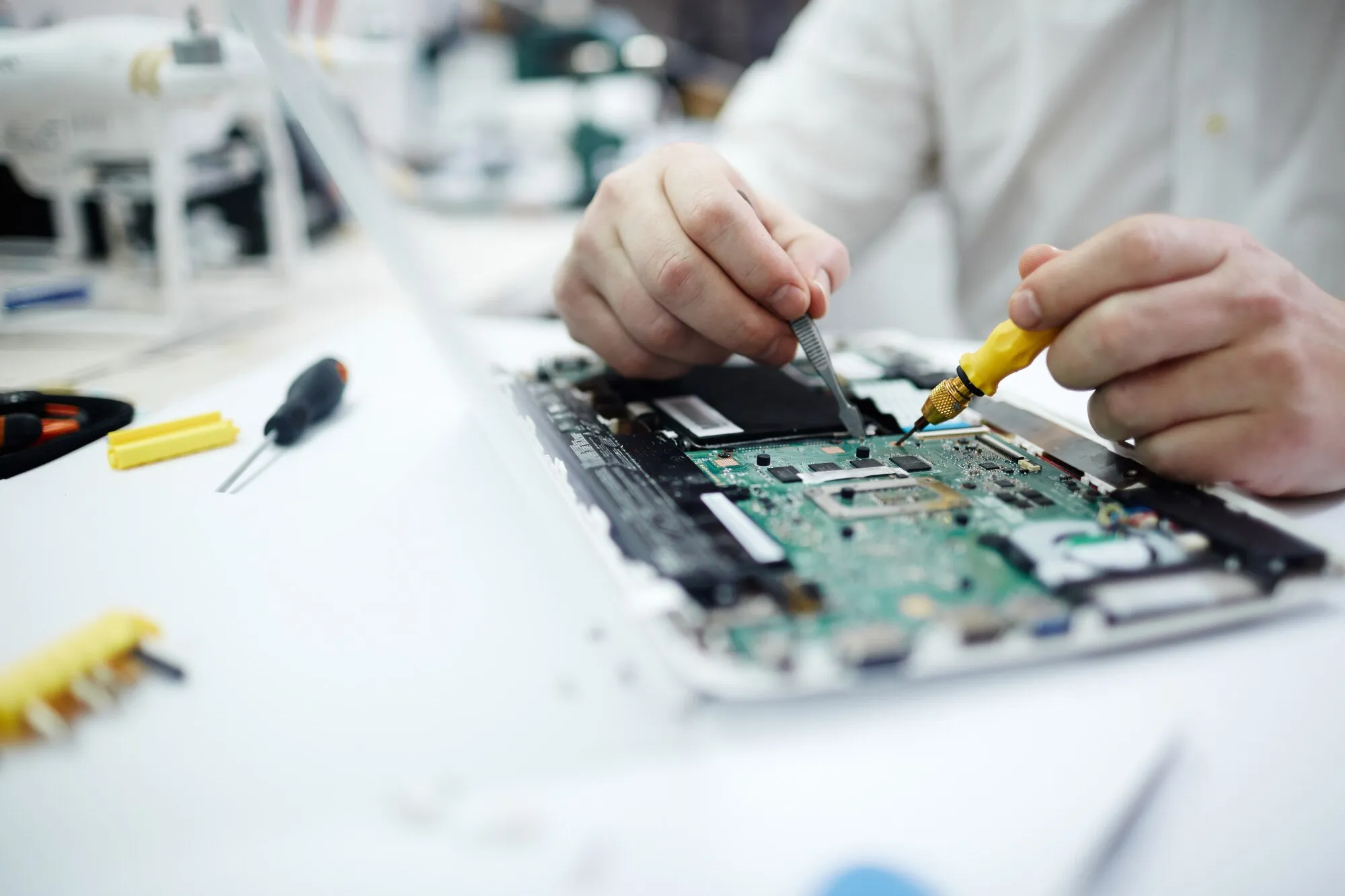
Students interested in advanced electronics can explore chip-level engineering, motherboard diagnostics, soldering, micro-soldering, and component-level troubleshooting.
These skills can help learners progress beyond basic device servicing.
Individuals who develop sufficient technical and business knowledge may consider establishing their own mobile or laptop repairing service centre.
Practical experience, equipment, spare-parts sourcing, customer service, and business planning are important considerations before starting a repair business.
Before choosing an institute, students should understand the features of a well-structured technical programme.
Here are seven important factors to compare.
A good programme should cover the technical fundamentals required to understand modern electronic devices.
Depending on the course, students should look for training in:
Always request the detailed syllabus before admission and check which subjects include practical sessions.
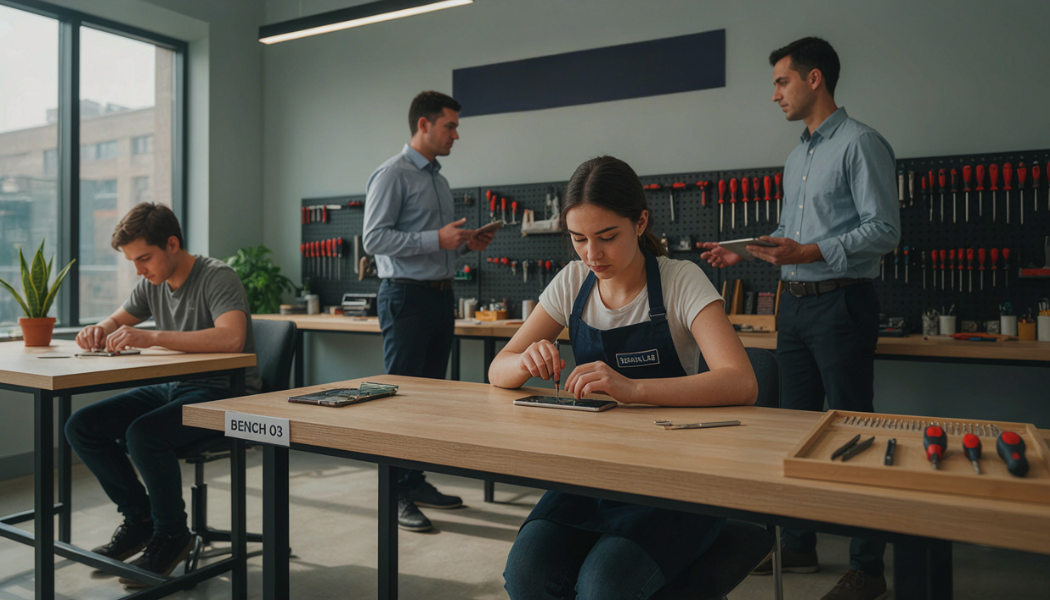
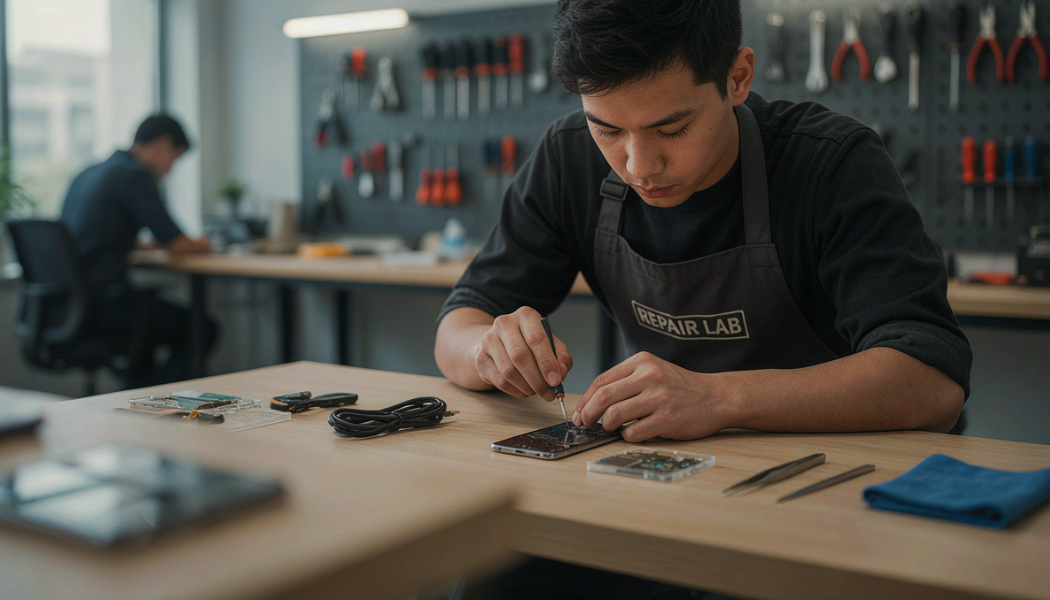
Mobile and laptop repairing is a practical profession.
Students need opportunities to work with devices, identify faults, use diagnostic tools, and understand repair procedures.
Before joining an institute, check whether it offers:
Practical exposure is important because understanding a repair process theoretically is different from performing it correctly.
Chip-level engineering involves diagnosing problems at the circuit-board and electronic component level.
Students interested in advanced repairing should look for training that introduces:
Students should also check how much practical experience the institute provides in these areas.
The quality of instruction is another important factor.
Look for an institute where trainers can explain technical concepts clearly, demonstrate repair procedures, supervise practical sessions, and guide students through troubleshooting exercises.
Students should enquire about the trainers' relevant technical experience and teaching approach.
Modern electronics servicing requires suitable tools and testing equipment.
Students should check whether the institute provides access to:
Access to suitable equipment helps students become familiar with tools used in practical repair environments.
Before selecting a course, enquire about the programme's internship structure, industry exposure, certification, and career support.
Important factors include:
Students should confirm exactly what is included in their selected programme rather than assuming that every institute provides the same benefits.
Location is also an important consideration.
Students should check whether the institute has an accessible training centre, suitable class schedules, and the necessary practical facilities at their chosen branch.
Students can choose different programmes depending on their technical interests and career goals.
The following table explains the main training options.
|
Course type |
Main learning areas |
Suitable for |
|
Basic Mobile Repairing |
Smartphone components and common faults |
Beginners |
|
Advanced Mobile Repairing |
Advanced hardware troubleshooting and chip-level techniques |
Aspiring mobile technicians |
|
Laptop Repairing |
Laptop hardware, software, and diagnostics |
Aspiring laptop technicians |
|
Smartphone Chip-Level Engineering |
Smartphone electronics and advanced component-level servicing |
Students interested in mobile specialisation |
|
Smartphone + Laptop Chip-Level Engineering |
Smartphone, laptop, Mac systems, and advanced diagnostics |
Students interested in multi-device servicing |
The right programme depends on the student's interests, learning goals, and preferred technical specialisation.
When exploring mobile and laptop repairing institutes in Kerala, Magnus Institute of Technology is one option students can consider.
Magnus offers specialised programmes focused on smartphone chip-level engineering and combined smartphone and laptop chip-level engineering.
The institute's published course information highlights practical training, advanced technical subjects, industry internship components, and student support.
Magnus offers an Electronics and Communication in Smartphone Chip-Level Engineering programme which has a total duration of 20 months.
The structure includes:
The curriculum covers areas such as:
The course page lists eligibility for students who have passed 10th or Plus Two in any stream, with an age requirement of 17 years and above.
Learn more about the Smartphone chip-level engineering course.
Students who want to develop technical knowledge across multiple electronic devices can explore Magnus's combined Smartphone + Laptop Chip-Level Engineering programme.
According to the official course page, the programme has a total duration of 22 months.
The published structure includes:
The programme covers:
The course page lists eligibility for students who have passed 10th or Plus Two in any stream, with an age requirement of 17 years and above.
Learn more about the Smartphone + Laptop Chip-Level Engineering Course.
Technical education requires suitable facilities where students can develop practical skills.
Magnus Institute publishes information about its technical training infrastructure, including:
These facilities support the practical training approach described by the institute.
Magnus publishes information about its affiliations with the Telecom Sector Skill Council (TSSC) and Electronics Sector Skills Council of India (ESSCI).
It’s website also identifies an NSQF-aligned training framework and provides affiliation-related details.
Students should verify the specific certification, applicable qualification, and affiliation coverage for their selected course and branch before admission.
In addition to technical training, Magnus publishes information about student support services such as:
Students interested in future self-employment can enquire about the business guidance available within their selected programme.
Accessibility is another factor when choosing a technical institute.
Magnus has training locations across Kerala, including:
Students can visit the official branch directory to check the available training centres and enquire about programme availability.
Explore: Magnus Training Centres Across Kerala.
After developing the necessary technical knowledge and practical experience, students can explore several career paths.
Mobile repair technicians identify and resolve smartphone problems involving displays, batteries, charging systems, speakers, connectors, and other components.
Laptop technicians diagnose and troubleshoot hardware and software issues, including motherboard problems, storage faults, display issues, and charging-related problems.
With advanced training and sufficient practical experience, technicians can specialise in motherboard diagnostics and component-level repairs.
Students can explore technical servicing and maintenance roles in electronics-related businesses.
Individuals with the necessary technical, business, and customer-service skills can explore establishing their own mobile or laptop repairing service centre.
Career progression depends on practical ability, experience, business knowledge, and continuous technical learning.
Both fields offer different learning opportunities.
|
Comparison factor |
Mobile repairing |
Laptop repairing |
|
Main devices |
Smartphones and related devices |
Laptops and Mac systems |
|
Technical focus |
Smartphone hardware, software, and motherboard repair |
Laptop hardware, operating systems, and motherboard diagnostics |
|
Specialised skills |
Mobile chip-level repair and micro-soldering |
Laptop circuit diagnostics and component-level servicing |
|
Career direction |
Mobile service technician |
Laptop service technician |
Students interested in both categories may consider a combined smartphone and laptop engineering programme.
A technical repairing course may be suitable for:
The eligibility requirements vary between programmes, so students should check the official admission criteria before applying.
The best course depends on the student's career goals, curriculum, practical training facilities, trainers, equipment, and industry exposure. Students interested in both smartphones and laptops can compare combined chip-level engineering programmes, such as the one offered by Magnus Institute of Technology.
Students can compare institutes based on course content, training facilities, trainer experience, certification, and practical exposure. Magnus Institute of Technology offers smartphone chip-level engineering and combined smartphone-plus-laptop chip-level engineering programmes.
Yes. Some institutes offer combined programmes covering smartphone and laptop technologies. Magnus offers a Smartphone + Laptop Chip-Level Engineering programme covering smartphone, laptop, and Mac systems.
Magnus's published Smartphone Chip-Level Engineering programme has a duration of 20 months, including 8 months of classroom and hands-on practical training and 12 months of industry internship.
The published Smartphone + Laptop Chip-Level Engineering programme has a duration of 22 months, including 10 months of classroom and hands-on practical training and 12 months of industry internship.
Magnus's published course pages list eligibility for students who have passed 10th or Plus Two in any stream, subject to the minimum age requirement of 17 years. Students should confirm the current admission requirements directly with the institute.
Chip-level repairing involves diagnosing and repairing faults at the electronic component and circuit-board level. It requires knowledge of electronics, circuit analysis, diagnostic equipment, and specialised soldering techniques.
Yes. Practical training helps students understand how devices work, identify faults, use repair tools, and apply troubleshooting techniques. Students should check the actual practical training structure before joining an institute.
Students who develop sufficient technical skills, practical experience, and business knowledge can explore starting their own repair service centre. Business planning, equipment, spare-parts sourcing, and customer service are important considerations.
Magnus has training locations in several parts of Kerala, including Thrissur, Kochi, Kozhikode, Kannur, Palakkad, and other locations. Students can check the official branch directory for addresses and programme availability.
Choosing a technical training programme is an important decision for students interested in electronics and device servicing.
Before enrolling, compare the course syllabus, practical training, duration, equipment, faculty, industry exposure, and available student support.
If you are looking for mobile and laptop repairing courses in Kerala, Magnus Institute of Technology is an option worth exploring.
With its specialised smartphone and smartphone-plus-laptop chip-level engineering programmes, practical training infrastructure, and multiple training locations, Magnus provides technical learning pathways for students interested in developing device repair skills.
Explore the available courses, understand the admission requirements, and speak with the institute before choosing the programme that matches your interests.
Interested in learning mobile and laptop repairing?
Contact Magnus Institute of Technology to enquire about course details, fees, admission requirements, internship structure, and available training locations.
Website: https://magnusinnovative.com/
Phone: +91 83689 00500
Email: info@magnusinnovative.com
Take the first step towards developing your technical skills with Magnus Institute of Technology.
 Magnus Forum