Smartphones have become an essential part of everyday life, and with millions of devices in use, the need for skilled mobile repair technicians continues to grow. Learning mobile repair is not just about understanding theory; it requires hands-on practical training to truly master the skills needed to repair modern smartphones. Practical training gives students real experience working with devices, tools, and troubleshooting techniques that prepare them for real-world repair situations.
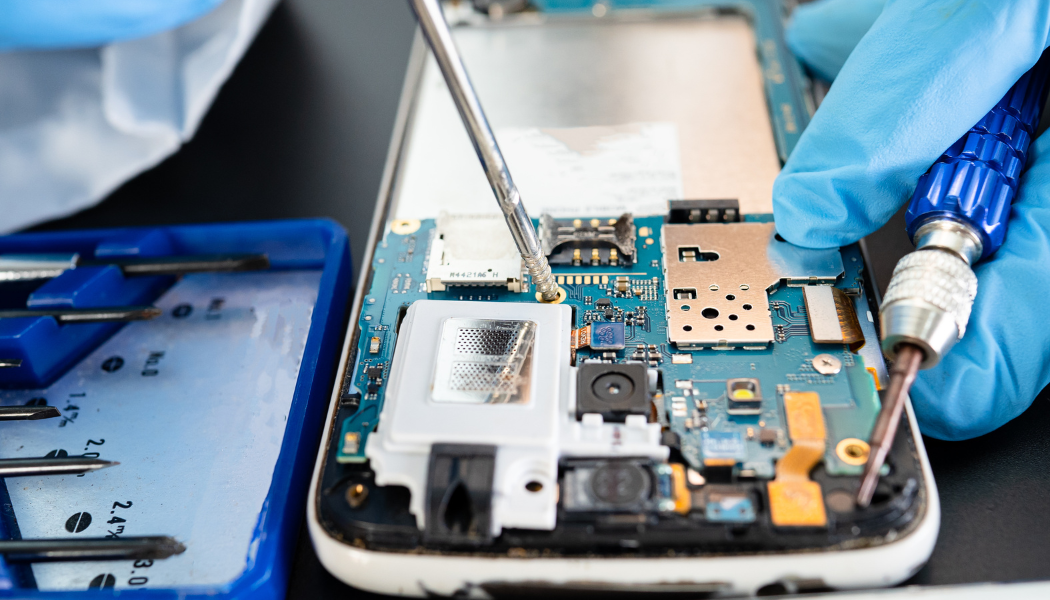
Smartphones consist of many small and sensitive components such as motherboards, IC chips, batteries, cameras, displays, and connectors. Reading about these parts in a classroom is helpful, but working directly with them during practical sessions helps students understand how they function and how they connect inside the device.
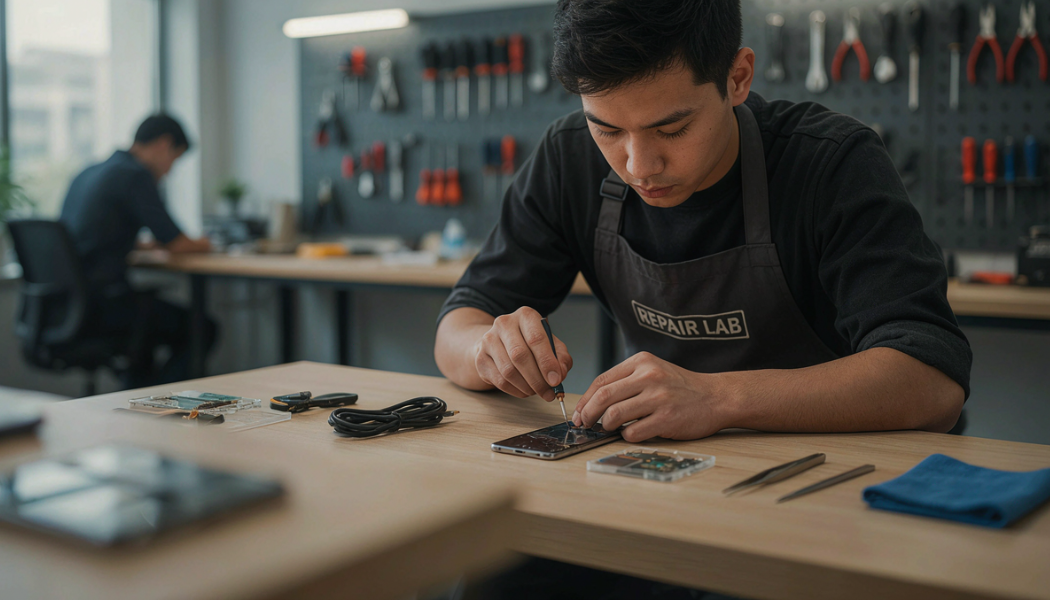
During practical training, students learn how to carefully open smartphones, identify different parts, and reassemble them without causing damage. This hands-on approach helps them become familiar with internal phone structures and improves their technical understanding.
A successful mobile technician must be able to identify problems quickly and accurately. Practical training allows students to work on different types of faults such as charging issues, display problems, battery failures, network errors, or software malfunctions.
By analyzing real devices and troubleshooting problems step by step, students learn how to diagnose faults efficiently. This process improves logical thinking and problem-solving skills, which are essential for repairing smartphones professionally.
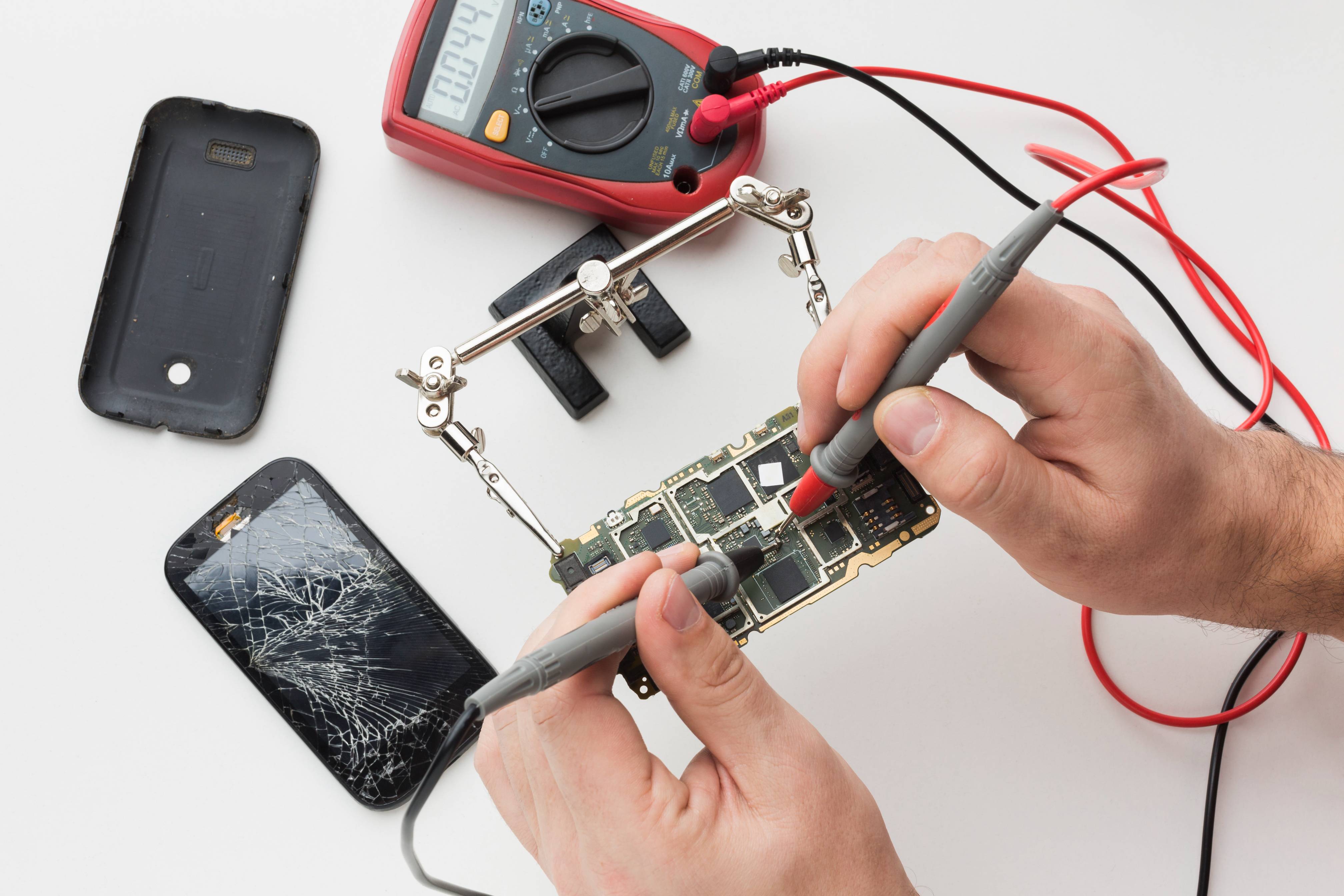
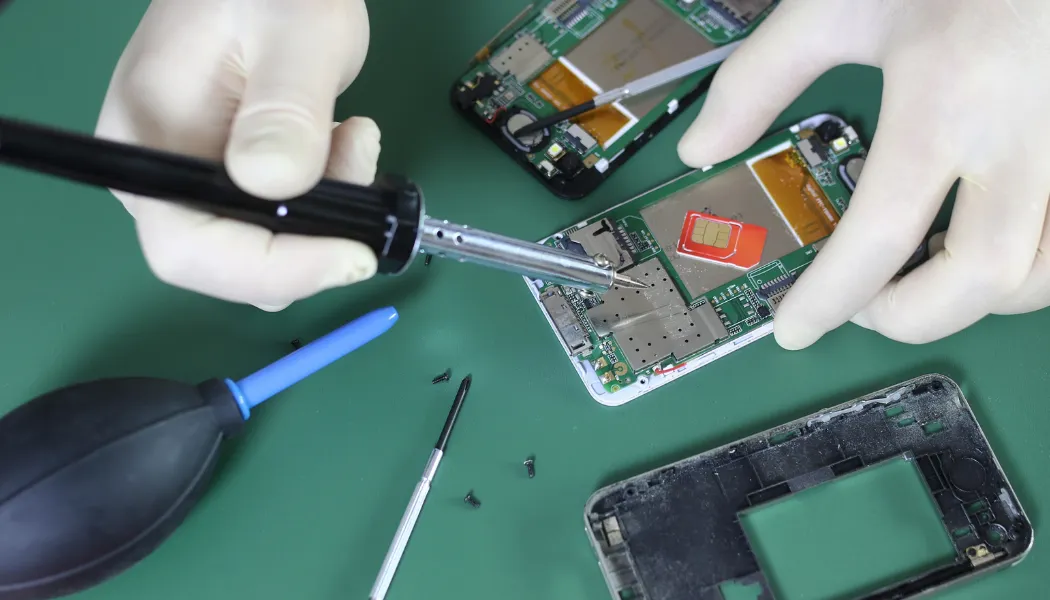
Mobile repair technicians rely on specialized tools to perform accurate repairs. Practical training introduces students to important equipment such as soldering stations, multimeters, microscopes, DC power supplies, and flashing tools.
Instead of just learning the theory behind these tools, students get the opportunity to practice using them in real repair situations. This hands-on experience helps them develop precision and confidence while handling delicate components.
Every smartphone brand and model has a different internal design and repair process. Practical training exposes students to various types of smartphones, helping them understand how to handle different hardware layouts and technologies.
By working with multiple devices, students gain valuable experience and become more adaptable technicians. This knowledge prepares them to repair a wide range of smartphones in professional service centers.
Confidence is an important factor for anyone entering the technical field. Practical training allows students to repeatedly practice repairs under the guidance of experienced instructors. With each repair task, students gain more confidence in their abilities.
Handling real repair cases also prepares students for the challenges they may face in a professional repair shop or service center. This practical exposure ensures they are ready to work independently after completing their training.
Mobile repair training with a strong focus on practical learning can open many career opportunities. Skilled technicians can work in mobile service centers, electronics shops, or authorized repair facilities. Many technicians also choose to start their own mobile repair businesses, which can be a profitable career option with low investment.
At Magnus Innovative Institute, practical learning is a key part of the mobile repair training program. Students receive hands-on experience working with smartphones, repair tools, and real troubleshooting scenarios. This practical approach helps students build strong technical skills and gain the confidence required to succeed in the mobile repair industry.
Practical training is the most effective way to master smartphone repairs. It helps students understand device components, improve diagnostic abilities, and gain real experience using professional repair tools. With proper hands-on learning and expert guidance, anyone interested in technology can develop the skills needed to become a successful mobile repair technician.
 Magnus Forum