One drop of water can destroy a device—or turn a skilled technician into a problem solver.
A smartphone lands in water for just a few seconds. It looks fine on the outside, but weeks later it refuses to power on. Inside, corrosion is silently eating away at power lines, IC legs, and signal paths. This is where water damage repair techniques separate guesswork from professional electronics repair.
In this 2026 guide, we break down advanced and normal level water damage repair techniques, exactly as used in professional repair labs.
Water damage is more than visible corrosion. Moisture introduces:
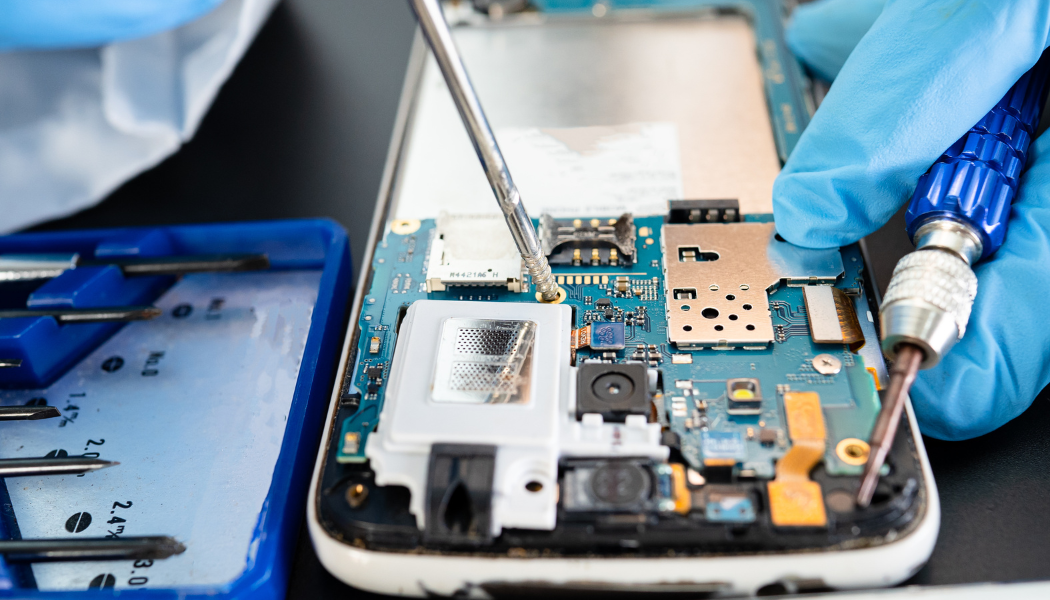
Modern multilayer PCBs and micro-BGA ICs demand skill-based repair techniques, not trial-and-error cleaning.
Ultrasonic Cleaner – Board-Level Corrosion Removal
Purpose:
Deep removal of corrosion, salts, and ionic contamination from PCBs, including under ICs.
How It Works:
High-frequency sound waves create microscopic bubbles that collapse and lift contamination without mechanical force.
2026 Best Practices:
Why Professionals Use It:
Never ultrasonic clean displays, Face ID modules, speakers, or cameras.
Purpose:
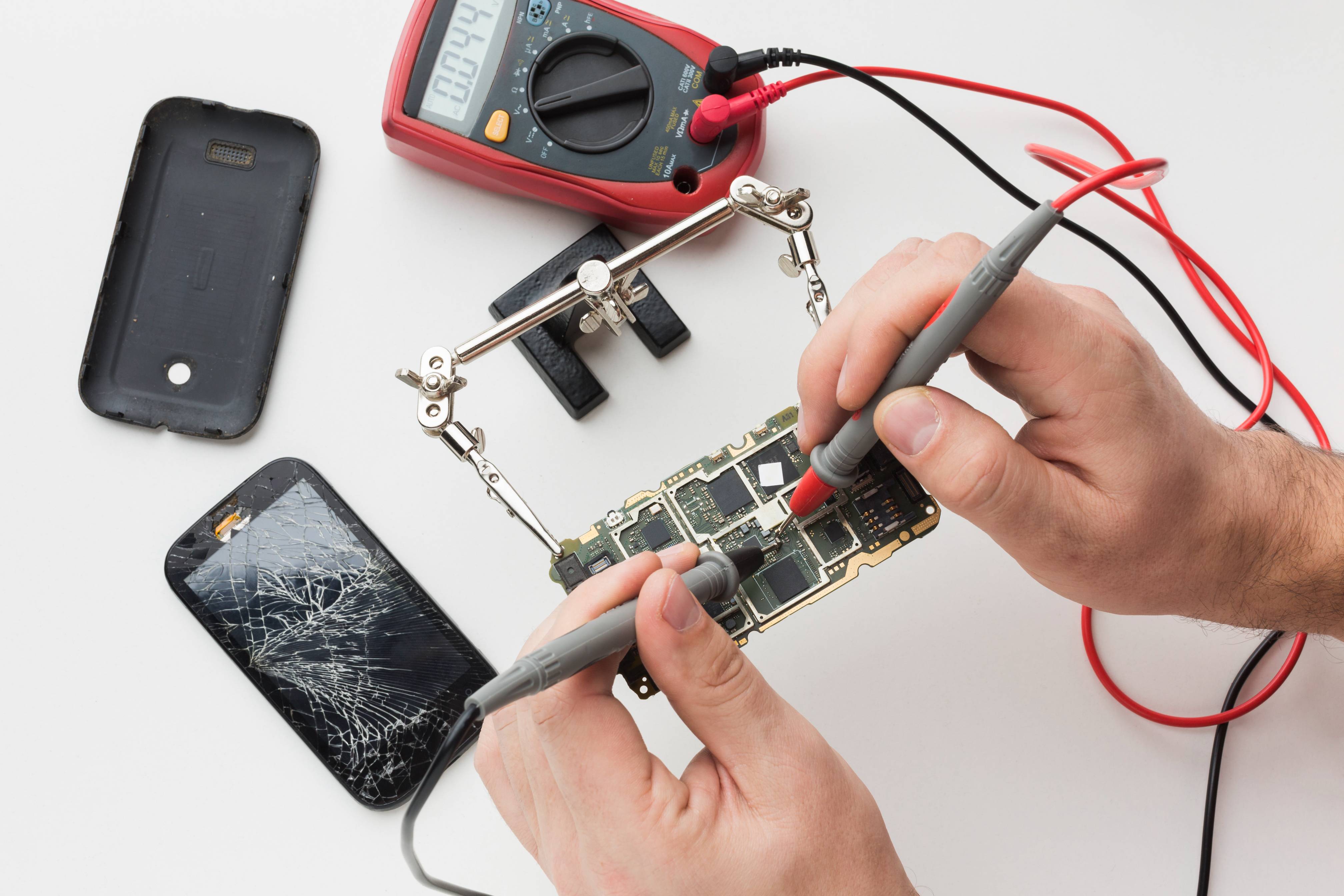
Identify shorts, leakage paths, and corrosion-based heating invisible to the naked eye.
How It Works:
Thermal imaging detects abnormal heat rise when controlled voltage is applied.
Detects:
2026 Advantage:
AI-assisted hotspot detection enables faster and safer diagnosis without unnecessary IC removal.
Rosin Flux Method – Corrosion Neutralization
Best For:
Light corrosion on connectors and IC legs.
Why It Works:
Rosin flux chemically breaks oxide layers and improves solder conductivity.
Limitations:
Cannot clean under ICs or handle heavy corrosion.
Freeze Spray Method – Short Circuit Detection
Purpose:
Quickly locate shorted components using temperature contrast.
Why It’s Useful:
Fast, inexpensive, and effective when thermal cameras are unavailable.
Limitations:
Less precise and cannot detect deep internal IC damage.
Why Proper Training Matters – Magnus Institute of Technology
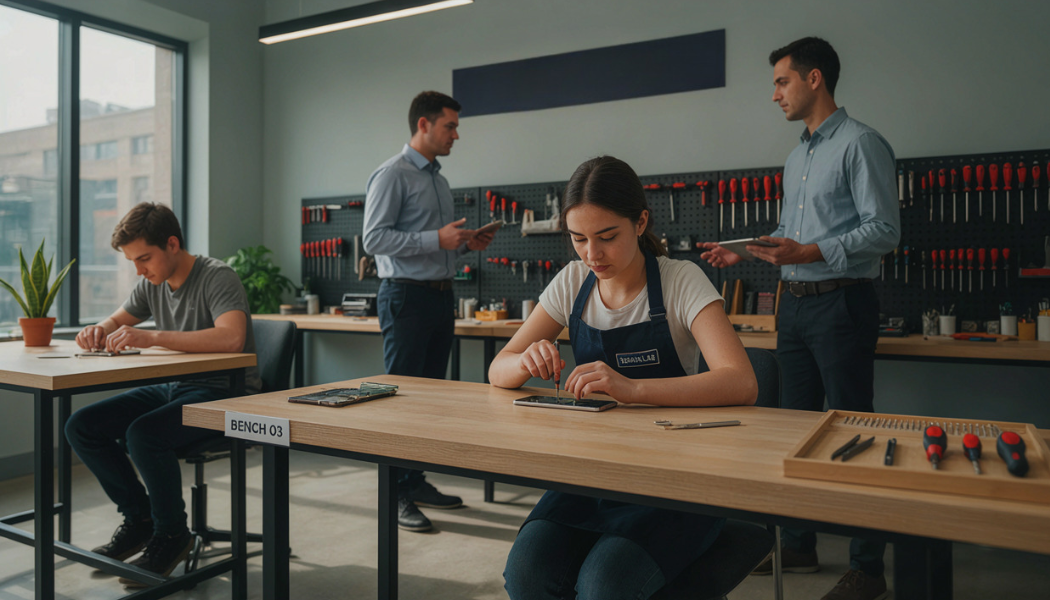
At Magnus Institute of Technology, water damage repair is taught as a structured skill, not a shortcut. Students learn how to:
This skill-level approach ensures technicians repair devices safely, efficiently, and professionally in real-world scenarios.
Water damage repair in 2026 is no longer about drying and hoping for the best. It requires diagnosis, precision, and the right technique at the right time. From rosin flux cleaning to ultrasonic board recovery and thermal diagnostics, mastering these methods defines a true technician.
Ready to build real board-level repair skills?
Enroll with Magnus Institute of Technology and learn professional water damage repair techniques that meet modern industry standards.
Train smarter. Repair better. Build a future in electronics repair.
 Magnus Forum