Completing Plus Two is an important stage for students who are planning their next career move. While traditional degree programmes remain an option, many students are also looking for courses that help them develop practical skills and prepare for employment.
For students interested in technology, electronics, and hands-on work, Mobile & Laptop Repair Training in Kasaragod can be a practical career-oriented option. The growing use of smartphones and laptops has created a continuing need for people who understand how these devices work and how to diagnose and repair common problems.
A job-oriented course generally focuses on skills that can be applied in a workplace rather than only theoretical knowledge. When choosing a course after Plus Two, students can consider factors such as:
The right course depends on a student's interests, learning preferences, and career goals.
Mobile phones and laptops have become part of everyday personal, educational, and professional activities. As the number of devices in use increases, repair and maintenance skills can remain useful across different settings.
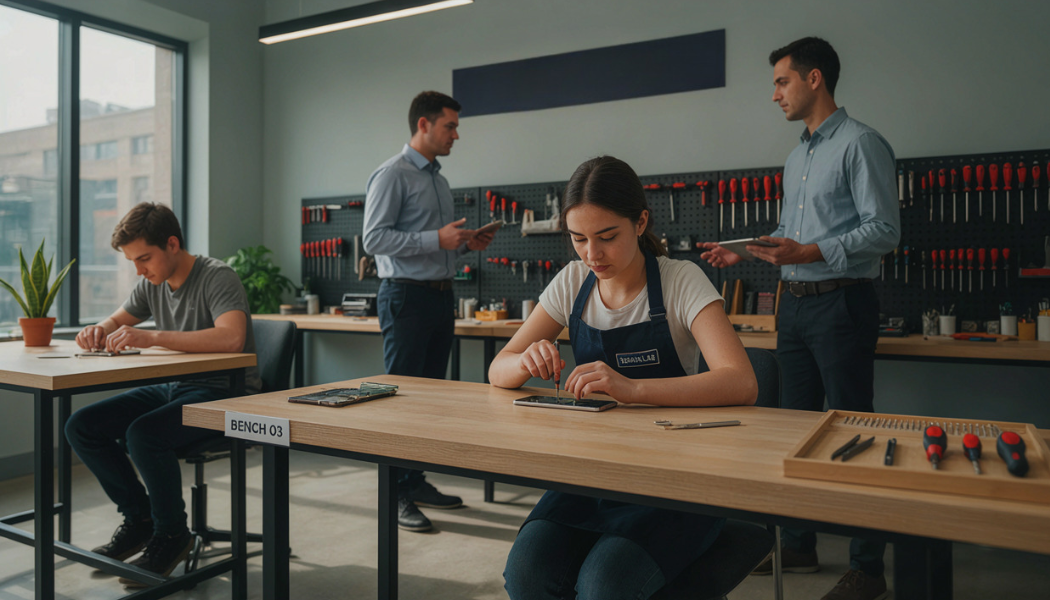
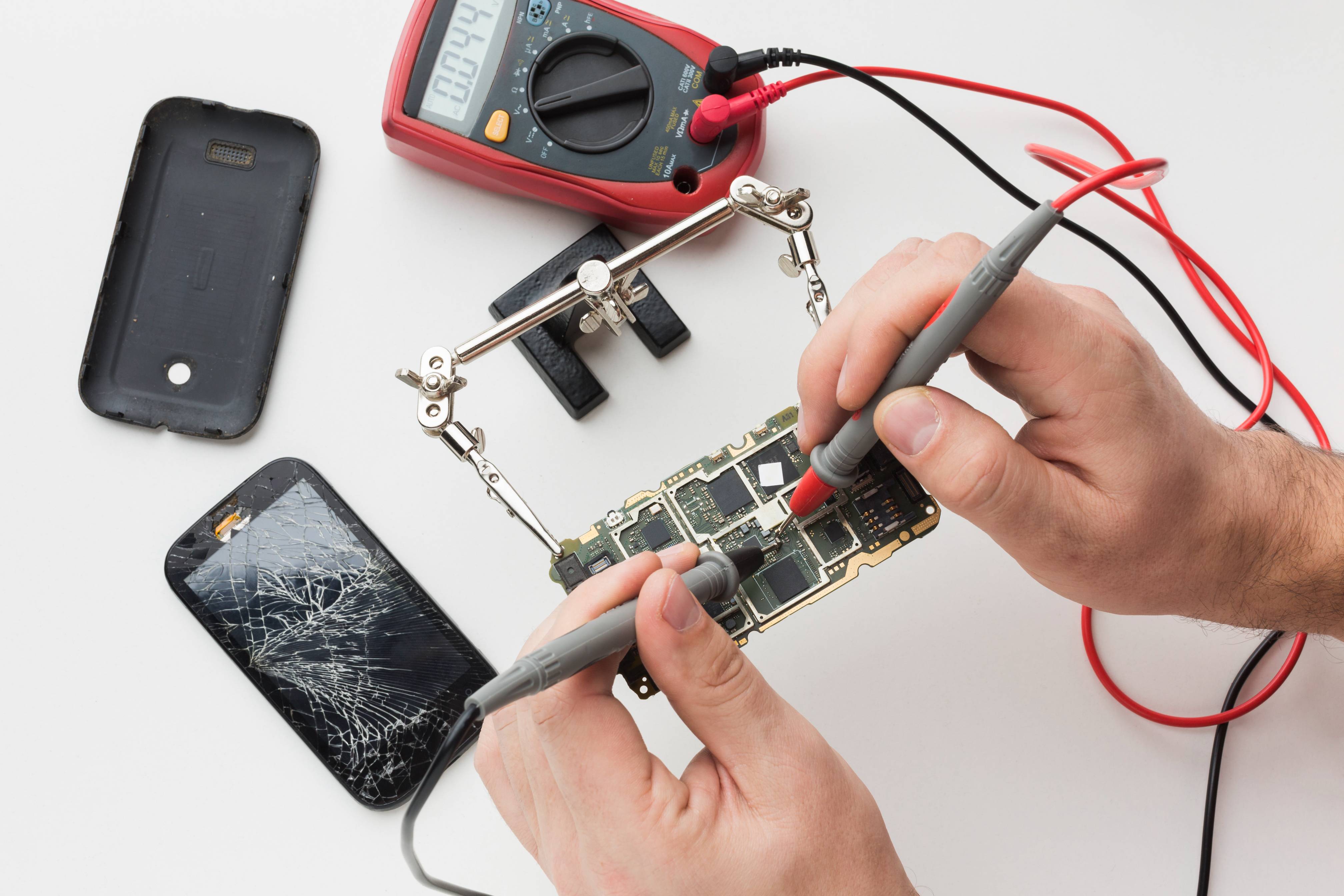
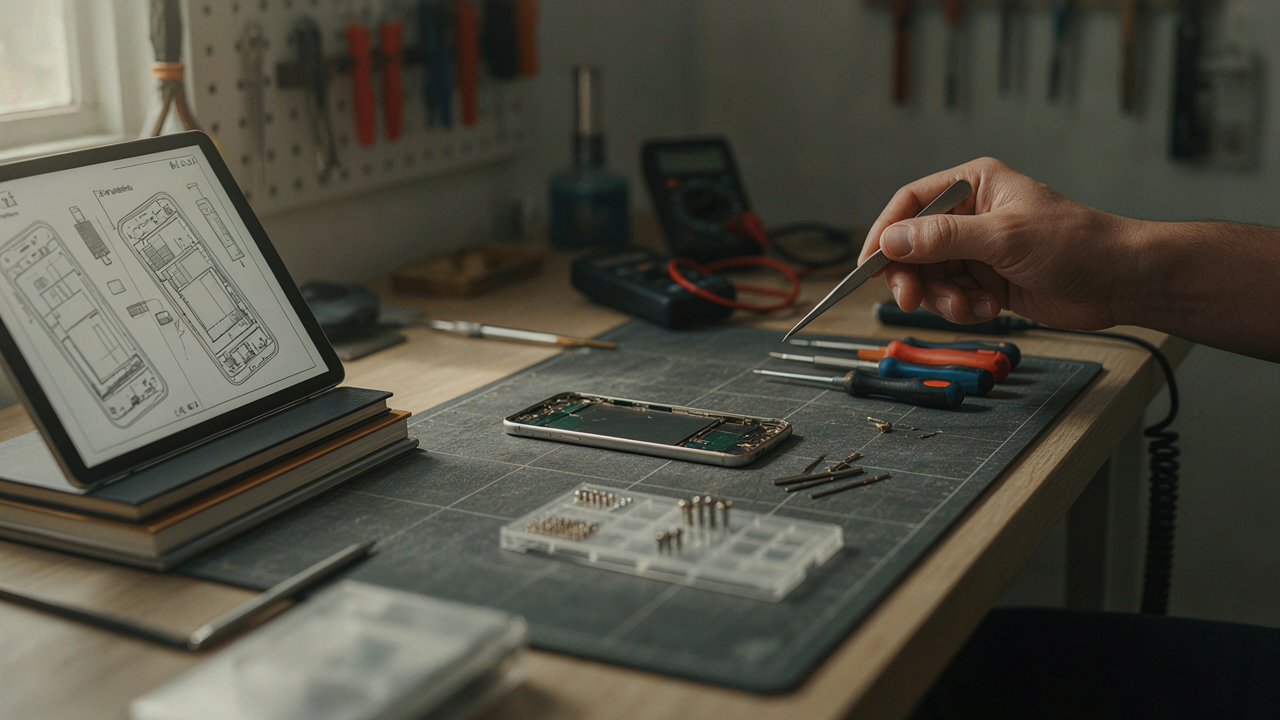
Mobile and laptop repair training introduces students to the technical side of these devices. Instead of learning only from textbooks, students can gain practical exposure to components, tools, troubleshooting methods, and repair procedures.
For someone who enjoys working with electronics and solving technical problems, this type of training can provide a different career path after Plus Two.
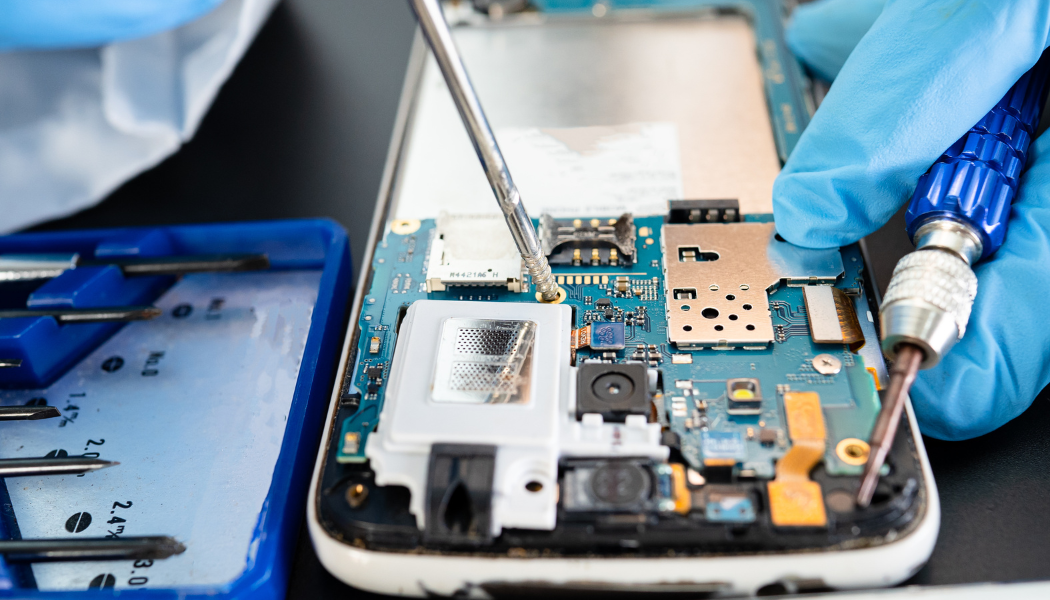
A structured mobile repair course can introduce learners to different aspects of smartphone servicing. Depending on the training programme, students may learn about:
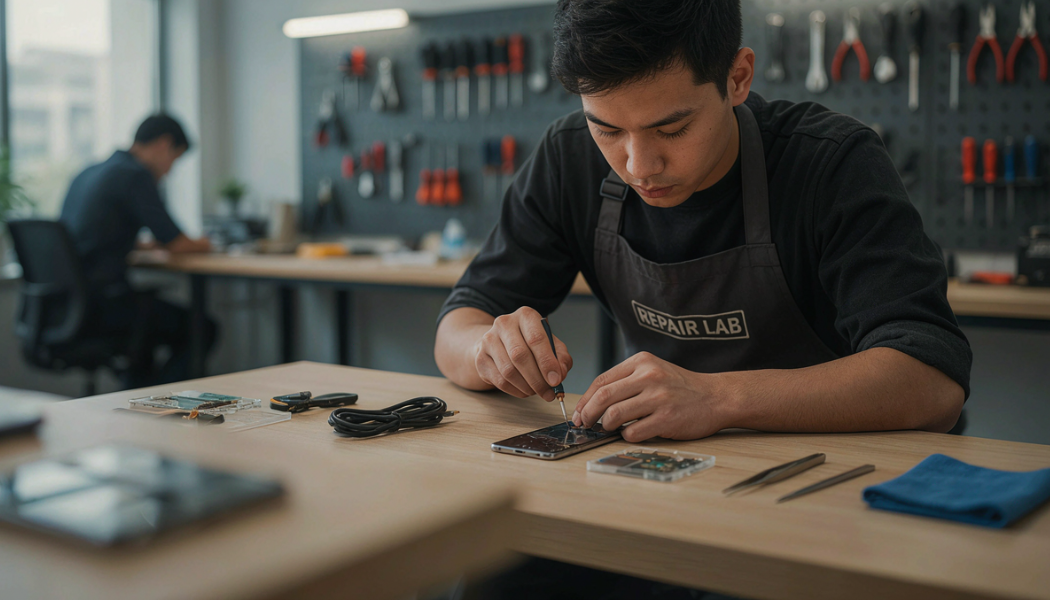
Practical sessions are particularly important because repair work requires careful handling and systematic diagnosis.
Laptops contain multiple hardware and electronic components that require proper diagnosis when a problem occurs. Laptop repair training can help students understand the structure of these devices and develop troubleshooting skills.
Topics may include:
Learning both mobile and laptop repair can give students exposure to two widely used categories of personal technology.
One of the important aspects of technical training is the opportunity to practise what is learned. Students may understand the theory behind a component, but repairing an actual device requires additional skills.
Practical training can help learners develop:
These skills can be developed gradually through repeated practice and supervised learning.
Mobile and laptop repair training may be suitable for students who:
Students do not necessarily need to be advanced electronics experts before beginning. A structured course can introduce fundamental concepts before progressing to more practical topics.
After completing relevant training and gaining sufficient practical experience, learners can explore different types of opportunities within the device repair and service industry.
Possible career directions can include:
Actual opportunities can vary depending on experience, technical ability, location, and employer requirements.
Technical training does not always have to lead directly to a conventional job. With sufficient practical experience and an understanding of repair work, some trained technicians may consider starting their own service business.
A future repair business could potentially provide services such as smartphone troubleshooting, laptop servicing, hardware replacement, software support, and other electronic-device maintenance.
However, starting a business requires more than technical knowledge. Students should also learn about customer service, pricing, inventory, business management, and responsible handling of customer devices.
Students should look beyond the course name when comparing training options. Before enrolling, consider the following:
Find out how much of the programme involves hands-on practice. Technical repair skills require practical exposure, so this can be an important consideration.
Review the topics covered in the programme. A good syllabus should provide a progression from basic concepts to more advanced troubleshooting and repair techniques.
Repair training should give learners an opportunity to become familiar with commonly used tools and testing equipment.
A suitable training environment can make it easier for students to practise technical procedures and ask questions during the learning process.
Compare the duration and schedule with your learning goals. A course should provide enough time to understand the fundamentals and practise relevant skills.
Students should also think about their longer-term plans. Depending on their interests, they may want to pursue employment, gain additional experience, or eventually explore self-employment.
Not every student has the same career interests. Some prefer academic education, while others learn better through practical activities. Skill-based technical training can be an alternative for students who want to develop a specific ability and enter a technical field.
Mobile and laptop repair is closely connected with everyday technology, making it an area that can offer learners practical knowledge that can be developed further through experience.
Choosing a course after Plus Two is an important decision, and students should take time to understand what they will learn, how they will learn it, and where the skills can be applied.
For students interested in electronics and technology, Mobile & Laptop Repair Training in Kasaragod can provide a structured way to learn about smartphone and laptop servicing while developing practical troubleshooting skills.
At Magnus Innovative, students can explore technical training designed around practical learning and industry-relevant skills. The right training can be a starting point for building knowledge, gaining experience, and planning a career in the technology service sector.
If you have completed Plus Two and are looking for a practical career-oriented course in Kasaragod, exploring mobile and laptop repair training can be one option worth considering.
 Magnus Forum