A smartphone that refuses to turn on may appear to have a simple problem. However, the underlying fault could involve the battery, charging circuit, power supply section, motherboard, or another hardware component.
For mobile repair technicians, identifying the actual fault is more important than replacing parts based on guesswork. This is where chip-level diagnosis and systematic troubleshooting become essential.
In this case study, we explore a typical smartphone power failure scenario to understand how a technician can approach the diagnosis step by step.
A smartphone is brought in for inspection with the following symptoms:
At this stage, the technician cannot conclude that the motherboard is faulty. Several possible causes could produce similar symptoms.
The first step is to perform a systematic inspection rather than immediately replacing a component.
The technician begins with basic checks to understand the device's condition.
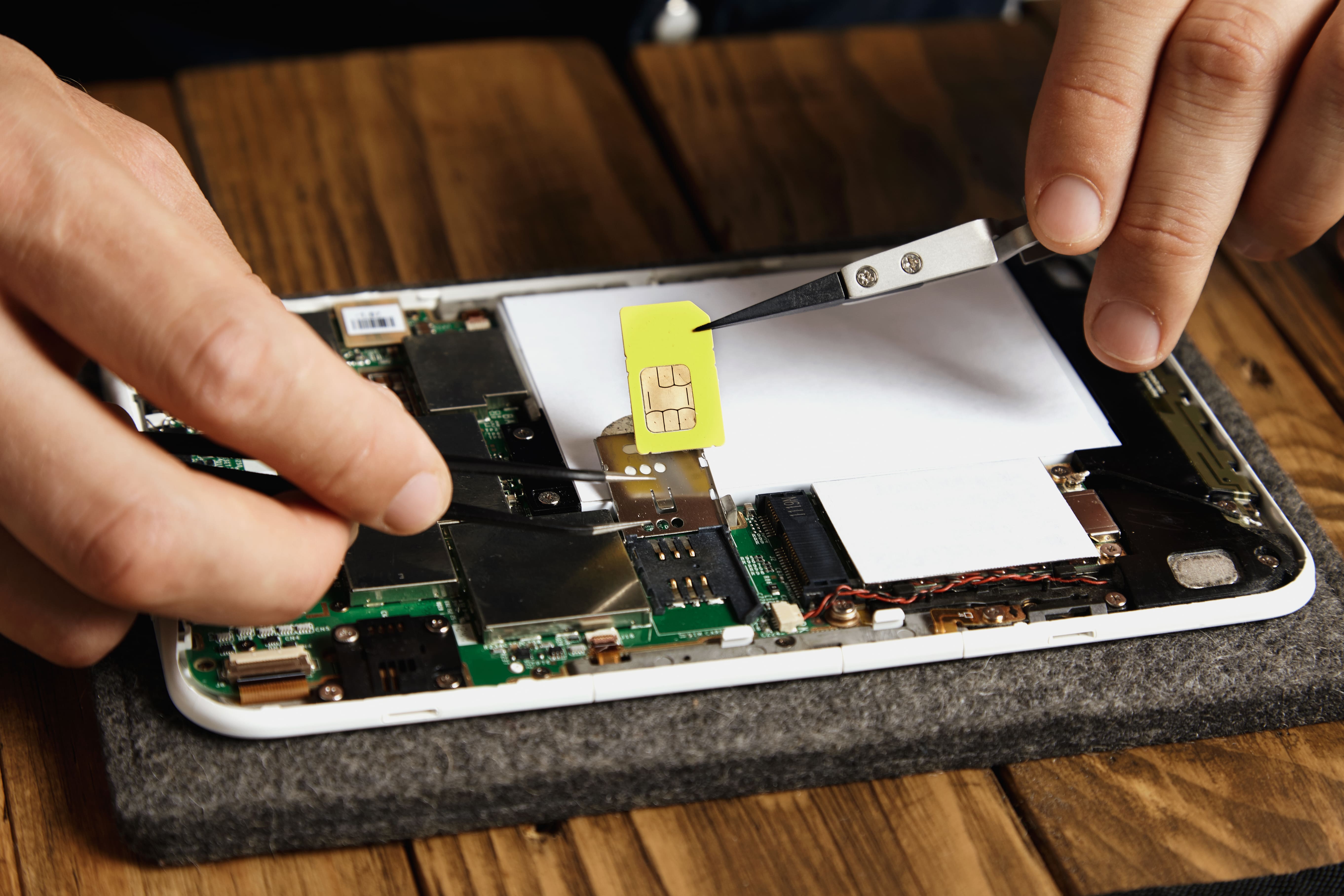
The phone is checked for signs of physical damage, liquid exposure, damaged charging ports, unusual heating and previous repair work.
The battery and its connections are examined to rule out obvious power-related issues.
The charging path is checked to determine whether the device is receiving power as expected.
If the basic checks do not identify the issue, further diagnosis of the motherboard and relevant power circuits may be required.
Each step helps narrow down the possible causes instead of relying on assumptions.
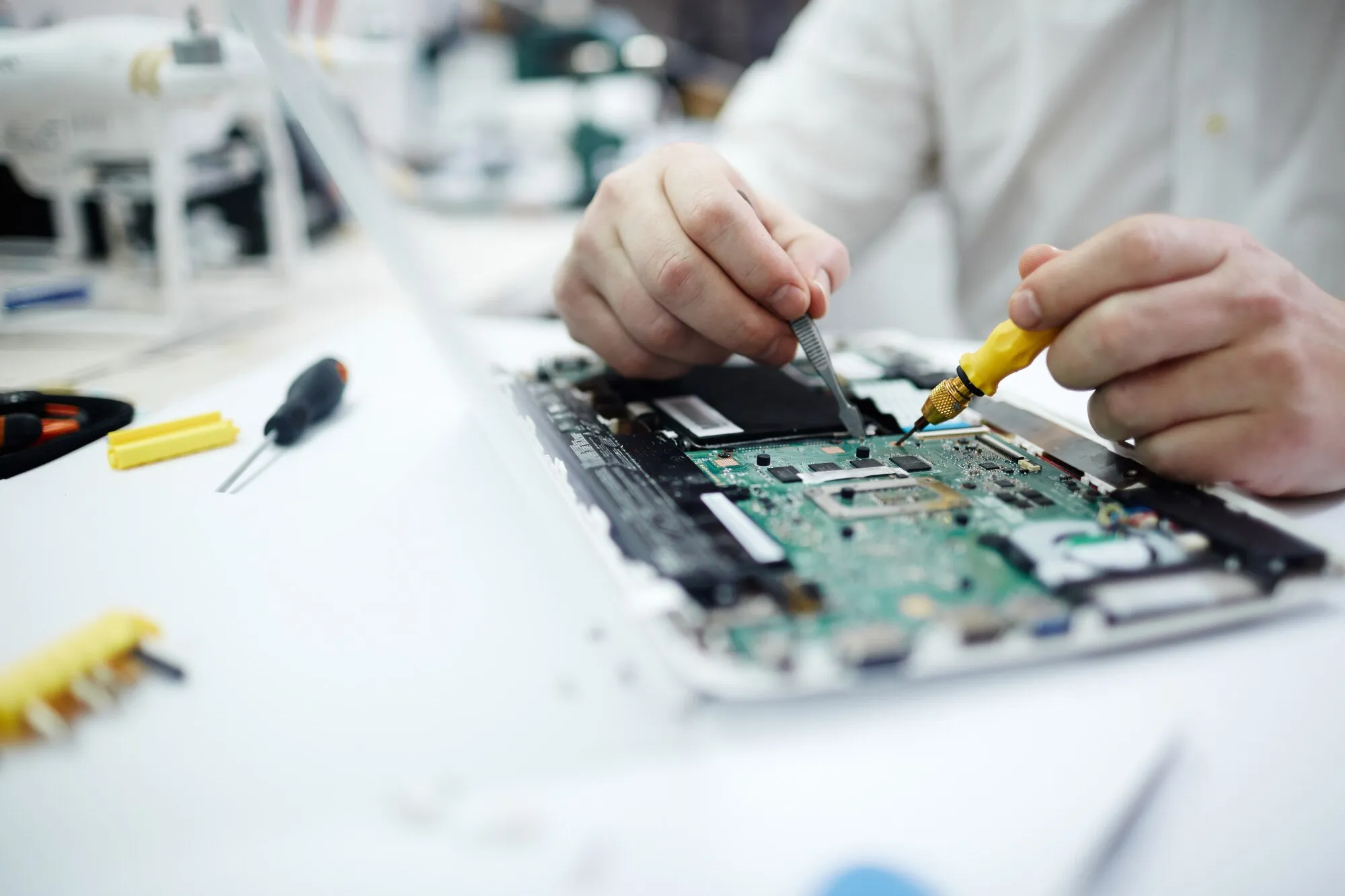
Board-level faults may not be visible during an external inspection. A smartphone motherboard contains multiple circuits and components responsible for power distribution, charging, processing and communication.
A technician trained in chip-level diagnosis learns to investigate these faults using appropriate tools and measurements.
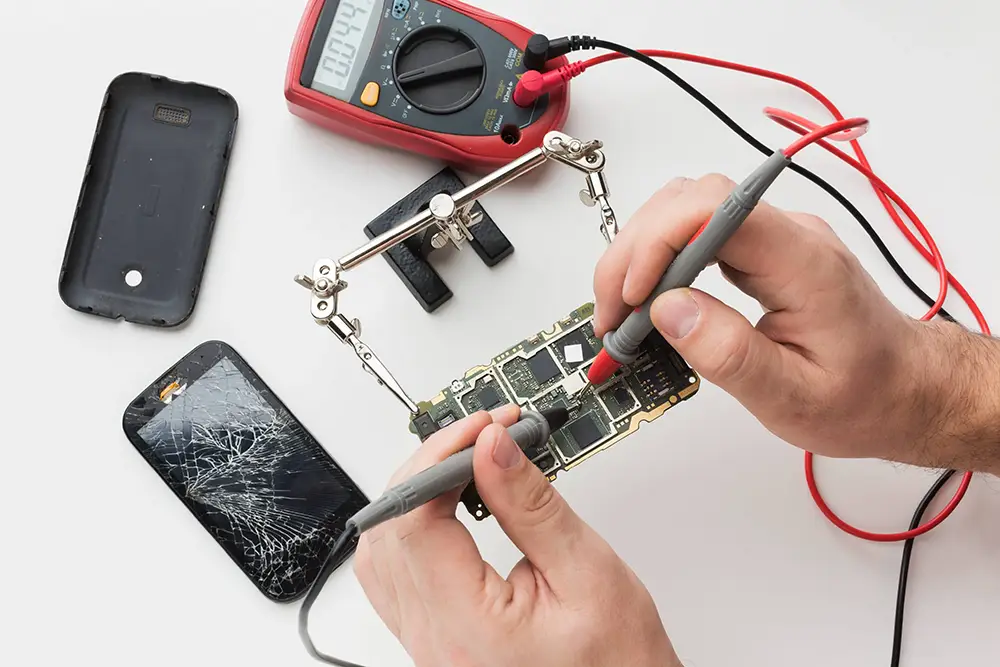
Depending on the device and symptoms, the diagnostic process may involve:
The goal is to identify the fault as accurately as possible before attempting a repair.
Once the technician identifies the faulty section, they determine whether the issue can be resolved through component-level repair.
The repair process may include inspecting the affected area, checking surrounding components, removing a damaged component when confirmed, replacing it using appropriate techniques and performing follow-up testing.
The device should not be considered repaired simply because it powers on. Additional checks are needed to confirm its stability and functionality.
After the repair attempt, the technician verifies the phone's operation.
The testing process may include:
Proper post-repair testing helps ensure the repair has addressed the problem rather than only temporarily changing the symptom.
A repair case like this demonstrates why mobile repair training requires more than memorising component names or learning basic replacements.
Students need to understand:
These are important skills for anyone interested in developing a career in smartphone hardware repair.
Mobile phone repair training can provide learners with opportunities to practise troubleshooting and hardware diagnosis on repair boards and devices.
Practical exposure to tools, circuit analysis, soldering techniques and fault identification helps learners understand how repair work is performed in real situations.
At Magnus Institute of Technology, students interested in smartphone and chip-level repair training can explore the available course programmes and practical training facilities to understand which programme suits their learning goals.
A smartphone may fail to power on due to battery problems, charging faults, motherboard issues, damaged components or other hardware and software faults. Proper diagnosis is needed to identify the cause.
Chip-level mobile repairing involves diagnosing and repairing faults at the circuit-board component level, rather than only replacing larger modules or assemblies.
Technicians may use digital multimeters, DC power supplies, microscopes, soldering stations, hot-air rework equipment and other diagnostic tools depending on the fault.
It requires patience, practical training, an understanding of electronic circuits, measurement skills and consistent practice. Beginners can build these skills progressively through structured training.
Practical experience helps learners apply theoretical knowledge, identify faults, use repair equipment safely and build confidence with different repair scenarios.
A smartphone that will not power on can have several possible causes. Effective repair begins with systematic troubleshooting, accurate measurements and a clear understanding of the device's circuits.
Chip-level diagnosis helps technicians move beyond guesswork and develop a structured approach to motherboard repair. For students interested in mobile hardware repair, learning these diagnostic methods is an important step toward developing practical technical skills.
Explore mobile and smartphone repair training programmes at Magnus Institute of Technology to learn more about developing hands-on repair knowledge and technical skills.
Interested in learning smartphone motherboard repair and chip-level troubleshooting?
Explore Magnus's mobile repairing courses and training programmes
 Magnus Forum