Completing Plus Two is an important stage in a student's education. It is also a time when many students start thinking seriously about their future. While traditional degree programs remain a popular choice, they are not the only route to building a career.
For students in Kannur who prefer practical learning, skill-based education can provide another way to prepare for employment and self-employment. Technical training, digital skills, healthcare-related courses, design, hospitality, and other career-focused fields can help students develop abilities that are useful in the workplace.
The right choice depends on a student's interests, strengths, career goals, and willingness to develop practical skills.
Academic qualifications can provide a strong foundation, but many careers also require hands-on abilities. Practical courses allow students to spend more time learning how things work and applying that knowledge through exercises and real-world tasks.
Skill-focused education can be particularly useful for students who:
Rather than choosing a course only because it is popular, students should consider whether the skills taught match their interests and long-term plans.
Technology has become part of almost every industry, creating demand for people with different types of technical skills. Students interested in electronics, computers, smartphones, or troubleshooting can explore technical training after Plus Two.
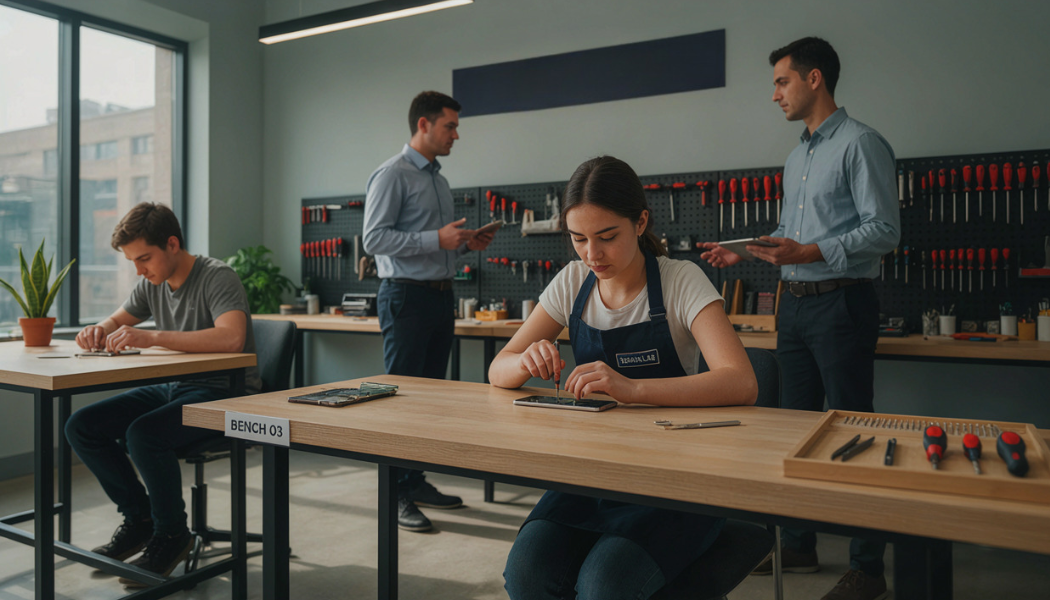
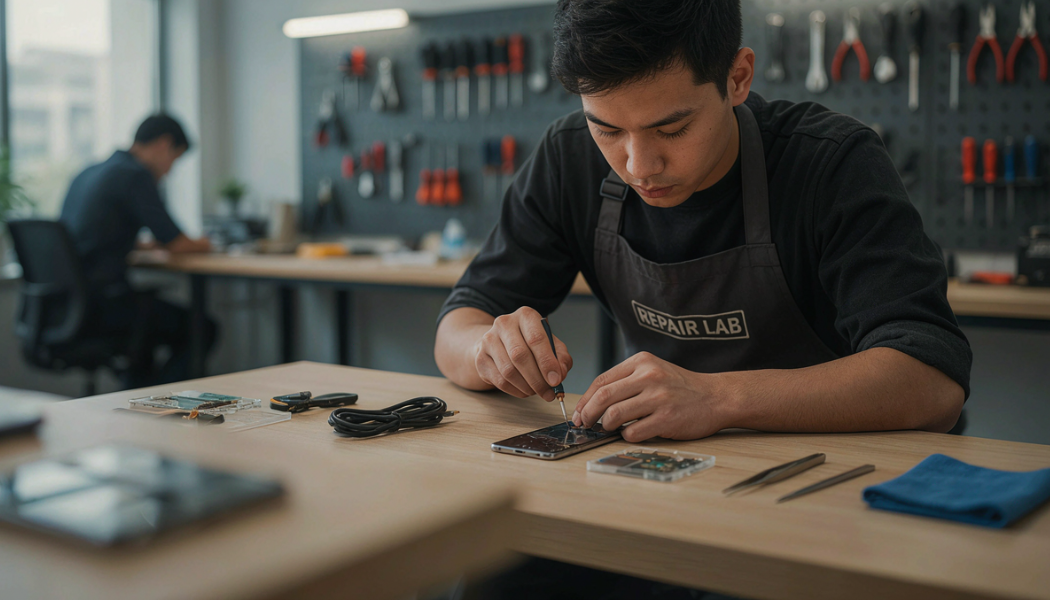
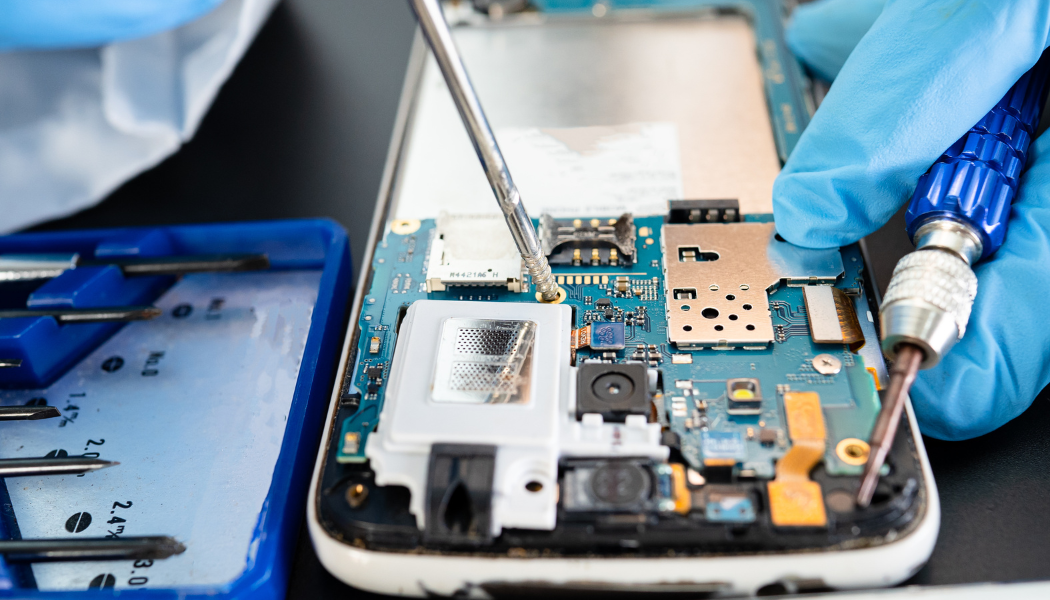
One example is mobile and laptop repair training. Smartphones and laptops are widely used for communication, education, business, entertainment, and everyday activities. Learning how these devices function can introduce students to areas such as hardware components, diagnostics, software-related issues, troubleshooting, and repair techniques.
A student who enjoys understanding devices and solving technical problems may find this type of learning particularly interesting.
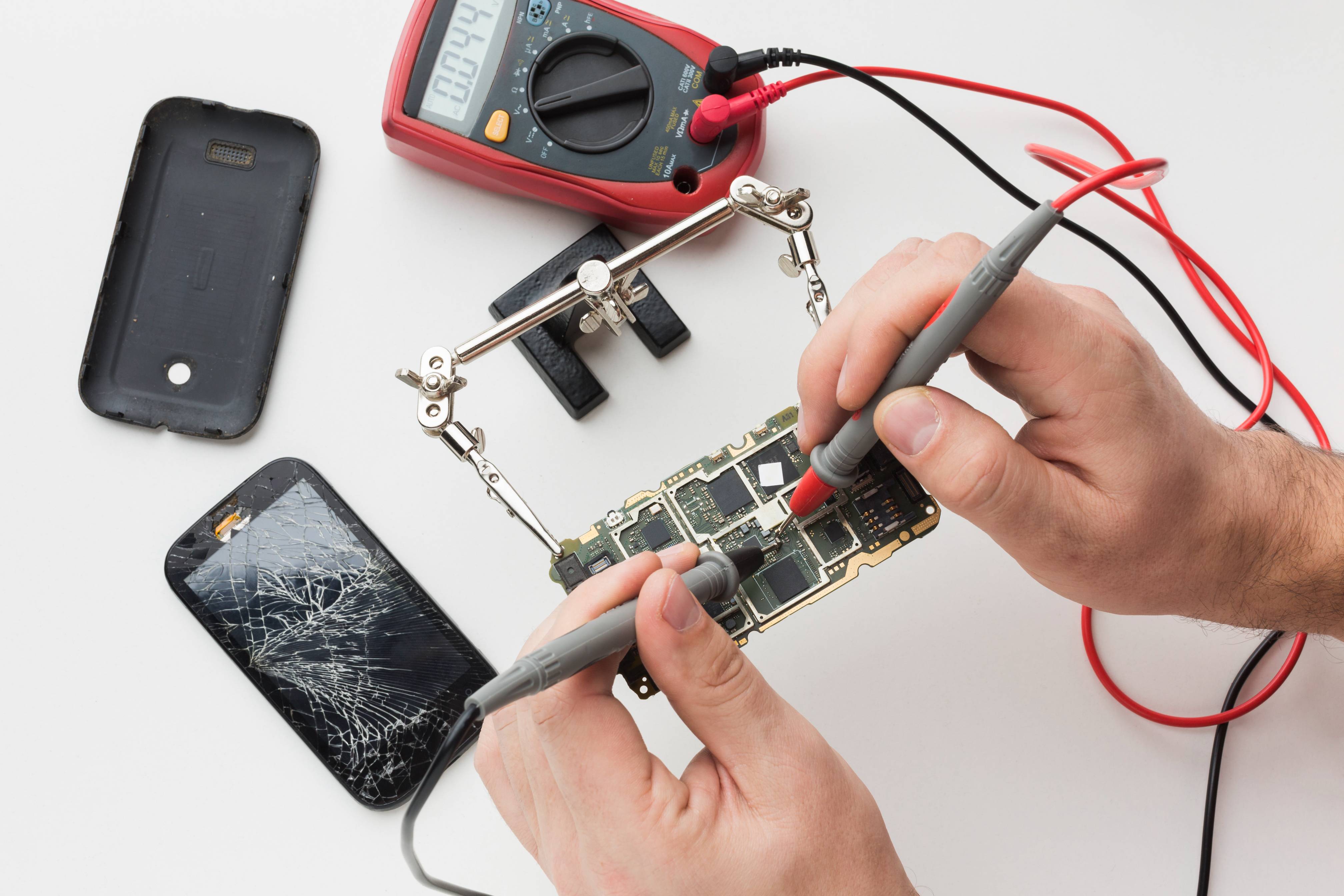
Mobile and laptop repair combines technical knowledge with hands-on practice. Beginners can gradually learn about components, common faults, diagnostic methods, repair tools, and troubleshooting procedures.
Training in this area may also help students understand different aspects of device servicing, including:
The goal of training should not simply be to memorize repair procedures. Students can benefit more when they understand why a particular problem occurs and how to identify its underlying cause.
Mobile and laptop repair is only one option. Students in Kannur can explore several other skill-based areas depending on their interests.
Students interested in computers can explore areas such as web development, graphic design, digital marketing, networking, and other technology-related skills.
These fields can provide opportunities across different industries because businesses increasingly depend on digital tools and online platforms.
Students who enjoy working with electrical systems or electronic equipment can explore technical training related to electrical work, electronics, equipment maintenance, and related areas.
These fields often require practical understanding and careful application of technical procedures.
Automobile-related training can be suitable for students who are interested in vehicles and mechanical systems. Courses may introduce learners to vehicle maintenance, diagnostics, servicing, and related technical skills.
Students with an interest in creativity can explore graphic design, photography, video editing, animation, and other visual fields. These skills can be developed through practice and portfolio building.
Hospitality, food service, travel, and related industries offer another group of career options. Students who enjoy communication and working with people may find these areas worth exploring.
There is no single course that is right for every student. Before enrolling, it is useful to consider several factors.
Think about the activities you naturally enjoy. If you like taking apart gadgets, solving technical problems, or understanding how devices work, a technical course may be worth exploring.
Find out how much of the course involves hands-on learning. Practical experience can be particularly important for technical careers.
Review the curriculum carefully. A good course should clearly explain what students will learn and what practical abilities they are expected to develop.
Some students may want employment, while others may eventually want to work independently or start a small business. Think about how the course could fit into your longer-term plans.
For practical courses, the learning environment matters. Access to relevant tools, equipment, practice sessions, and experienced instructors can make the learning process more useful.
A career should not be selected only on the basis of getting an initial job. Consider whether the skill can be developed further and whether there are opportunities to learn advanced techniques later.
One of the biggest differences between theoretical learning and practical training is the opportunity to apply knowledge.
For example, a student learning mobile and laptop repair may understand what a particular component does. However, identifying that component on an actual device, diagnosing a fault, selecting the right testing method, and carrying out a repair requires practice.
Hands-on learning can help students develop:
These abilities can become valuable as students progress from beginner-level learning to more advanced technical work.
Students do not necessarily have to decide their entire career immediately after Plus Two. A practical approach is to choose a field that interests them, learn the fundamentals, gain hands-on experience, and gradually build advanced skills.
For example, someone interested in mobile and laptop technology might begin with basic hardware knowledge, progress to diagnostics and repair, and later explore more advanced areas of electronics and device servicing.
Continuous learning is especially important in technology-related fields because devices, components, software, and repair methods continue to change.
Students in Kannur have access to different educational and training opportunities across technical and non-technical fields. The growing use of smartphones, computers, digital services, and technology in everyday life also makes technical skills relevant to many modern career paths.
Instead of selecting a course based only on its name, students can focus on what they will actually learn and how those skills can be applied.
For students who enjoy practical work, a skill-based course can be an opportunity to turn an interest into a structured learning path.
Choosing a career after Plus Two is an important decision, but students do not need to follow the same path as everyone else. Degree programs, professional courses, vocational training, and technical education can all lead to different career possibilities.
For students in Kannur who prefer hands-on learning, technical fields such as mobile and laptop repair can be worth exploring alongside other practical career options.
The most useful starting point is to understand your interests, research the available courses, examine the practical training involved, and choose a learning path that supports your long-term goals.
At Magnus Innovative, students interested in developing practical technical skills can explore training opportunities designed to build knowledge through structured learning and hands-on practice.
 Magnus Forum