Foldable and flip smartphones have introduced a new generation of mobile technology. Unlike conventional smartphones, these devices combine flexible displays, folding mechanisms, specialized connectors, compact internal components, and complex motherboard designs. As a result, repairing them requires technicians to understand more than standard smartphone servicing.
For anyone planning to build advanced technical skills, foldable smartphone repair training can provide an opportunity to understand the specialized components and diagnostic techniques used with these devices. A structured program can help technicians develop the precision, patience, and troubleshooting skills needed to work with modern smartphones.
The first step in learning foldable phone repair is understanding how these devices differ from conventional smartphones.
Foldable and flip models may include components such as:
Understanding how these components interact is important before attempting any repair. A technician needs to identify the source of a problem rather than immediately replacing a component.
Diagnosis is one of the most important skills for a professional smartphone technician.
A foldable phone may show symptoms such as display flickering, touch problems, charging issues, unexpected shutdowns, or connectivity faults. The visible symptom does not always indicate the exact component causing the problem.
Technicians therefore need to develop a systematic approach to diagnosis. This can include visual inspection, testing components, checking connections, examining circuit paths, and using appropriate measuring equipment.
Flexible displays require careful handling because they are constructed differently from conventional rigid smartphone screens.
During training, technicians can learn about display construction, connectors, flex cables, and safe handling procedures. Understanding these components helps reduce the risk of unnecessary damage during disassembly and repair.
Precision is particularly important when working around delicate display assemblies.
Flex cables play an important role in foldable devices because components on different sections of the phone need to communicate while the device opens and closes.
A technician should understand how to inspect flex cables and connectors for visible damage, loose connections, corrosion, or other faults. Learning how these connections function can also help technicians trace problems more systematically.
The hinge is one of the defining features of a foldable smartphone. It allows the device to open and close while protecting and positioning internal components.
Repair training can introduce technicians to the relationship between the hinge mechanism and nearby components. Understanding the structure of a particular device is important before attempting disassembly, because excessive force or incorrect handling can affect sensitive internal parts.
Advanced smartphone repair often requires working with extremely small components. Foldable devices can make precision even more important because of their compact internal construction.
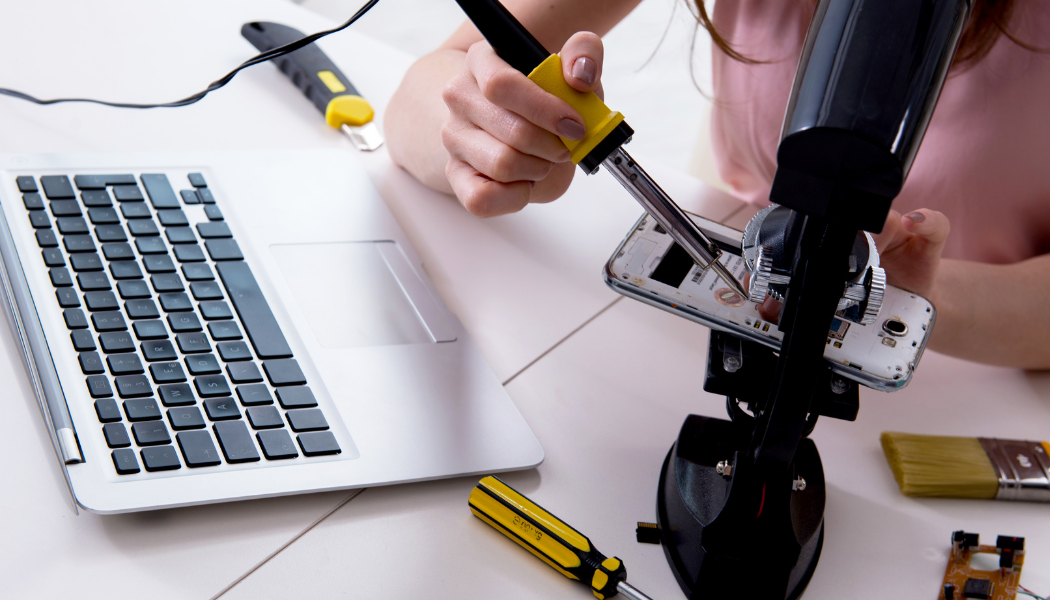
Micro-soldering skills can help technicians work with small components, connectors, and circuit-board sections. Students need to learn how to control heat, handle tools accurately, and avoid damaging surrounding components.
Practical training is particularly useful for developing this type of precision because these techniques require repeated hands-on practice.
Modern smartphones rely heavily on complex motherboards. When a problem cannot be resolved through basic component replacement, technicians may need to investigate the board itself.
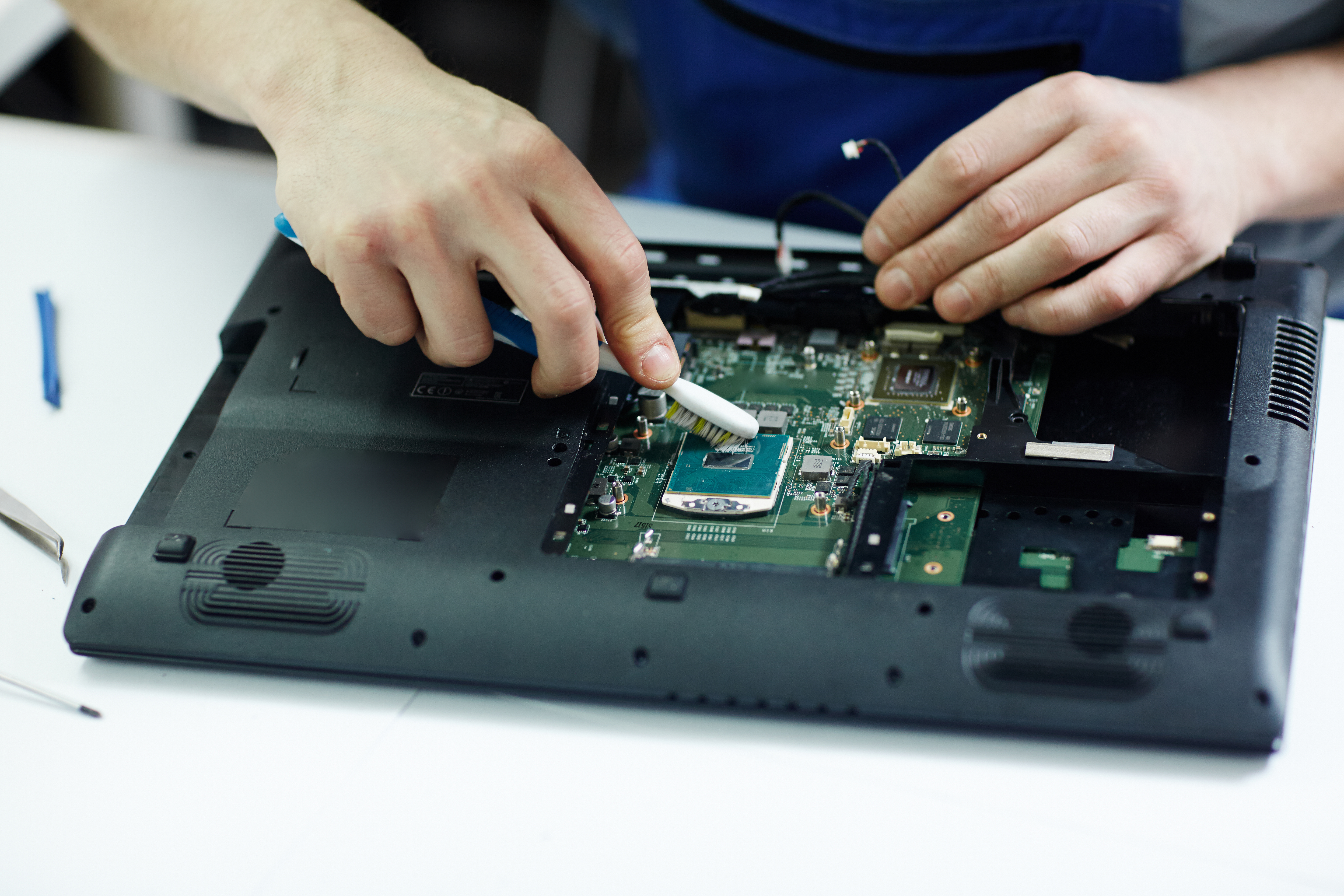
Motherboard-level troubleshooting can involve understanding circuit paths, components, ICs, power sections, signal lines, and connections. These fundamentals form an important part of advanced smartphone chip-level engineering.
Magnus Innovative's published training information highlights smartphone architecture, component repair, fault diagnosis, and advanced service techniques as areas of technical learning.
A professional technician should know how to use testing equipment correctly.
Depending on the training curriculum, students may work with tools such as:
The objective is not simply to learn how each tool works but to understand when and why it should be used during diagnosis.
Not every smartphone problem is caused by damaged hardware.
Foldable devices can also experience software-related problems, system errors, firmware issues, update failures, or boot-related problems. A technician therefore benefits from understanding both hardware and software troubleshooting.
Knowing how to distinguish between software and hardware symptoms can prevent unnecessary component replacement.
Disassembly is an essential technical skill, particularly for complex smartphones.
Technicians need to understand the correct sequence for opening a device, disconnecting components, protecting sensitive parts, and reassembling the phone correctly.
Foldable phones can require additional care because of their flexible displays, hinge mechanisms, and internal connections. Training with real devices can help students develop better hand control and repair discipline.
A skilled technician does more than replace damaged parts. They investigate why the device is malfunctioning.
Problem-solving involves observing symptoms, forming possible explanations, performing appropriate tests, and using the results to identify the actual fault.
This analytical approach is especially valuable when dealing with complicated motherboard or intermittent faults.
Reading about foldable smartphone technology can provide theoretical knowledge, but repair skills develop through practice.
Hands-on training allows learners to become familiar with real components, repair tools, circuit boards, and diagnostic situations. Magnus Innovative emphasizes practical learning through its mobile and laptop repair programs, including hands-on exposure to repair tools and real devices.
For advanced repair techniques such as micro-soldering and motherboard troubleshooting, repeated practical work can help learners improve accuracy and confidence.
Smartphone technology continues to evolve, and foldable devices represent one of the major changes in smartphone design. Technicians who want to work with newer devices need to continuously update their technical knowledge.
Learning about flexible displays, hinges, flex connections, motherboard architecture, precision soldering, and advanced diagnosis can provide a broader foundation for modern smartphone repair.
For students interested in developing advanced smartphone repair skills, Magnus Innovative, Mobile Repair Training Institute Kerala offers programs focused on Smartphone Chip-Level Engineering and Smartphone + Laptop Chip-Level Engineering. Its training approach combines technical concepts with practical skill development.
Learning advanced smartphone repair is not only about knowing how to replace components. It involves understanding electronic systems, diagnosing faults accurately, handling delicate components, and developing the precision required for professional repair work.
Foldable smartphone repair requires a combination of electronics knowledge, hardware diagnosis, precision handling, micro-soldering, motherboard troubleshooting, and software understanding. As smartphone designs become more sophisticated, technicians need to continuously develop their technical abilities.
A structured foldable smartphone repair training program can help learners build the foundation needed to understand these technologies and progress toward advanced smartphone repair skills. With consistent hands-on practice and a strong understanding of electronics, aspiring technicians can prepare themselves to work with the increasingly complex devices of today's smartphone industry.
 Magnus Forum