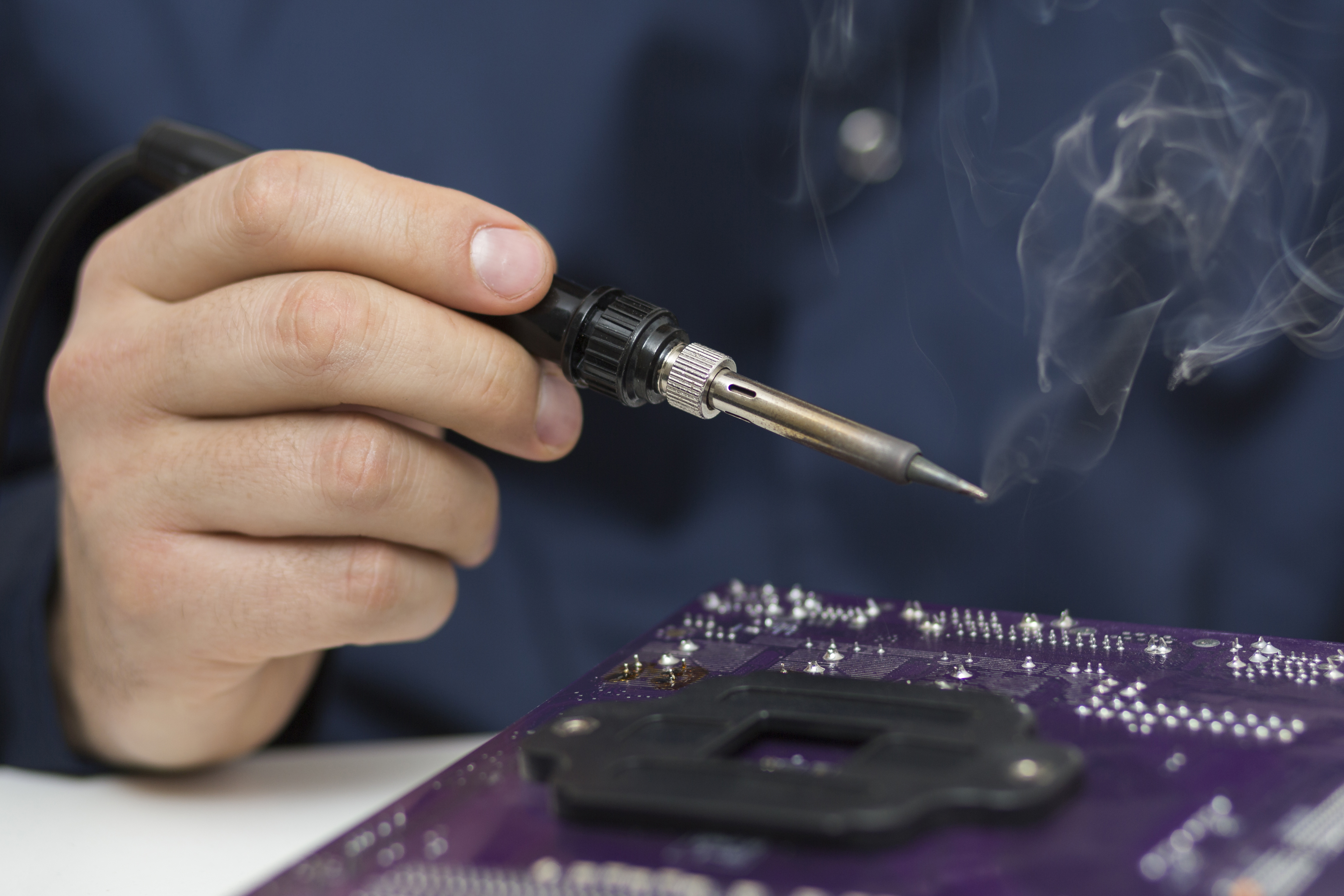
One tiny component can shut down an entire smartphone. One precise repair can bring it back to life.
As smartphones, tablets, and other electronic devices become thinner and more powerful, their internal components are becoming incredibly small and complex. Traditional soldering methods are often not enough to repair these delicate circuits. This is where microsoldering becomes an essential skill for modern mobile phone technicians.
For aspiring technicians looking to build a career in advanced mobile repair, learning microsoldering can open the door to high-value repair opportunities. Magnus Institute of Technology focuses on practical, industry-oriented technical training that helps students understand modern smartphone repair techniques.
Microsoldering is a specialized electronic repair technique used to repair, replace, or reconnect extremely small components on a circuit board.
Unlike conventional soldering, microsoldering requires exceptional precision because technicians may work with components and connections that are smaller than a grain of rice. A small mistake can damage a circuit board, while accurate soldering can restore a device that might otherwise be considered beyond repair.
Microsoldering is commonly used for repairing:
Modern smartphones contain highly integrated circuit boards packed with tiny electronic components. When a phone suffers from physical damage, liquid exposure, overheating, or component failure, replacing the entire motherboard can be extremely expensive.
Microsoldering provides another solution.
Instead of replacing an entire board, a skilled technician can identify the faulty component and repair or replace only the damaged part. This can reduce repair costs, extend device life, and prevent unnecessary electronic waste.
For example, a smartphone with a damaged charging circuit may not require a complete motherboard replacement. With the right diagnostic skills and microsoldering equipment, a technician may be able to repair the affected circuitry.
Microsoldering combines technical knowledge, precision tools, magnification, and steady hand control.
A typical repair begins with diagnosis. The technician examines the motherboard and identifies the faulty component or damaged connection. A stereo microscope or high-magnification inspection system is then used to clearly view the microscopic components.
Depending on the repair, the technician may:
This process demands patience and precision. Microsoldering is not simply about heating solder—it is about understanding circuits and controlling heat, pressure, and placement accurately.
A professional microsoldering workstation typically includes specialized equipment such as:
Stereo Microscope
A quality microscope allows technicians to clearly see tiny components, solder joints, PCB traces, and microscopic damage.
Precision Soldering Iron
Fine soldering tips allow technicians to work accurately on small components without unnecessarily heating surrounding areas.
Hot Air Rework Station
Hot air is useful for removing and installing certain surface-mounted components and ICs with controlled heat.
Fine ESD-safe tweezers help technicians safely position and remove tiny electronic components.
ESD Protection
Electrostatic discharge can damage sensitive electronic components. ESD-safe workbenches, mats, wrist straps, and appropriate tools help protect circuit boards during repair.
Inspection & Testing Equipment
Magnification and testing equipment help technicians identify faults and verify whether a repair has been completed successfully.
One of the biggest advantages of microsoldering is its ability to address problems that ordinary repair techniques cannot easily solve.
It can be used for:
Charging Problems: Damaged charging connectors and related circuitry can sometimes be repaired at board level.
Broken PCB Traces: Damaged conductive pathways can be carefully restored using specialized techniques.
IC Problems: Certain damaged or faulty integrated circuits can be removed and replaced.
Water Damage: Corrosion can affect microscopic connections. Microsoldering can help restore damaged areas after proper cleaning and diagnosis.
Connector Damage: FPC and other board-level connectors can require precise removal and replacement.
Advanced Board Repair: More experienced technicians can work on complex motherboard-level faults, including memory and communication-related circuits.
1. Higher-Level Repair Skills
Microsoldering takes a technician beyond basic screen, battery, and charging-port replacement into advanced motherboard repair.
2. Better Career Opportunities
As smartphones become more sophisticated, skilled board-level technicians can become valuable to repair centers, service businesses, and electronics companies.
Repairing a damaged motherboard instead of replacing an entire device can extend the product's usable life and reduce unnecessary electronic waste.
4. Build Your Own Repair Business
Advanced repair skills can help technicians offer specialized services that are not available at every ordinary mobile repair shop.
5. Solve Difficult Repair Problems
Microsoldering enables technicians to investigate and repair faults that may otherwise result in a device being declared unrepairable.
What Makes Microsoldering Challenging?
Microsoldering requires more than expensive equipment.
A technician needs patience, hand-eye coordination, circuit knowledge, component identification skills, heat control, and extensive practical practice.
Using excessive heat can damage nearby components. Applying too much mechanical pressure can lift PCB pads or traces. Poor ESD protection can damage sensitive electronics. Even a tiny solder bridge can create a short circuit.
That is why proper training and supervised hands-on practice are so important.
For students interested in building a career in the mobile phone repair industry, learning modern board-level repair techniques can be a major advantage.
At Magnus Institute of Technology, students can develop practical knowledge related to smartphone technology and repair while gaining exposure to the tools and techniques used in modern electronics servicing.
From understanding smartphone components to developing advanced repair abilities, the right training can help transform an interest in technology into a practical career skill.
Start Your Journey into Advanced Mobile Repair
The future of mobile repair is moving beyond simple part replacement. As smartphones become more compact and sophisticated, board-level repair and microsoldering skills are becoming increasingly valuable.
If you are passionate about technology and want to develop advanced mobile repair skills, microsoldering is a powerful skill to add to your technical toolkit.
Learn the technology. Master the precision. Build your future in mobile phone repair with Magnus Institute of Technology.
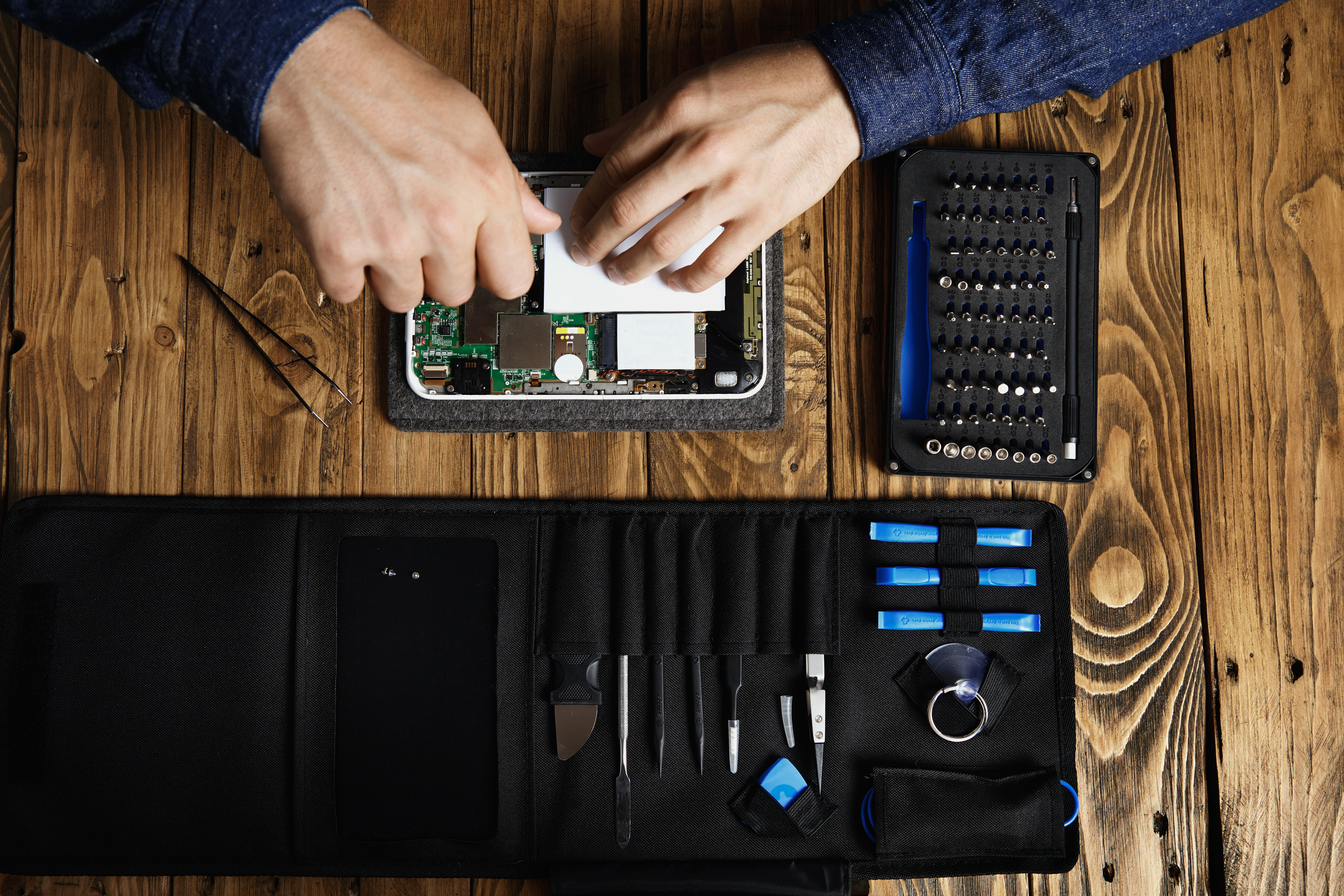
The mobile phone has become an essential part of everyday life. From communication and education to banking and business, people depend on smartphones for almost everything. With millions of smartphones in use across Kerala, the demand for skilled mobile technicians is continuously growing.
For students and young people looking for a practical career, starting a mobile repairing business in Kerala can be an attractive opportunity. With the right technical training, practical experience, proper tools, and business planning, you can turn a technical skill into your own source of income.
Smartphones are constantly exposed to problems such as broken displays, battery failures, charging issues, water damage, software errors, and motherboard faults. Instead of replacing a device every time it develops a problem, many customers prefer professional repair services.
This creates opportunities for skilled technicians who can provide reliable and affordable solutions.
The growing use of smartphones, increasing repair costs, and demand for local service centers make mobile repairing a promising skill-based career option.
The first and most important step is to develop strong technical knowledge.
Mobile repairing is much more than changing a screen or battery. A professional technician should understand:
At Magnus Institute of Technology, students receive practical, skill-focused training designed to help them understand real-world mobile and laptop repair techniques.
Practical training is especially important because technicians need to work with actual devices, tools, components, and common repair problems.
Before joining a mobile repairing course, students should carefully evaluate the institute.
Look for:
Choosing the right institute can make a major difference in how confidently you enter the repair industry.
Technical knowledge becomes valuable when you can apply it confidently.
During your training, try to work on different smartphone models and understand different types of faults. Learn how to diagnose a problem before replacing a component.
For example, if a phone is not charging, the issue may not always be the charging port. It could involve the charging IC, motherboard, battery, connector, or another circuit.
Learning proper diagnosis helps technicians avoid unnecessary part replacement and provides better service to customers.
Once you have sufficient technical knowledge and experience, you can start planning your own repair business.
Consider:
Location
Choose a location with good visibility and regular customer traffic. Areas near residential communities, colleges, shopping centers, and mobile accessory shops can offer good opportunities.
Tools and Equipment
Depending on the services you provide, you may need:
Start with essential equipment and gradually expand as your business grows.
Spare Parts
Maintain commonly required spare parts such as batteries, charging ports, connectors, displays, and other components for popular models.
Always focus on quality and reliable suppliers because the quality of your repairs directly affects customer trust.
A successful repair business is not only about technical skills. Customers should also trust your brand.
Create:
Encourage satisfied customers to leave genuine reviews. Positive customer experiences can become one of your strongest marketing tools.
Digital marketing can help a new mobile repair business reach customers quickly.
You can create content showing:
Instagram, Facebook, YouTube, Google Business Profile, and local online platforms can help increase your visibility.
You can also build relationships with mobile shops and accessory stores in your area and create referral partnerships.
The smartphone industry changes rapidly. New devices, processors, motherboard designs, cameras, displays, and software technologies are introduced regularly.
A successful technician should therefore continue learning.
Advanced training can help you move beyond basic repairs into specialized areas such as:
Continuous learning can also help you provide more specialized services and increase your earning potential.
Yes. Mobile repairing can lead to several career opportunities.
After gaining the required skills and experience, you can work as:
Some technicians also choose entrepreneurship and establish their own service centers after gaining sufficient experience.
For students who want to build a career in mobile and laptop repairing, Magnus Institute of Technology focuses on practical, industry-oriented technical education.
The training approach emphasizes hands-on learning so that students can develop the confidence to work with real devices and real technical problems.
The goal is not simply to teach students how to identify components, but to help them understand how to diagnose, repair, troubleshoot, and solve technical problems professionally.
Starting a mobile repairing business in Kerala can be a promising career path for students who are interested in technology and practical work.
However, success in this industry depends on more than simply opening a shop. Technical knowledge, hands-on experience, quality spare parts, customer service, business planning, and continuous learning are all essential.
If you are planning to enter the mobile repairing industry, start by building strong technical skills.
Learn the skill. Gain practical experience. Build your expertise. Then build your business.
Magnus Institute of Technology – Learn Mobile & Laptop Repairing Through Practical Training and Build Your Technical Career.
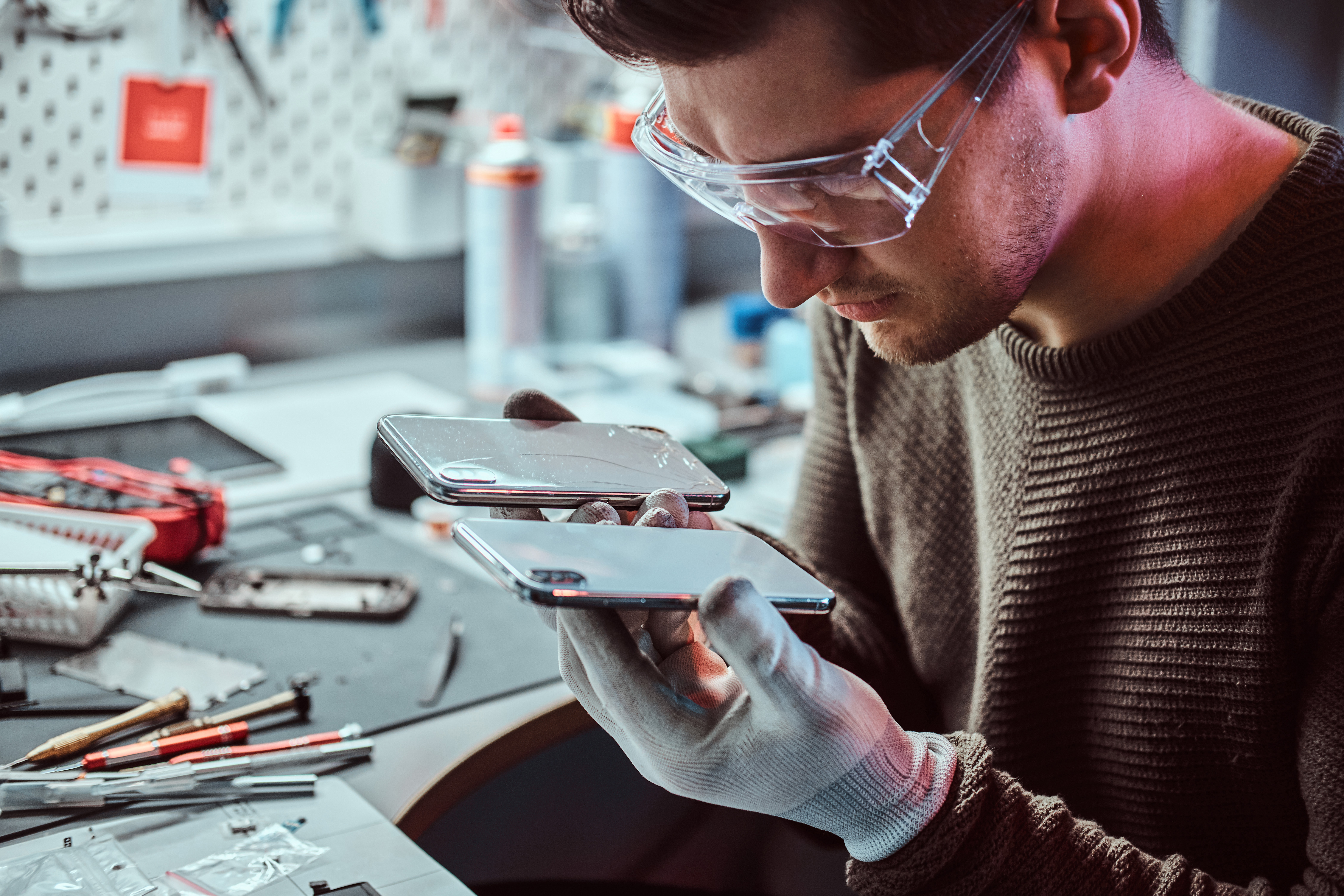
Smartphones have become an inseparable part of everyday life, and with millions of devices in use across Kerala, the demand for skilled mobile repair technicians continues to grow. If you're looking for a practical, skill-based career without spending years in a classroom, mobile repairing is an excellent career option.
For students and job seekers searching for the Best Mobile Repairing Institute in Malappuram, Magnus Institute of Technology offers practical training designed to develop professional smartphone and mobile repair skills.
Almost every household uses one or more smartphones. Cracked displays, damaged batteries, charging problems, software issues, motherboard faults, and other technical problems create a continuous demand for trained technicians.
A professional mobile repairing career offers several advantages:
For students looking for a Mobile Repairing Course After 12th in Malappuram, this field can provide an opportunity to build a practical and technology-focused career.
Choosing the right institute is important when learning mobile repairing. Magnus Institute of Technology focuses on practical training, technical knowledge, and industry-oriented learning to help students develop the skills required to work as professional technicians.
If you are searching for a Mobile Repairing Institute in Malappuram, Magnus provides a structured learning environment where students can understand mobile hardware, software, troubleshooting, and advanced repairing techniques.
1. Practical Hands-On Training
At Magnus Institute of Technology, learning goes beyond textbooks. Students receive practical exposure to smartphones and electronic components while learning how to identify and troubleshoot different types of faults.
The training covers common repairs such as:
This practical approach makes Magnus a suitable choice for students looking for a Mobile Repairing Course in Malappuram.
2. Comprehensive Mobile Repairing Curriculum
A professional technician needs knowledge of both basic and advanced mobile technology. The curriculum covers smartphone hardware, software, components, circuits, tools, and troubleshooting techniques.
Students can develop knowledge in areas such as:
Students interested in a Mobile Phone Repairing Course in Malappuram can therefore learn the fundamentals before progressing towards advanced technical skills.
3. Chip Level Mobile Repairing Training
Modern smartphones contain highly integrated electronic components and complex motherboards. Understanding these components requires specialized technical training.
The Chip Level Mobile Repairing Course in Malappuram at Magnus focuses on developing deeper technical knowledge of mobile motherboard circuits and components.
Students can learn about:
This type of technical knowledge can help students progress from basic mobile repair work to advanced technician-level skills.
4. Experienced Trainers
Good technical training requires guidance from experienced professionals. Magnus Institute of Technology provides trainer support throughout the learning process.
Students can learn not only how to perform a repair but also how to identify the reason behind a fault, select the appropriate tools, and follow proper troubleshooting procedures.
5. Modern Practical Lab
Practical exposure is an important part of technical education. Students train using repairing tools, testing equipment, and electronic components in a practical learning environment.
This helps students become familiar with the type of tools and troubleshooting processes used in professional mobile repair environments.
6. Smartphone Technician Training
Smartphones continue to evolve, making continuous technical learning important for repair professionals. Magnus provides Smartphone Technician Training in Malappuram covering essential smartphone hardware and software concepts.
Students can develop skills related to smartphone troubleshooting, component identification, hardware repairs, software issues, and advanced technical diagnosis.
The objective is to help students gain practical knowledge that can be applied in real-world repair environments.
7. Mobile Repairing Course with Placement Support
Learning a technical skill is only the first step toward building a career. Students also need guidance when entering the job market.
Magnus Institute of Technology provides career and placement support to help eligible students explore employment opportunities and understand potential career paths.
For students searching for a Mobile Repairing Course with Placement in Malappuram, the institute provides guidance focused on helping students move from technical training toward career opportunities.
8. Mobile Technician Career Opportunities
After completing professional mobile repairing training, students can explore different career options, including:
Those who gain sufficient technical experience can also consider starting their own mobile repairing business.
A mobile repairing course can be suitable for:
No advanced technical background is necessary to begin. A properly structured training program can take learners from basic concepts to advanced repairing skills.
If you are searching for the Best Mobile Repairing Institute in Malappuram, choosing an institute that combines practical training, technical education, experienced trainers, and career guidance can make a significant difference.
Magnus Institute of Technology provides professional-oriented training for students who want to develop skills in smartphone repairing, mobile hardware, software troubleshooting, and chip-level repairing.
Whether you are searching for a Mobile Repairing Course in Malappuram, a Smartphone Repairing Course in Malappuram, a Mobile Technician Course in Malappuram, or a Chip Level Mobile Repairing Course in Malappuram, Magnus Institute of Technology can be considered as an option for building practical technical skills.
Start learning today and take your first step toward becoming a professional mobile technician.

What if you woke up tomorrow and your smartphone simply didn't exist?
No WhatsApp messages waiting to be read. No Google Maps to guide your journey. No online classes, food delivery, digital payments, social media, or instant access to information. It's difficult to imagine modern life without the tiny device that fits in our pocket.
Yet, just a few decades ago, smartphones were nothing more than an ambitious dream. What started as a simple tool for making phone calls has evolved into a powerful device that connects billions of people, fuels businesses, transforms education, captures unforgettable memories, and even brings artificial intelligence into our hands.
At Magnus Institute of Technology, we believe that every great innovation has a story worth exploring. Understanding the evolution of smartphones is more than learning about technology—it's discovering how human creativity, engineering, and continuous innovation have reshaped the way we communicate, learn, work, and live.
Join us as we travel through the remarkable history of smartphones—from their early beginnings and groundbreaking milestones to the AI-powered devices defining the future.
When we think of smartphones today, brands like Apple, Samsung, and Google often come to mind. However, the idea of a smartphone existed long before the first iPhone or Android device was introduced. The vision was simple yet revolutionary: create a single portable device that could combine the functions of a mobile phone with the capabilities of a personal computer.
The Birth of a Revolutionary Idea
During the 1980s and early 1990s, mobile phones were primarily used for voice communication. They were large, expensive, and offered very limited functionality. At the same time, Personal Digital Assistants (PDAs) were gaining popularity among business professionals for managing schedules, contacts, and notes. These two technologies evolved separately, but engineers soon realized they could be combined into one intelligent device.
This vision marked the beginning of the smartphone era—a device capable of communication, organization, and computing in a compact, handheld form.
The Arrival of IBM Simon
The world's first commercially recognized smartphone was IBM Simon, developed by IBM and introduced in 1994 in partnership with BellSouth. Although it looked bulky compared to today's sleek smartphones, IBM Simon was decades ahead of its time.
Unlike ordinary mobile phones, IBM Simon combined telephone functionality with several productivity tools that were usually found only on computers or PDAs.
Features That Were Ahead of Their Time
IBM Simon introduced many features that have become standard in modern smartphones, including:
These features transformed the mobile phone from a communication tool into a portable digital assistant.
Why IBM Simon Was Revolutionary
At a time when most mobile phones could only make calls, IBM Simon introduced the concept of carrying a pocket-sized computer. It demonstrated that mobile devices could perform multiple tasks, increasing productivity and convenience.
Many ideas introduced by IBM Simon—such as touchscreen interaction, digital calendars, contact management, and mobile email—are now considered essential features of every modern smartphone.
Challenges and Limitations
Despite its groundbreaking technology, IBM Simon faced several obstacles that limited its commercial success:
These limitations meant IBM Simon appealed mainly to business users rather than the general public.
A Legacy That Changed the Future
Although IBM Simon was not a commercial blockbuster, its influence on the technology industry was profound. It proved that a single handheld device could combine communication, productivity, and computing, inspiring future innovations from companies like Nokia, BlackBerry, Palm, Apple, and Google.
Today, nearly every feature we rely on—touchscreens, digital calendars, email, notes, contacts, and mobile apps—can trace its roots back to the pioneering ideas demonstrated by IBM Simon.
The smartphone revolution didn't begin with the iPhone; it began decades earlier with visionary engineers who imagined a future where a powerful computer could fit in the palm of your hand.
Before smartphones became mainstream, several technologies laid the foundation.
Mobile Phones
Early mobile phones focused only on voice communication.
Personal Digital Assistants (PDAs)
Devices like the Palm Pilot helped users:
Although PDAs lacked cellular communication initially, they introduced the idea of carrying a digital assistant in your pocket.
During the late 1990s and early 2000s, PDAs became popular among professionals.
Manufacturers including Palm, Psion, and Microsoft developed handheld computers that improved productivity.
Features included:
Eventually, phone manufacturers integrated PDA capabilities into mobile phones, creating the first generation of smartphones.
Long before smartphones became popular worldwide, Japan was already experiencing a mobile technology revolution.
Japanese mobile phones offered features years ahead of global competitors:
These innovations demonstrated how mobile phones could become everyday digital companions rather than simple communication devices.
The 2000s marked the beginning of modern smartphones.
Major developments included:
BlackBerry
Business professionals embraced BlackBerry for secure email and physical keyboards.
Nokia Symbian
Nokia dominated the smartphone market with powerful Symbian devices offering multimedia, internet browsing, and productivity tools.
Windows Mobile
Microsoft introduced smartphones that resembled desktop computing experiences.
Apple's Game Changer
In 2007, Apple introduced the iPhone, redefining smartphone design with:
The launch changed the entire mobile industry.
Android Emerges
Google introduced Android in 2008, providing an open platform that allowed manufacturers worldwide to build smartphones at various price points.
The 2010s witnessed explosive growth.
Smartphones became faster, smarter, and more affordable.
Major improvements included:
App stores flourished, creating millions of applications for education, business, entertainment, health, and communication.
Smartphones transformed nearly every industry.
7. Camera and Video Revolution
Perhaps the most significant transformation came through smartphone cameras.
From simple VGA cameras, smartphones evolved into professional photography tools.
Modern smartphones offer:
Today, many content creators, journalists, and filmmakers rely on smartphones for professional-quality work.
The rise of platforms like YouTube, Instagram, and TikTok has been closely linked to advancements in smartphone camera technology.
Today's smartphones are powered by Artificial Intelligence and cloud technologies.
Current innovations include:
Modern smartphones are no longer just communication devices—they serve as personal assistants, learning platforms, entertainment centers, and portable offices.
The Future of Smartphones
The future promises even greater innovation.
Emerging technologies include:
The next generation of smartphones will become even more intelligent, personalized, and deeply integrated into everyday life.
Understanding smartphone evolution teaches valuable lessons about innovation:
Students pursuing careers in computer science, software development, electronics, cybersecurity, and artificial intelligence can draw inspiration from the remarkable journey of smartphones.
The smartphone's journey—from early mobile communication devices and PDAs to today's AI-powered intelligent companions—reflects one of the most remarkable technological transformations in history.
At Magnus Institute of Technology, we encourage students to explore emerging technologies, develop innovative solutions, and become the next generation of technology leaders. By understanding the past, we can better prepare for the innovations of tomorrow.
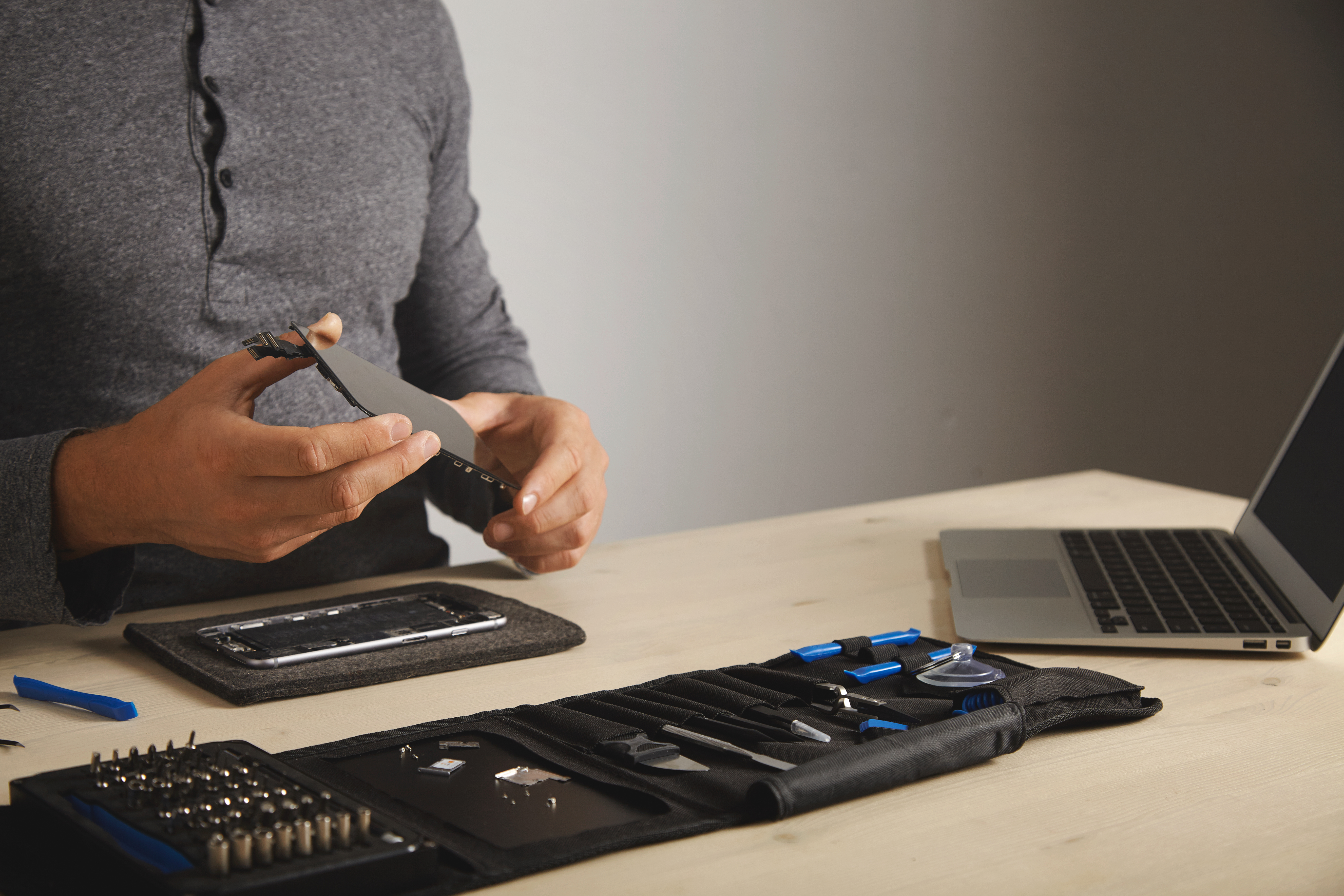
The smartphone industry has become one of the fastest-growing technology sectors in the world. Every year, millions of new smartphones are sold, and as their usage increases, so does the demand for professional repair technicians.
Whether it's a cracked display, charging issue, motherboard failure, software problem, or water damage, people need skilled technicians to repair their devices quickly and professionally.
This has made Mobile Phone Repairing one of the most promising technical careers for students after Plus Two, ITI graduates, diploma holders, degree graduates, and anyone looking for a high-income skill.
However, one common question many students ask is:
If you have these questions, this comprehensive guide will help you make the right career decision.
Technology is evolving rapidly. Smartphones have become an essential part of everyday life, and almost everyone owns one.
As smartphone prices continue to rise, customers now prefer repairing their devices instead of buying new ones. This has created a booming repair industry with thousands of job openings across India and abroad.
Unlike many traditional courses that require years of education, a professional smartphone repairing course can help students become job-ready in a relatively short period through practical training.
The demand for technicians is increasing in:
Android Repairing involves diagnosing, troubleshooting, servicing, and repairing smartphones that operate on the Android operating system.
Unlike iPhones, Android is used by many manufacturers. This means Android technicians work with a wide range of smartphone models, making their skills highly versatile.
Popular Android Brands
Since these brands dominate the global smartphone market, Android technicians enjoy a constant flow of repair work.
A professional Android Repairing course generally covers:
Hardware Repairs
Software Solutions
Advanced Chip-Level Repairs
Students receive practical training using real smartphones and professional repair tools.
iPhone Repairing focuses exclusively on Apple devices.
Apple products use unique hardware architecture and proprietary software, requiring technicians to develop specialized skills and precision.
Because iPhone repair demands advanced expertise, trained professionals are highly valued in the market.
Professional iPhone training includes:
Hardware Repairs
Logic Board Repairs
Advanced Training
This specialized training enables technicians to handle premium Apple devices confidently.
Learning Android Repairing offers several long-term career benefits.
1. Huge Customer Base
Android devices account for the majority of smartphones worldwide, ensuring a steady stream of repair work.
2. Faster Learning
Android repair techniques are generally easier for beginners to understand.
3. High Demand
Every city requires trained Android technicians due to the large number of Android users.
4. Business Opportunities
Students can establish:
5. Abroad Job Opportunities
Android technicians are in demand across Gulf countries, Europe, Canada, and Australia.
Although iPhone users represent a smaller market, the career advantages are significant.
1. Higher Income
iPhone repairs usually generate higher service charges compared to Android devices.
2. Premium Customers
Apple users are willing to invest in quality repair services.
3. Advanced Technical Skills
Learning iPhone Repairing develops expertise in advanced diagnostics and motherboard repairs.
4. International Career Growth
Many overseas employers actively recruit skilled iPhone technicians.
5. Better Career Growth
Technicians specializing in Apple devices often progress into senior technical roles.
Both courses offer excellent employment opportunities.
Android dominates the global smartphone market, ensuring continuous demand for repair professionals.
At the same time, Apple's market share continues to grow every year, increasing the need for trained iPhone technicians.
If your goal is maximum career growth, learning both Android and iPhone Repairing is the smartest choice.
Employers prefer technicians who can repair all major smartphone brands rather than specialists in only one platform.
Your earnings depend on your skills, experience, and location.
Many trained technicians begin with entry-level positions and increase their income as they gain expertise.
Experienced professionals can earn significantly more by specializing in advanced chip-level repairs or running their own repair business.
Those working abroad often enjoy higher salary packages due to the growing demand for skilled smartphone technicians.
Yes.
One of the biggest advantages of learning smartphone repairing is the opportunity to become your own boss.
You can start:
With proper technical skills, quality service, and customer satisfaction, you can build a profitable business with long-term growth potential.
At Magnus Institute, we are committed to transforming students into highly skilled smartphone technicians through practical, industry-focused training. Our comprehensive Android and iPhone Repairing Course combines hands-on learning, advanced chip-level repair techniques, real customer device experience, and state-of-the-art diagnostic equipment to ensure students gain real-world expertise. Guided by experienced industry trainers, students also develop essential soft skills, professional confidence, and entrepreneurial knowledge. With dedicated placement assistance and business guidance, Magnus Institute not only prepares students for rewarding careers in the mobile repair industry but also empowers them to confidently start and grow their own successful mobile repair businesses.
The smartphone repair industry offers tremendous opportunities for those who are willing to learn practical technical skills.
Both Android Repairing and iPhone Repairing are excellent career options. However, professionals trained in both platforms enjoy the greatest advantage in today's competitive job market.
Whether your goal is to secure a well-paying job, work abroad, or launch your own repair business, mastering Android and iPhone chip-level repairing can open the door to a rewarding future.
At Magnus Institute, our practical, industry-oriented training equips you with the skills, confidence, and real-world experience needed to become a successful smartphone technician.
 Magnus Forum