
Two flagship phones. Two completely different approaches to smartphone engineering. One question everyone is asking: iPhone 18 Pro or Samsung Galaxy S26 Ultra?
The battle between Apple and Samsung has entered a new generation.
With Apple launching the iPhone 18 Pro and Samsung already competing at the premium end with the Galaxy S26 Ultra, smartphone users are not just comparing cameras or design anymore. Processor architecture, thermal management, display technology, charging systems, AI hardware and camera sensors are becoming equally important.
For anyone interested in smartphone technology, mobile hardware and chip-level engineering, these two devices offer a fascinating look at how modern smartphones are built.
So, when we look beyond the logos, which phone offers the more interesting hardware package?
Let’s compare the iPhone 18 Pro vs Samsung Galaxy S26 Ultra in detail.
|
Specification |
iPhone 18 Pro |
Samsung Galaxy S26 Ultra |
|
Display |
6.3-inch Super Retina XDR OLED |
6.9-inch Dynamic AMOLED 2X |
|
Refresh Rate |
Up to 120Hz |
Up to 120Hz |
|
Processor |
Apple A20 Pro |
Snapdragon 8 Elite Gen 5 for Galaxy |
|
Main Camera |
48MP variable-aperture Fusion camera |
200MP main camera |
|
Ultra-Wide |
48MP |
50MP |
|
Telephoto |
48MP |
50MP + 10MP |
|
Storage |
256GB to 2TB |
256GB to 1TB |
|
Battery |
Up to 34 hours video playback |
5000mAh |
|
Wireless Charging |
MagSafe/Qi2 up to 25W |
Supported |
|
Water Resistance |
IP68 |
IP68 |
|
Starting Price in India |
₹1,64,900 |
₹1,39,999 launch price |
Apple officially lists the iPhone 18 Pro with a 6.3-inch OLED display, A20 Pro processor and a three-camera 48MP Pro Fusion system. Samsung lists the Galaxy S26 Ultra with a 6.9-inch Dynamic AMOLED 2X display and a 200MP + 50MP + 50MP + 10MP rear-camera system.
The first major difference between the iPhone 18 Pro and Galaxy S26 Ultra is their physical approach.
Apple's iPhone 18 Pro features an aluminium unibody design, Ceramic Shield 2 on the front and Ceramic Shield on the back. It weighs 211 grams and measures 8.75mm thick. Apple also rates the device IP68 for water and dust resistance.
Samsung's Galaxy S26 Ultra takes a larger but surprisingly slim approach. It measures just 7.9mm thick, weighs 214 grams and uses an Armor Aluminum frame. Samsung uses Gorilla Armor 2 on the front and Gorilla Glass Victus 2 on the rear, along with IP68 protection.
Interestingly, despite the Galaxy having a considerably larger display, its weight is only slightly higher.
For users who prefer a more compact flagship, the iPhone 18 Pro size may be attractive. Those who prefer a larger screen for gaming, content consumption and productivity may find the Galaxy S26 Ultra's form factor more suitable.
Searches around iPhone 18 Pro display, Galaxy S26 Ultra display and iPhone 18 Pro vs S26 Ultra screen are especially relevant because the two phones are noticeably different here.
The iPhone 18 Pro comes with a 6.3-inch Super Retina XDR OLED display with a resolution of 2622 × 1206 pixels.
It also supports:
The Galaxy S26 Ultra uses a much larger 6.9-inch-class Dynamic AMOLED 2X display with a 3120 × 1440 resolution and refresh rates up to 120Hz.
Samsung also introduces one particularly interesting hardware feature: Privacy Display.
When activated, the system reduces visibility from side viewing angles, helping protect sensitive information from people looking at the screen from beside the user. Samsung describes it as a built-in privacy-screen technology unique to the S26 Ultra.
This shows how smartphone display engineering is moving beyond resolution and refresh rate into privacy and intelligent display technology.
At the centre of every modern smartphone is its chipset.
And the iPhone 18 Pro vs Galaxy S26 Ultra processor comparison is one of the most technically interesting parts of this generation.
Apple A20 Pro
The iPhone 18 Pro is powered by Apple's A20 Pro chip.
Apple lists:
Apple has also paired the chipset with a next-generation vapor chamber to improve sustained performance and thermal management.
Samsung uses the Snapdragon 8 Elite Gen 5 Mobile Platform for Galaxy.
Samsung says the customised platform improves CPU, GPU and NPU performance compared with the previous Galaxy generation and supports demanding applications including gaming, AI processing and video editing. The Galaxy S26 Ultra also uses a redesigned vapor chamber for improved heat dissipation.
Modern smartphone performance therefore isn't simply about processor speed anymore.
Chip architecture + thermal management + AI processing + power efficiency all work together.
That is also why understanding smartphone hardware requires much more than simply knowing how to replace individual components.
This is where the iPhone 18 Pro camera vs Samsung Galaxy S26 Ultra camera comparison becomes especially interesting.
iPhone 18 Pro Camera
Apple uses a 48MP Pro Fusion camera system featuring:
The biggest hardware change is the variable-aperture main camera.
The main lens can operate at multiple aperture settings including f/1.48, f/1.8, f/2.8 and f/4.0, giving the camera greater control over light and depth of field.
Samsung uses a four-camera rear system:
Instead of looking only at megapixel numbers, technicians and technology enthusiasts should pay attention to the complete camera module — sensor size, aperture, image processor, stabilization hardware, lens system and software processing all influence the final result.
Battery technology is another major factor in searches for iPhone 18 Pro vs Galaxy S26 Ultra battery life.
Apple does not advertise the battery primarily by its mAh capacity. Instead, it rates the iPhone 18 Pro for up to 34 hours of video playback.
Apple also says the iPhone 18 Pro can reach around 50% charge in approximately 15 minutes when used with a compatible 60W-or-higher adapter and appropriate charging setup.
MagSafe and Qi2 wireless charging are supported at up to 25W.
Samsung equips the Galaxy S26 Ultra with a 5000mAh battery and rates it for up to 31 hours of video playback. Samsung's Super-Fast Charging 3.0 can reach up to 75% in 30 minutes under supported conditions.
Real-world battery life, however, depends heavily on display brightness, mobile network usage, gaming, camera usage, background applications and other factors.
The iPhone 18 Pro comes in:
256GB | 512GB | 1TB | 2TB
Samsung offers Galaxy S26 Ultra configurations reaching up to 1TB, including a 16GB RAM/1TB version in India.
The move toward larger storage capacities reflects another major change in smartphones.
High-resolution photos, 4K and 8K video, AI models, games and professional applications require significantly more storage than smartphones did only a few years ago.
The most interesting part of the iPhone 18 Pro vs Galaxy S26 Ultra comparison isn't simply deciding which specification is bigger.
Look inside the technology.
Modern flagship smartphones now combine:
A smartphone may look simple from the outside, but inside it is one of the most complex consumer electronic devices people use every day.
And as smartphone technology becomes more advanced, understanding mobile hardware, troubleshooting and chip-level technology becomes increasingly valuable.
At Magnus Institute of Technology, students don't have to look at smartphones only as consumers.
They can learn how smartphone technology works from the inside.
Through practical training in Smartphone & Laptop Chip-Level Engineering, students can develop knowledge in areas such as smartphone hardware, motherboard-level technology, fault diagnosis and professional repair techniques.
Devices like the iPhone 18 Pro and Samsung Galaxy S26 Ultra show just how quickly smartphone engineering continues to evolve.
Today's smartphone user sees a camera, display and apps.
A trained technician learns to see the technology behind them.

Mobile phones and laptops have become essential parts of everyday life, which has increased the need for technicians who understand how these devices work and how to troubleshoot technical problems. For students and beginners interested in electronics and technology, Mobile & Laptop Repair Training in Kerala can provide an opportunity to develop practical technical skills.
A structured repair training program generally goes beyond basic component replacement. Students can learn about electronic circuits, hardware diagnosis, software troubleshooting, motherboard-level repairs, soldering techniques, and professional service practices.
Understanding the skills covered in a training program can help students decide whether mobile and laptop repair is the right technical field for them.
One of the first skills students need to develop is the ability to identify and understand different components.
Mobile phones contain components such as:
Laptop repair training introduces students to components such as motherboards, processors, RAM, storage devices, keyboards, displays, batteries, charging circuits, and other hardware.
Understanding what each component does helps technicians approach a fault systematically rather than replacing parts without identifying the actual cause.
Repair technicians need a basic understanding of electronics to diagnose hardware problems effectively.
Training may introduce concepts such as:
These fundamentals provide the foundation for more advanced troubleshooting and chip-level repair.
Hardware troubleshooting is an important part of mobile and laptop repair.
A technician needs to identify the symptoms of a problem and determine where the fault may be located. For example, a device that does not switch on could have a battery issue, charging problem, power-management fault, damaged component, or motherboard-level problem.
Students learn to approach such issues through systematic testing instead of relying only on guesswork.
Mobile repair training can cover a range of common smartphone problems. Depending on the curriculum, students may learn techniques related to:
Magnus's published course content also describes training in smartphone architecture, component repair, and advanced service techniques.
Laptop repair requires an understanding of both individual components and the interaction between them.
Students can develop skills in areas such as:
Learning these areas can help students understand how to approach different laptop service situations.
Modern repair technicians need knowledge of software as well as hardware.
Mobile and laptop training can introduce students to areas such as:
Software knowledge becomes particularly useful when a device appears to have a hardware problem but the underlying issue is actually software-related.
Soldering is an important practical skill for technicians who want to progress beyond basic repair work.
Students may learn how to handle soldering equipment safely and accurately, work with small electronic components, and perform controlled repairs on circuit boards.
Advanced training can also introduce microsoldering techniques, where precision is particularly important because mobile and laptop circuit boards contain very small components.
Chip-level repair focuses on diagnosing faults at the motherboard and component level rather than simply replacing complete modules.
Students can learn about:
Magnus currently offers smartphone and smartphone-plus-laptop chip-level engineering programs, with its published curriculum covering core electronics, smartphone technology, laptop technology, advanced service techniques, and professional skills.
Technical knowledge becomes more useful when students know how to use the equipment required for diagnosis.
Depending on the course, training can involve tools such as:
Magnus's training infrastructure includes professional repair stations, BGA rework and soldering units, diagnostic equipment, and circuit-analysis facilities.
A good technician needs more than the ability to replace a component. Problem-solving is one of the most important skills developed during technical training.
For example, when a laptop does not power on, the technician needs to determine whether the problem originates from the charger, battery, charging circuit, power section, motherboard, or another component.
This diagnostic approach helps technicians avoid unnecessary replacements and work more systematically.
Some advanced repair programs may also introduce students to basic data recovery and maintenance techniques.
These skills can be useful when customers experience problems involving storage devices, operating systems, or inaccessible data. Technicians also need to understand the importance of handling customer devices and data responsibly during repair work.
Repairing electronic devices requires patience and precision. Small components can be easily damaged when excessive force, heat, or incorrect tools are used.
Training helps students develop habits such as:
These habits are important for reducing avoidable damage during technical work.
Technical ability is only one part of working as a repair technician. Professionals may also need to communicate with customers, understand service requirements, explain problems, and maintain service records.
Magnus's published program information includes professional skills such as service management, customer relations, and business operations alongside technical training.
These skills can be particularly useful for students who eventually want to work independently or establish a repair business.
Repair skills cannot be developed entirely through classroom theory. Students need opportunities to observe faults, test components, use repair equipment, and understand how different problems are diagnosed.
Magnus describes its approach as combining theoretical learning with practical work, real-time problem solving, interactive sessions, and industry case studies.
Working with actual devices can help students connect electronic concepts with practical repair situations.
Once students develop sufficient technical knowledge and practical experience, they can explore different directions within the repair industry.
Potential roles include:
The specific opportunities available to an individual will depend on their technical skills, practical experience, qualifications, and local employment market.
Mobile & Laptop Repair Training in Kerala can cover much more than basic mobile servicing or laptop component replacement. Students can develop skills in electronics, hardware troubleshooting, software diagnosis, soldering, chip-level repair, diagnostic equipment, and professional service practices.
For anyone considering this field, understanding the curriculum is an important first step. A program that combines technical fundamentals with practical exposure can help learners build a stronger foundation for working with modern electronic devices.
Magnus Innovative offers smartphone and smartphone-plus-laptop technical programs that incorporate areas including electronics, device technology, advanced service techniques, and professional skills.
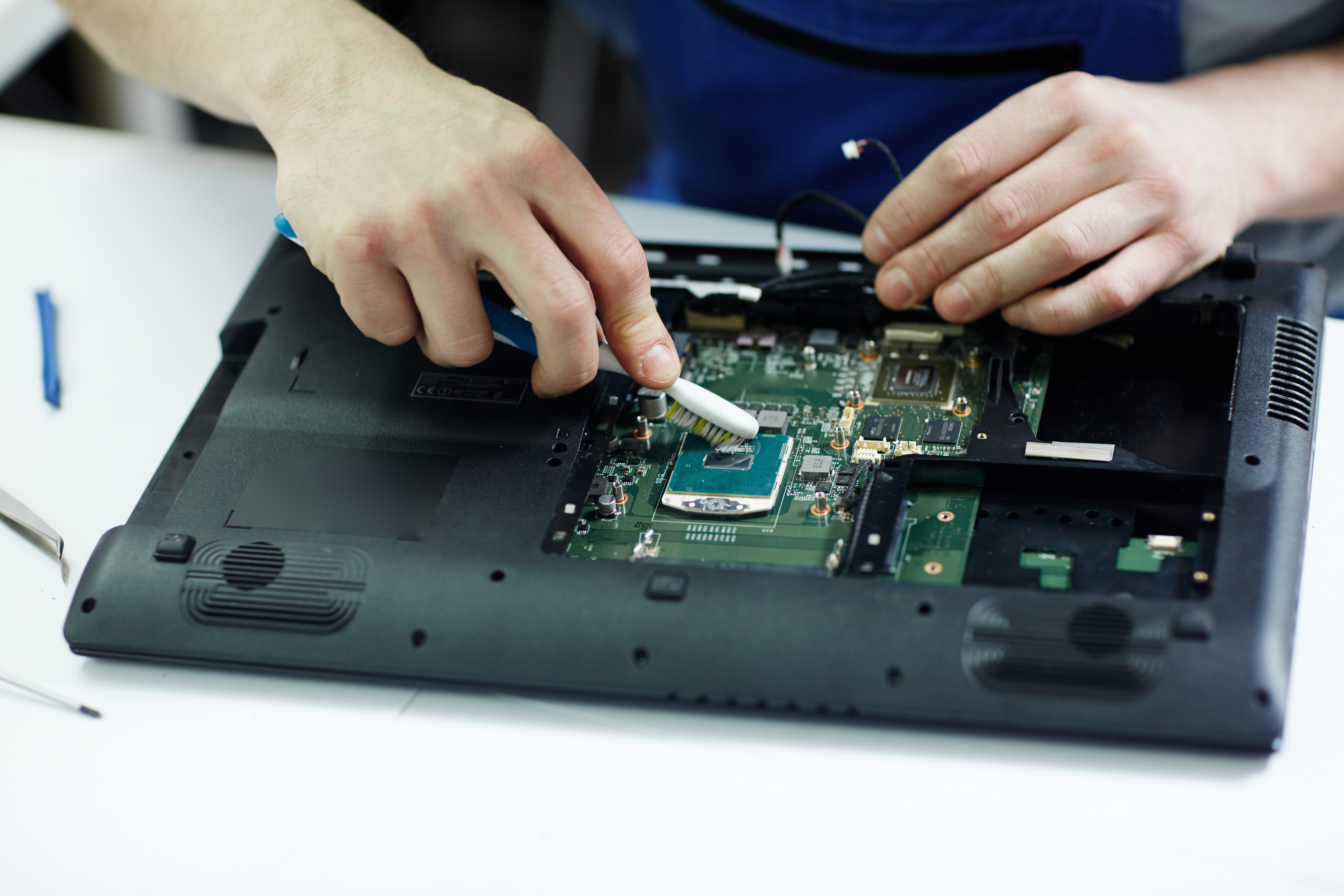
Smartphones have become an essential part of everyday life. From communication and education to banking, shopping, and entertainment, almost everything depends on mobile devices. As smartphone usage continues to grow, the demand for skilled mobile technicians is also increasing.
For students and job seekers searching for a mobile repairing course in Malappuram, learning smartphone repair can be a practical way to build a technical career. Magnus Institute of Technology provides skill-focused training designed to help students develop practical knowledge in smartphone repair, troubleshooting, and chip-level technology.
1. Growing Demand for Skilled Mobile Technicians
Millions of people depend on smartphones every day. Screen damage, charging problems, battery issues, motherboard faults, software problems, and water damage are common.
Because of this, trained technicians are required in mobile service centres, repair shops, electronics businesses, and smartphone service networks.
Learning through a professional mobile technician course in Malappuram can help students prepare for these growing opportunities.
2. Practical and Skill-Based Career
Many students today are looking for job-oriented courses after 12th instead of depending only on traditional academic qualifications.
Mobile repairing is a practical technical skill where students learn by working directly with devices, components, tools, and real repair situations.
For students interested in a technical course after Plus Two in Malappuram, smartphone chip-level training can provide valuable hands-on experience.
3. Employment and Self-Employment Opportunities
After completing professional mobile repair training, students can explore different career paths such as:
Students interested in entrepreneurship can also use their technical skills to build their own mobile servicing business.
A professional smartphone repairing course in Malappuram should cover both basic and advanced repair techniques.
Mobile Hardware Fundamentals
Students learn about smartphone components, circuit boards, connectors, ICs, batteries, displays, cameras, charging sections, speakers, microphones, and other important hardware components.
Smartphone Troubleshooting
Students learn how to identify and diagnose common smartphone problems instead of replacing components without understanding the actual fault.
Hardware Repair
Training can include practical work related to:
Software Troubleshooting
Modern smartphone technicians also need an understanding of software-related issues such as system errors, firmware problems, flashing, updates, and smartphone operating systems.
Chip-Level Repair Training
For students looking for advanced technical skills, mobile chip-level repairing training is especially important.
Chip-level training helps students understand motherboard-level faults, component testing, soldering, IC-related problems, and advanced smartphone diagnostics.
Practical Training
Technical skills cannot be developed through theory alone.
Hands-on practical sessions allow students to work with repair tools and devices so they can understand real-world smartphone problems and develop confidence in troubleshooting.
Magnus Institute of Technology focuses on practical, career-oriented technical education.
Students looking for the best mobile repairing institute in Malappuram should choose an institute that provides practical exposure along with structured technical training.
Practical-Oriented Training
Students receive hands-on training focused on smartphone hardware, software, troubleshooting, and repair techniques.
Chip-Level Technical Training
Magnus provides training designed to help students understand advanced smartphone repair concepts beyond basic screen or battery replacement.
Career-Focused Learning
The training is designed for students who want to develop technical skills that can lead to employment, professional growth, or self-employment.
Training for Students After Plus Two
Students searching for the best course after Plus Two in Malappuram can consider skill-based technical programs where practical knowledge plays a major role.
Smartphone and laptop chip-level engineering can be especially suitable for students interested in electronics, technology, gadgets, and troubleshooting.
Mobile and Laptop Technical Skills
Students can develop knowledge beyond basic smartphone servicing by learning advanced technical concepts related to mobile and laptop repair.
This makes mobile and laptop repairing courses in Kerala an attractive option for students looking for broader technical career opportunities.
A mobile repairing course can be suitable for:
No matter whether your goal is employment or entrepreneurship, developing practical technical skills can help create more career opportunities.
Many students searching online look for a mobile repairing course with placement in Kerala because they want both practical training and career opportunities.
Choosing a career-focused technical institute can help students understand industry requirements, develop practical skills, and prepare themselves for professional opportunities in smartphone servicing and repair.
If you are searching for a mobile repairing course near me, choosing an institute with practical training, experienced technical guidance, and career-focused learning is important.
For students in Malappuram and nearby areas, Magnus Institute provides an opportunity to learn technical skills without having to move far away from home.
The smartphone repair industry continues to create opportunities for technicians who understand modern devices, advanced diagnostics, and chip-level repair.
Whether you want to work as a smartphone technician, build experience in a service centre, or eventually start your own repair business, developing the right technical skills is the first step.
If you are searching for a mobile repairing course in Malappuram, mobile technician course in Malappuram, or a job-oriented technical course after 12th, Magnus Institute of Technology can help you start building practical skills for your future career.
Turn your interest in technology into a professional skill with Magnus Institute of Technology.
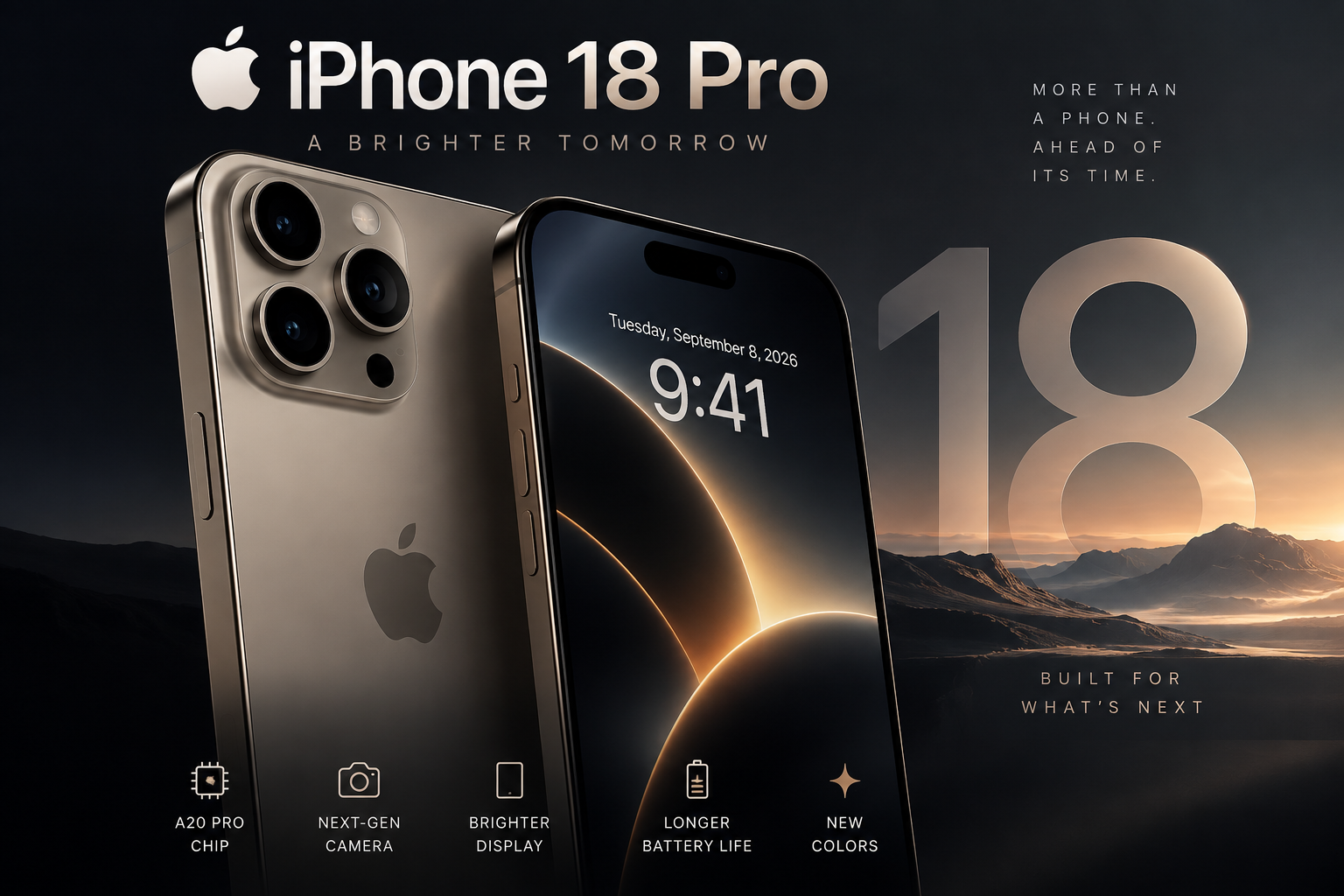
What if Apple’s biggest iPhone change in 2026 isn’t just a better camera, a faster chip, or a new color—but a completely different launch strategy?
Apple may be about to break one of its most predictable traditions.
Instead of launching the entire iPhone 18 lineup together, reports suggest Apple will introduce the iPhone 18 Pro and iPhone 18 Pro Max first, while the standard iPhone 18 may not arrive until 2027.
And that’s only the beginning.
A new 2nm A20 Pro chip, variable-aperture camera technology, a striking Dark Cherry color, improved battery life, a smaller Dynamic Island, and even Apple’s first foldable iPhone could make this one of the most interesting Apple launches in years.
If you're searching for the iPhone 18 release date, iPhone 18 Pro price, iPhone 18 colors, iPhone 18 camera, or iPhone 18 specs, here’s everything you need to know.
Important: As of September 7, 2026, Apple has confirmed its September 9 special event, but most iPhone 18 Pro specifications and pricing remain based on leaks, analyst reports, and industry sources until Apple officially announces the devices.
Apple has officially scheduled its next special event for September 9, 2026, at 10:00 a.m. Pacific Time. The company has not officially named the products it will unveil, but the iPhone 18 Pro, iPhone 18 Pro Max, and Apple's first foldable iPhone are widely expected to headline the event.
The most likely timeline is:
September 18 is currently an expected release date rather than an Apple-confirmed date.
This could be one of Apple’s biggest strategy changes in years.
Current reports suggest Apple plans to split the iPhone 18 series into two launch periods.
The premium lineup—iPhone 18 Pro, iPhone 18 Pro Max, and the rumored foldable iPhone—is expected in fall 2026.
The standard iPhone 18, iPhone 18e, and possibly the next iPhone Air are expected later, around spring 2027.
For buyers, that means anyone looking for a regular iPhone 18 may have to wait several months longer than usual.
Apple’s Pro colors often become one of the most discussed parts of every launch, and the iPhone 18 Pro colors could be particularly interesting this year.
Recent leaks point toward options including:
Earlier rumors also mentioned darker gray or black finishes, but more recent leaks have increasingly pointed toward a three-color lineup.
Among all the rumored finishes, Dark Cherry is attracting the most attention.
Rather than a bright red, leaks describe it as a deeper, wine-inspired shade designed to give the Pro models a richer premium appearance.
If the rumor is accurate, Dark Cherry could become the signature color of the iPhone 18 Pro series.
For photographers and content creators, the most exciting rumored upgrade may be the iPhone 18 Pro camera.
Reports have repeatedly suggested that Apple is developing a variable-aperture main camera for its next-generation Pro models.
A camera aperture is the opening that controls how much light reaches the image sensor.
Most smartphone cameras use a fixed aperture, meaning the physical opening remains the same regardless of the scene.
A variable aperture can mechanically adjust that opening.
Think of it like the pupil of your eye:
A wider aperture can allow more light into the camera, potentially helping with:
A narrower aperture allows less light through and can keep more of the scene in focus, which can be useful for:
This could give photographers more physical control over the image instead of relying entirely on computational photography.
However, because smartphone sensors and lenses are much smaller than those found in professional cameras, the real-world effect will only become clear after the device is officially tested.
Another rumored iPhone 18 camera upgrade is a higher-resolution front camera.
Reports have suggested that flagship iPhone 18 models could use a 24MP front-facing camera, compared with the lower-resolution camera systems used previously.
If implemented, the upgrade could potentially offer:
Again, this remains unconfirmed until Apple officially reveals the hardware.
Under the hood, the A20 Pro chip could be one of the most important iPhone 18 Pro upgrades.
The chip is widely expected to be produced using a 2-nanometer manufacturing process, compared with the 3nm generation used by Apple's previous flagship processors.
Why does that matter?
Smaller transistor technology can help chip designers increase performance and efficiency within a similar physical area.
Potential advantages include:
Recent leaks have also suggested architectural changes that could increase GPU capabilities and memory bandwidth, although the final performance will need to be verified after launch.
The iPhone 18 Pro and iPhone 18 Pro Max are rumored to feature 12GB of RAM.
Analyst Ming-Chi Kuo has suggested that Apple's premium models will retain 12GB, while the standard iPhone 18 could move to 9GB when it arrives later.
More RAM can help with:
With Apple increasingly focusing on AI-powered features, memory is becoming more important than ever.
Battery capacity could also improve, especially on the iPhone 18 Pro Max.
Leaks and regulatory information have pointed toward a modest battery increase for the smaller Pro and a more noticeable increase for the Pro Max.
The actual battery-life improvement could come from more than battery capacity alone.
The combination of:
could help the iPhone 18 Pro Max deliver significantly stronger endurance.
Apple traditionally focuses more on real-world battery hours than publicly advertising battery capacity in mAh, so official endurance figures will be more useful than leaked battery numbers alone.
Apple may also reduce the size of the Dynamic Island on the iPhone 18 Pro models.
Reports suggest that some Face ID components could move beneath the display, allowing Apple to reduce the visible cutout without completely removing it.
The result could be:
It may not completely transform the design, but it could make the front of the iPhone look noticeably more refined.
Apple is also expected to continue developing more of its wireless technology internally.
Reports have linked the iPhone 18 Pro generation with Apple's C2 cellular modem, although some evidence suggests modem configurations could vary by country or market.
Apple is also expected to use its next-generation wireless networking silicon.
The potential benefits include:
The iPhone 18 Pro will also benefit from iOS 27, including Apple's expanded Siri AI experience.
Apple describes the new Siri as more personal and capable, with richer answers and more natural interactions powered by Apple Intelligence.
Combined with the A20 Pro and increased memory resources, AI could become a much bigger part of everyday iPhone usage.
The iPhone 18 Pro won't be the only device attracting attention.
Apple is widely expected to introduce its first foldable iPhone alongside the premium iPhone lineup in 2026.
The device could become Apple's biggest form-factor change since the original iPhone.
Instead of replacing the traditional iPhone immediately, the foldable model is expected to sit at the premium end of Apple's lineup.
That means September 2026 could give customers three major premium choices:
iPhone 18 Pro – compact premium flagship
iPhone 18 Pro Max – larger flagship with stronger battery life
Foldable iPhone – Apple's new ultra-premium form factor
If you're currently using an older iPhone and care about photography, battery life, gaming, AI features, or long-term performance, the iPhone 18 Pro could be worth watching closely.
The most meaningful rumored improvements appear to be the:
2nm A20 Pro chip, variable-aperture camera, improved battery life, smaller Dynamic Island, and deeper integration of Apple Intelligence.
However, price could play a major role this year.
If the expected price increases become reality, users may also want to compare the iPhone 18 Pro against discounted iPhone 17 Pro models before deciding.
When is the iPhone 18 Pro launching?
Apple's special event is confirmed for September 9, 2026, and the iPhone 18 Pro lineup is widely expected to be announced there. A release around September 18 is currently predicted but not yet officially confirmed.
When will the standard iPhone 18 launch?
The standard iPhone 18 is currently expected in spring 2027, rather than September 2026.
What are the expected iPhone 18 Pro colors?
Recent rumors point toward Dark Cherry, Sky/Light Blue, and Silver, although Apple has not confirmed the final colors.
Will the iPhone 18 Pro have a better camera?
Reports suggest the main camera could introduce variable-aperture technology, giving users more physical control over light and depth of field.
What chip will the iPhone 18 Pro use?
The iPhone 18 Pro is expected to feature Apple's next-generation A20 Pro chip, reportedly manufactured using a 2nm process.
How much will the iPhone 18 Pro cost?
Official pricing has not been announced. Recent estimates suggest a U.S. starting price of roughly $1,249–$1,299 for the iPhone 18 Pro and $1,349–$1,399 for the Pro Max.
The iPhone 18 Pro series could represent much more than Apple's usual annual upgrade.
A new 2nm processor, variable-aperture camera, improved battery technology, smaller Dynamic Island, new premium colors, advanced AI features, and the arrival of Apple's first foldable iPhone could make the 2026 launch one of the company's most important smartphone events in years.
But there is one important point to remember: until Apple officially announces the iPhone 18 Pro on September 9, specifications, colors, prices, and availability should still be treated as rumors.
At Magnus Institute of Technology, we don't just follow new technology—we explore how it works.
From advanced smartphone hardware and chip-level technology to the innovations shaping the future of mobile devices, stay connected with Magnus Institute of Technology for simple, practical, and up-to-date tech insights.
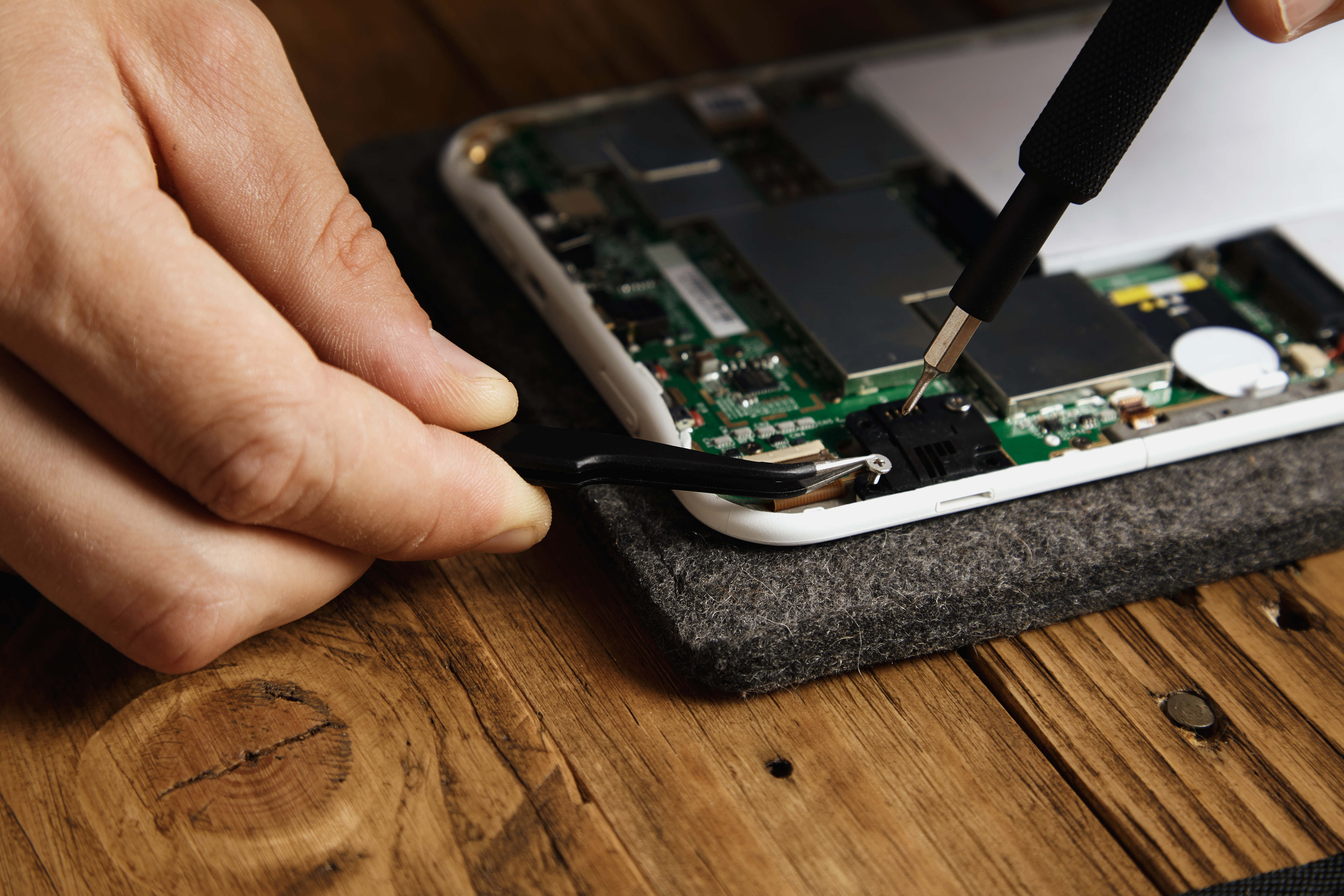
Smartphones have become an inseparable part of everyday life, and with millions of devices in use, the demand for a skilled mobile repair technician has never been higher. Whether it's a cracked screen, a battery issue, or a complex motherboard fault, people need reliable experts who can fix their phones quickly and correctly. This growing demand has made a mobile repairing course one of the most searched and promising career options for young professionals today — and Magnus Institute of Technology, one of the best mobile repairing institutes in India, is leading the way in training the next generation of skilled mobile phone repairing technicians.
If you've been searching for "mobile repairing institute near me," "mobile repairing course fees," "mobile repairing training institute," or "best mobile repairing institute in India," this guide will help you understand why hands-on training matters and why Magnus Institute of Technology is the right place to start.
The mobile repairing business offers a unique combination of stability, flexibility, and growth potential — which is why searches for "mobile repairing course after 12th," "mobile repairing classes," and "smartphone repair training" continue to rise every year:
Choosing the right training institute is the most important step toward building a successful career in mobile repairing. Magnus Institute of Technology stands out for several reasons:
1. Industry-Experienced Trainers
Our instructors bring years of hands-on experience in smartphone hardware and software repair, ensuring students learn practical, real-world techniques rather than just theory.
2. Comprehensive Mobile Repairing Course Curriculum
Our mobile repairing diploma course covers everything from the basics of mobile hardware to advanced chip-level mobile repairing, including:
3. Hands-On Training with Real Devices
Theory alone isn't enough in this field. Students at Magnus Institute of Technology get extensive hands-on practice using real smartphones, professional tools, and industry-standard equipment.
4. Modern Lab Facilities
Our training labs are equipped with the latest diagnostic tools, microscopes, soldering stations, and testing equipment used in professional repair centers.
5. Certification and Career Support
Graduates receive a recognized mobile repairing certificate upon course completion, along with career guidance, resume support, and assistance connecting with repair shops and businesses looking to hire certified mobile repair technicians.
Our mobile repairing course after 10th and 12th is designed for a wide range of learners:
No prior technical background is required — our courses are structured to take beginners from the fundamentals all the way to advanced repair techniques.
Graduates of our mobile repairing training program can pursue various paths, including:
Many technicians who complete a professional mobile repairing course go on to earn a strong income, either through employment or by running their own mobile repair center.
If you're looking to build a stable, in-demand, and rewarding career, a mobile repairing course is a field worth exploring — and there's no better place to start than Magnus Institute of Technology, your trusted mobile repairing institute near me. With expert-led training, hands-on practice, and strong career support, we equip our students with the skills and confidence needed to succeed in the real world of smartphone repairing.
Enroll today in our mobile repairing course and take the first step toward becoming a certified mobile repair professional.
 Magnus Forum