.webp)
In today’s fast-growing digital world, smartphones have become an essential part of everyday life. People rely on their mobile devices for communication, work, entertainment, banking, and many other daily activities. As the number of smartphone users continues to rise, the demand for skilled technicians who can repair and maintain these devices is also increasing. This growing demand makes mobile phone repair a promising and practical career choice for many young people.
Starting a career in mobile phone repair does not always require a long academic journey. With the right training, practical experience, and guidance from a professional Mobile Repair Training Institute Kerala, students can quickly learn the technical skills needed to enter this industry and build a successful career.
The mobile repair industry is expanding rapidly because smartphones are complex electronic devices that often require professional servicing. Common issues such as cracked screens, battery problems, charging port damage, software errors, and motherboard faults are frequent problems faced by smartphone users.
Because new mobile models are released every year, there is always a need for trained technicians who understand the latest technology and repair methods. By learning mobile repair skills from a recognized Mobile Repair Training Institute Kerala, students can stay updated with modern repair techniques and gain confidence in handling different smartphone brands and models.
Mobile phone repair offers several advantages for students and job seekers who want a skill-based profession. Unlike many careers that require years of study, mobile repair training focuses on practical learning and hands-on experience.
Some of the key benefits of choosing this career include:
With proper training from a trusted Mobile Repair Training Institute Kerala, students can build strong technical knowledge and quickly enter the workforce.
To become a successful mobile repair technician, it is important to learn from experienced professionals in a structured training environment. A professional training institute provides students with the necessary tools, equipment, and practical sessions to understand smartphone repair techniques.
At Magnus Innovative, students receive comprehensive training that covers both basic and advanced mobile repair skills. The institute focuses on practical learning, ensuring that students gain real-world experience by working on different types of smartphones and repair situations.
Choosing a reputed Mobile Repair Training Institute Kerala like Magnus Innovative ensures that students learn the latest repair technologies, including chip-level repairing, software troubleshooting, and hardware diagnostics.
A professional mobile repair course teaches students a wide range of technical skills that are essential for working as a technician. Some of the important skills covered during training include:
These skills help students build confidence and prepare them to handle real customer repair requests effectively.
After completing training from a recognized Mobile Repair Training Institute Kerala, students can explore various career opportunities in the mobile service industry. Some of the common career paths include:
Many technicians also expand their services to include laptop repair, gadget servicing, and electronic device maintenance, which further increases their income potential.
One of the biggest advantages of learning mobile repair skills is the opportunity to start your own business. With basic tools, technical knowledge, and practical experience, technicians can open their own repair shops or offer freelance repair services.
A professional Mobile Repair Training Institute Kerala not only teaches repair skills but also guides students on how to start and manage their own service business. From understanding customer service to managing repair equipment, proper training helps aspiring entrepreneurs build a strong foundation for their business.
When it comes to professional technical training, choosing the right institute plays a crucial role in shaping your career. Magnus Innovative is known for its hands-on training approach, experienced instructors, and industry-focused curriculum.
Students who join Magnus Innovative benefit from:
As a trusted Mobile Repair Training Institute Kerala, Magnus Innovative helps students transform their interest in technology into a rewarding career.
Mobile phone repair is one of the most practical and rewarding technical careers available today. With the growing number of smartphone users, the demand for skilled technicians will continue to rise in the coming years. For students who enjoy working with technology and solving technical problems, mobile repair training offers a fast and reliable path to professional success.
By enrolling in a reputable Mobile Repair Training Institute Kerala such as Magnus Innovative, aspiring technicians can gain the skills, experience, and confidence needed to build a strong career in the mobile repair industry. With dedication, continuous learning, and hands-on practice, students can successfully transition from beginners to professional technicians and create a bright future in the technology repair field.
 (1).jpg)
Smartphones Are Everywhere – But Who Fixes Them
Imagine a day without your smartphone. For most people, that’s almost impossible. Smartphones have become essential for communication, business, online learning, entertainment, and daily life. But like any electronic device, they can develop problems such as broken screens, battery issues, charging port failures, and software glitches.
This is where mobile repair technicians play a crucial role. With millions of smartphones being used every day, the demand for skilled professionals who can repair and maintain these devices is rapidly increasing.
In fact, enrolling in a mobile repairing course in Kerala is now considered one of the best job-oriented career choices in 2026.
Smartphones are no longer just communication tools. They have become powerful devices that support digital payments, business operations, education, and entertainment. As smartphone usage continues to grow across India and Kerala, the need for professional mobile technicians is also rising.
Even a small technical issue can make a phone unusable. Whether it is a damaged display, motherboard issue, or software crash, people need quick and reliable repair services.
This is why trained professionals who complete a mobile technician course or smartphone repair training have strong career opportunities in today’s technology-driven world.
The demand for mobile phone repair technicians is growing faster than ever before. Many smartphones now replace laptops and desktops for everyday tasks, making them essential devices.
Because of this, mobile servicing centers and repair shops constantly look for skilled technicians who can handle different hardware and software issues.
Some common services provided by technicians include:
By completing a mobile repairing course, students can gain practical knowledge that leads to stable income, professional growth, and long-term career opportunities.
Choosing a mobile repair training course in Kerala offers many advantages for students and job seekers.
1) Short Duration Course: Most mobile technician courses can be completed within a short period.
2) High Demand Skill:Smartphones are everywhere, so skilled technicians are always needed.
3) Low Investment Career:Compared to many other businesses, starting a mobile repair shop requires a relatively small investment.
4) Opportunity to Start Your Own Business:Many technicians start their own mobile repair centers and build profitable businesses.
5) Job Opportunities Worldwide:Mobile repair skills are valuable not only in Kerala but also across India and abroad.
In this industry, practical skills matter more than academic qualifications, making it an excellent option for students after 10th or 12th.
A professional mobile phone repairing course teaches students both technical and practical skills required in the industry.
Some of the key skills include:
With regular practice and hands-on training, students can quickly become skilled smartphone repair technicians.
Choosing the right training institute is extremely important for building a successful career in the mobile repair field.
At Magnus Institute of Technology, students receive industry-focused training designed to help them become professional mobile technicians. The institute focuses heavily on practical mobile repair training, allowing students to work directly with real smartphones and repair equipment.
Key highlights include:
This practical learning approach ensures that students gain the skills needed to succeed in the competitive mobile repair industry.
Completing a mobile technician course in Kerala can open many career paths.
1) Service Center Technician:Work in authorized service centers of brands like Apple or Samsung.
2) Mobile Repair Shop Technician:Join existing mobile service centers or electronics repair shops.
3) Freelance Technician:Offer repair services independently and build your own client base.
4) Mobile Repair Business Owner:Start your own mobile repair shop or service center and grow your business.
With experience and expertise, technicians can earn a steady income and long-term career stability.
In today’s technology-driven world, mobile repairing has become a powerful career option for young students. However, success in this field depends heavily on practical experience.
A well-structured mobile repairing course with hands-on training helps students develop real repair skills, strong problem-solving abilities, and the confidence required to work in the industry.
For students looking to build a future in smartphone repair, mobile technician jobs, or mobile service center businesses, practical training is the most valuable investment they can make.
If you want to gain real technical skills and build a successful career in the mobile repair industry, consider enrolling in a professional training program at Magnus Institute of Technology.
Learn from experts, practice on real devices, and become a skilled mobile repair technician ready for the growing technology market
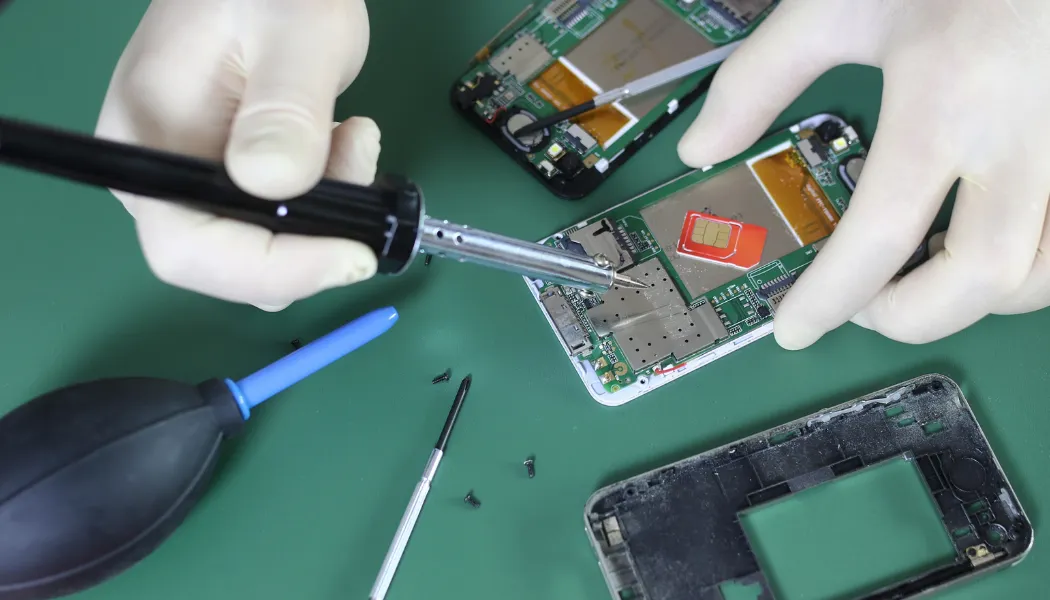
Smartphones have become an essential part of everyday life, and with millions of devices in use, the need for skilled mobile repair technicians continues to grow. Learning mobile repair is not just about understanding theory; it requires hands-on practical training to truly master the skills needed to repair modern smartphones. Practical training gives students real experience working with devices, tools, and troubleshooting techniques that prepare them for real-world repair situations.
Smartphones consist of many small and sensitive components such as motherboards, IC chips, batteries, cameras, displays, and connectors. Reading about these parts in a classroom is helpful, but working directly with them during practical sessions helps students understand how they function and how they connect inside the device.
During practical training, students learn how to carefully open smartphones, identify different parts, and reassemble them without causing damage. This hands-on approach helps them become familiar with internal phone structures and improves their technical understanding.
A successful mobile technician must be able to identify problems quickly and accurately. Practical training allows students to work on different types of faults such as charging issues, display problems, battery failures, network errors, or software malfunctions.
By analyzing real devices and troubleshooting problems step by step, students learn how to diagnose faults efficiently. This process improves logical thinking and problem-solving skills, which are essential for repairing smartphones professionally.
Mobile repair technicians rely on specialized tools to perform accurate repairs. Practical training introduces students to important equipment such as soldering stations, multimeters, microscopes, DC power supplies, and flashing tools.
Instead of just learning the theory behind these tools, students get the opportunity to practice using them in real repair situations. This hands-on experience helps them develop precision and confidence while handling delicate components.
Every smartphone brand and model has a different internal design and repair process. Practical training exposes students to various types of smartphones, helping them understand how to handle different hardware layouts and technologies.
By working with multiple devices, students gain valuable experience and become more adaptable technicians. This knowledge prepares them to repair a wide range of smartphones in professional service centers.
Confidence is an important factor for anyone entering the technical field. Practical training allows students to repeatedly practice repairs under the guidance of experienced instructors. With each repair task, students gain more confidence in their abilities.
Handling real repair cases also prepares students for the challenges they may face in a professional repair shop or service center. This practical exposure ensures they are ready to work independently after completing their training.
Mobile repair training with a strong focus on practical learning can open many career opportunities. Skilled technicians can work in mobile service centers, electronics shops, or authorized repair facilities. Many technicians also choose to start their own mobile repair businesses, which can be a profitable career option with low investment.
At Magnus Innovative Institute, practical learning is a key part of the mobile repair training program. Students receive hands-on experience working with smartphones, repair tools, and real troubleshooting scenarios. This practical approach helps students build strong technical skills and gain the confidence required to succeed in the mobile repair industry.
Practical training is the most effective way to master smartphone repairs. It helps students understand device components, improve diagnostic abilities, and gain real experience using professional repair tools. With proper hands-on learning and expert guidance, anyone interested in technology can develop the skills needed to become a successful mobile repair technician.
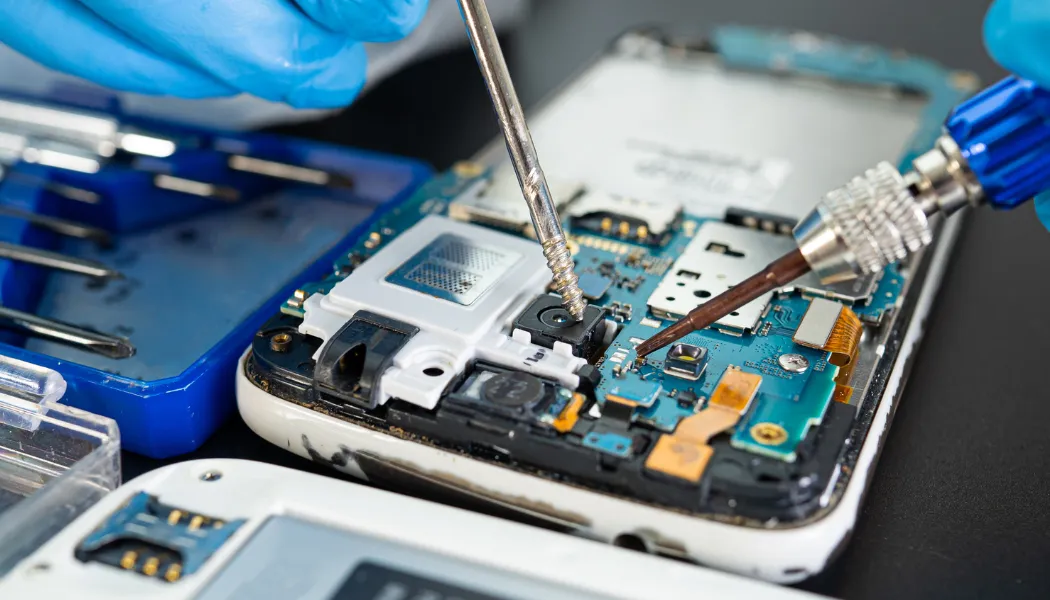
In today’s digital world, smartphones are no longer luxury gadgets — they are everyday essentials. From online banking and business meetings to social media and education, mobile devices power modern life. As smartphone usage increases, so does the need for skilled professionals who can repair, maintain, and troubleshoot them efficiently.
If you are searching for a practical career option that requires minimal investment but offers strong earning potential, enrolling in a Mobile Technician Course in Kerala could be the turning point in your professional journey.
Kerala has one of the highest literacy rates and smartphone usage levels in India. Almost every household owns multiple mobile devices. With constant upgrades, software updates, accidental damages, and hardware failures, repair services are always in demand.
Unlike many careers that depend on market fluctuations, mobile repair services remain essential. Cracked screens, battery issues, charging port problems, motherboard faults, and software errors are common problems that require professional expertise. This consistent need makes mobile repair a stable and profitable field.
Many students and job seekers struggle to find employment after completing traditional academic programs. A skill-based course, however, can help you enter the workforce quickly and start earning sooner.
Here’s why mobile repair stands out as a smart career choice:
Most professional mobile technician courses can be completed within a few months, allowing you to start working quickly.
Compared to other technical careers, the initial investment for training and tools is relatively low.
You can open your own mobile repair shop or provide doorstep services.
As smartphone technology evolves, skilled technicians are always required.
You can work full-time, part-time, or even run your own business from home.
A well-structured Mobile Technician Course in Kerala focuses on practical training rather than just theory. At Magnus Innovative Technical Services, students receive hands-on experience with real devices and industry-grade tools.
Practical exposure ensures that students can confidently handle real customer devices after course completion.
One of the biggest advantages of becoming a certified mobile technician is the wide range of career opportunities available.
You can join authorized or multi-brand service centers as a technician.
Many technicians eventually establish their own service centers, earning significantly more.
Doorstep repair services are becoming popular, especially in urban areas.
Skilled technicians are in demand in Gulf countries and other international markets.
Some technicians expand into selling mobile accessories and refurbished devices online.
Income depends on skill level, experience, and business strategy. Beginners working in service centers can earn a steady monthly income. As expertise grows, especially in chip-level and advanced repairs, earning potential increases significantly.
Entrepreneurs who run their own shops can generate consistent profits through repair services, spare parts sales, and accessories. With dedication and customer trust, monthly earnings can grow substantially over time.
Not all training programs provide the same quality of education. The right institute should offer:
Magnus Innovative Technical Services focuses on hands-on training to ensure students gain real-world experience. The curriculum is designed to match current industry requirements, preparing students for both employment and entrepreneurship.
This course is ideal for:
No advanced technical background is required. With the right guidance and practice, anyone with interest and commitment can master mobile repair skills.
The future of mobile repair is closely connected to technological advancements. Foldable phones, 5G devices, and advanced processors require specialized repair knowledge. Technicians who continuously upgrade their skills will remain competitive in the industry.
Moreover, sustainability trends are encouraging device repair instead of replacement. This shift further strengthens the demand for skilled mobile technicians.
Consistency, customer service, and technical expertise are the keys to long-term success in this field.
A Mobile Technician Course in Kerala is more than just a training program — it is a gateway to financial independence and career stability. With increasing smartphone usage and constant repair needs, skilled technicians will always be in demand.
By choosing professional training from Magnus Innovative Technical Services, you can gain the practical knowledge and confidence required to build a rewarding and profitable career in the mobile repair industry.
If you are ready to transform your future, now is the perfect time to step into this fast-growing technical field.
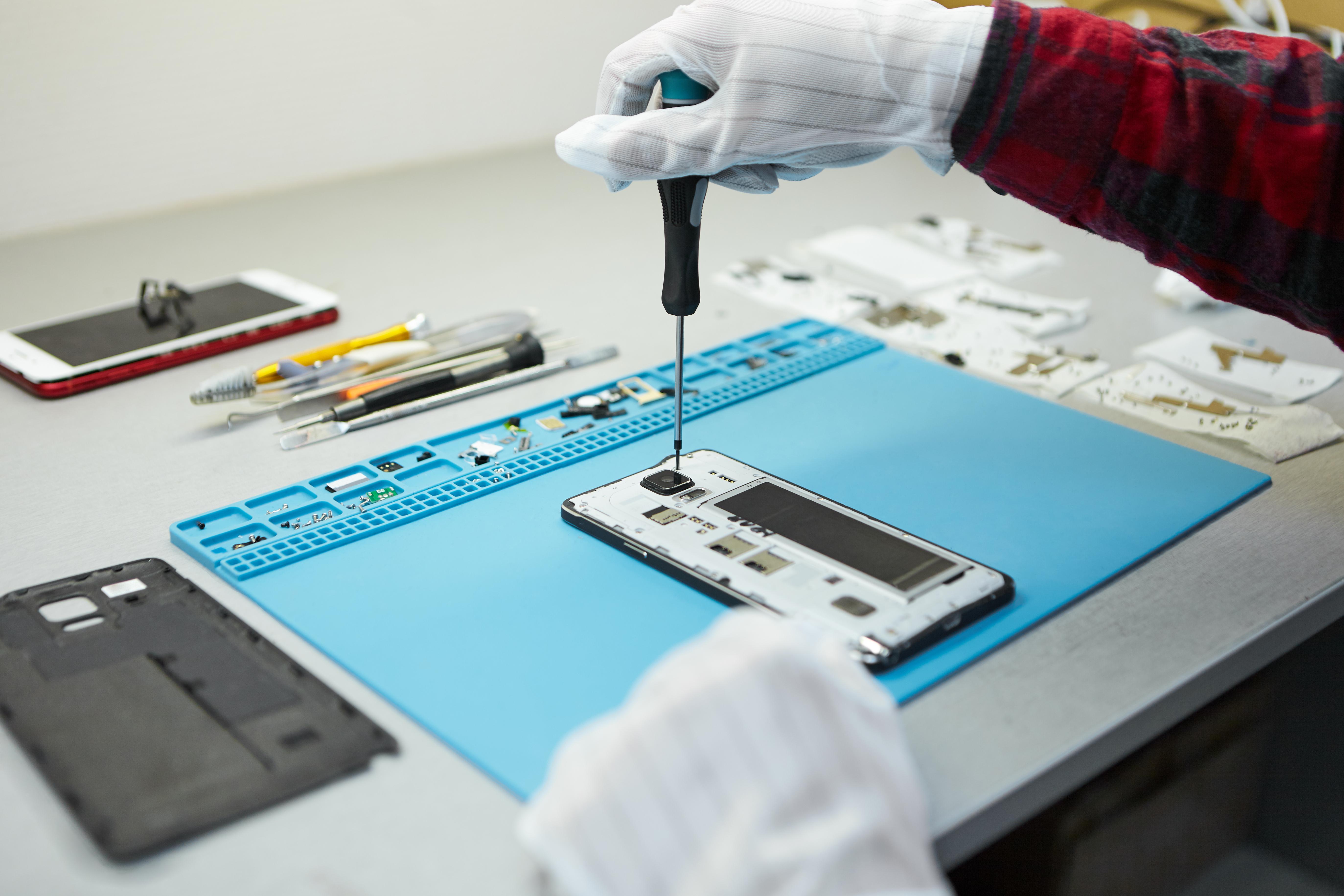
What if you could start earning in months instead of waiting years for a degree? In today’s competitive job market, speed matters — but so does skill. Many students are now questioning whether traditional education alone is enough to secure fast employment. The real answer lies in understanding the difference between hands-on training vs traditional education and choosing the path that leads to quicker job readiness.
Employers are no longer hiring based on certificates alone. They are looking for candidates who can do the job from day one. While traditional education builds theoretical knowledge, it often takes years before students gain practical exposure. This delay can slow down entry into the workforce.
On the other hand, skill-based hands-on training focuses on real-world application. Instead of just reading about concepts, students practice with actual tools, equipment, and live scenarios. This method builds confidence, improves problem-solving ability, and prepares students for immediate employment.
Students who choose practical training often enter the job market earlier, gaining work experience while others are still completing long academic programs.
At Magnus Institute, we bridge the gap between learning and earning. Our programs are designed to deliver hands-on technical training that matches current industry demands. Students don’t just study theory — they work directly with real devices, tools, and service-level challenges.
Magnus Institute focuses on:
Our mission is simple: Turn beginners into industry-ready professionals.
Traditional education builds knowledge, but hands-on training builds careers. If your goal is faster employment, practical expertise, and early financial independence, skill-based education can give you a strong advantage.
Don’t wait years to step into the workforce.
Choose practical learning. Choose industry-ready skills.
Join Magnus Institute today and turn your skills into a successful career.
 Magnus Forum