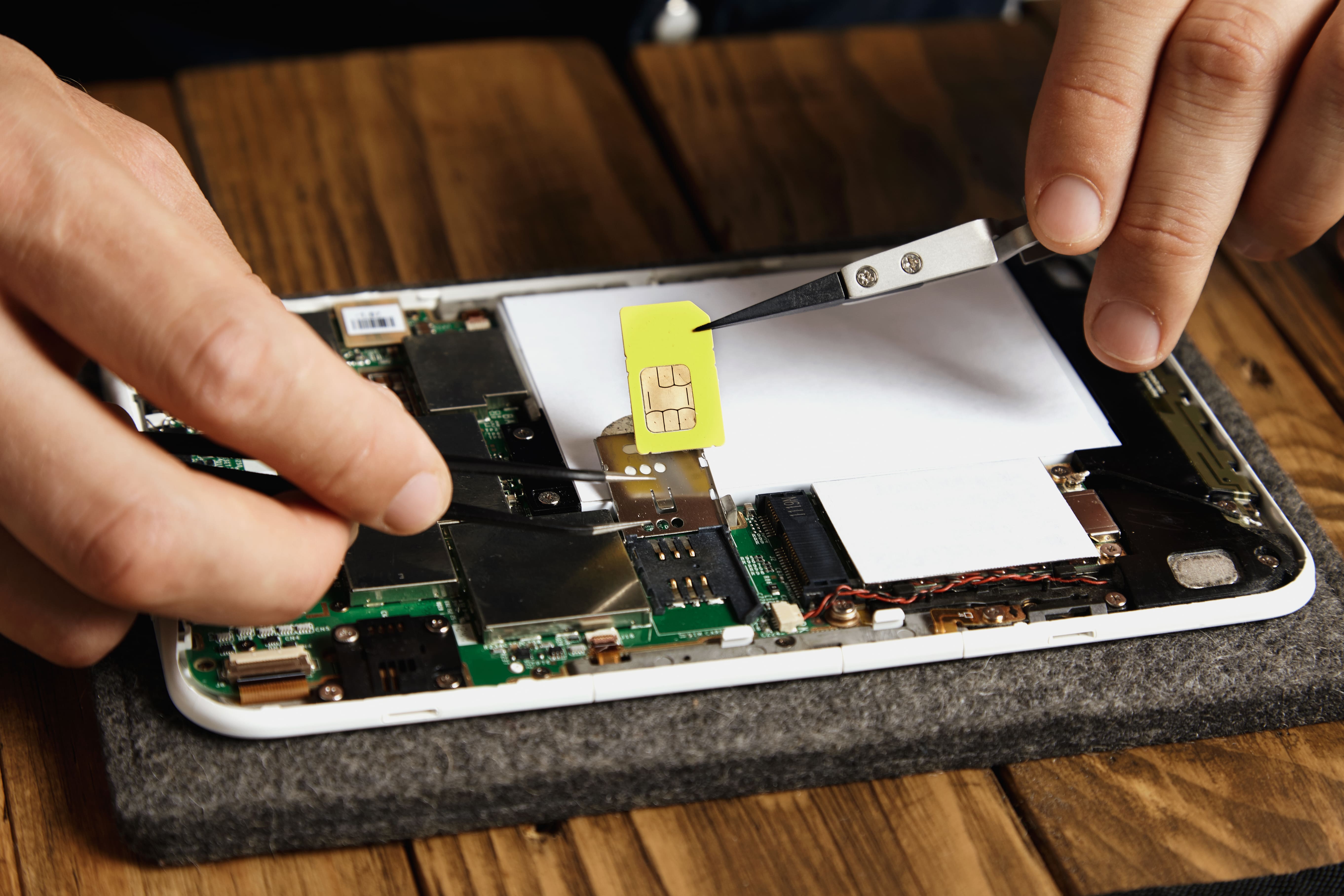
A smartphone that refuses to turn on may appear to have a simple problem. However, the underlying fault could involve the battery, charging circuit, power supply section, motherboard, or another hardware component.
For mobile repair technicians, identifying the actual fault is more important than replacing parts based on guesswork. This is where chip-level diagnosis and systematic troubleshooting become essential.
In this case study, we explore a typical smartphone power failure scenario to understand how a technician can approach the diagnosis step by step.
A smartphone is brought in for inspection with the following symptoms:
At this stage, the technician cannot conclude that the motherboard is faulty. Several possible causes could produce similar symptoms.
The first step is to perform a systematic inspection rather than immediately replacing a component.
The technician begins with basic checks to understand the device's condition.
The phone is checked for signs of physical damage, liquid exposure, damaged charging ports, unusual heating and previous repair work.
The battery and its connections are examined to rule out obvious power-related issues.
The charging path is checked to determine whether the device is receiving power as expected.
If the basic checks do not identify the issue, further diagnosis of the motherboard and relevant power circuits may be required.
Each step helps narrow down the possible causes instead of relying on assumptions.
Board-level faults may not be visible during an external inspection. A smartphone motherboard contains multiple circuits and components responsible for power distribution, charging, processing and communication.
A technician trained in chip-level diagnosis learns to investigate these faults using appropriate tools and measurements.
Depending on the device and symptoms, the diagnostic process may involve:
The goal is to identify the fault as accurately as possible before attempting a repair.
Once the technician identifies the faulty section, they determine whether the issue can be resolved through component-level repair.
The repair process may include inspecting the affected area, checking surrounding components, removing a damaged component when confirmed, replacing it using appropriate techniques and performing follow-up testing.
The device should not be considered repaired simply because it powers on. Additional checks are needed to confirm its stability and functionality.
After the repair attempt, the technician verifies the phone's operation.
The testing process may include:
Proper post-repair testing helps ensure the repair has addressed the problem rather than only temporarily changing the symptom.
A repair case like this demonstrates why mobile repair training requires more than memorising component names or learning basic replacements.
Students need to understand:
These are important skills for anyone interested in developing a career in smartphone hardware repair.
Mobile phone repair training can provide learners with opportunities to practise troubleshooting and hardware diagnosis on repair boards and devices.
Practical exposure to tools, circuit analysis, soldering techniques and fault identification helps learners understand how repair work is performed in real situations.
At Magnus Institute of Technology, students interested in smartphone and chip-level repair training can explore the available course programmes and practical training facilities to understand which programme suits their learning goals.
A smartphone may fail to power on due to battery problems, charging faults, motherboard issues, damaged components or other hardware and software faults. Proper diagnosis is needed to identify the cause.
Chip-level mobile repairing involves diagnosing and repairing faults at the circuit-board component level, rather than only replacing larger modules or assemblies.
Technicians may use digital multimeters, DC power supplies, microscopes, soldering stations, hot-air rework equipment and other diagnostic tools depending on the fault.
It requires patience, practical training, an understanding of electronic circuits, measurement skills and consistent practice. Beginners can build these skills progressively through structured training.
Practical experience helps learners apply theoretical knowledge, identify faults, use repair equipment safely and build confidence with different repair scenarios.
A smartphone that will not power on can have several possible causes. Effective repair begins with systematic troubleshooting, accurate measurements and a clear understanding of the device's circuits.
Chip-level diagnosis helps technicians move beyond guesswork and develop a structured approach to motherboard repair. For students interested in mobile hardware repair, learning these diagnostic methods is an important step toward developing practical technical skills.
Explore mobile and smartphone repair training programmes at Magnus Institute of Technology to learn more about developing hands-on repair knowledge and technical skills.
Interested in learning smartphone motherboard repair and chip-level troubleshooting?
Explore Magnus's mobile repairing courses and training programmes
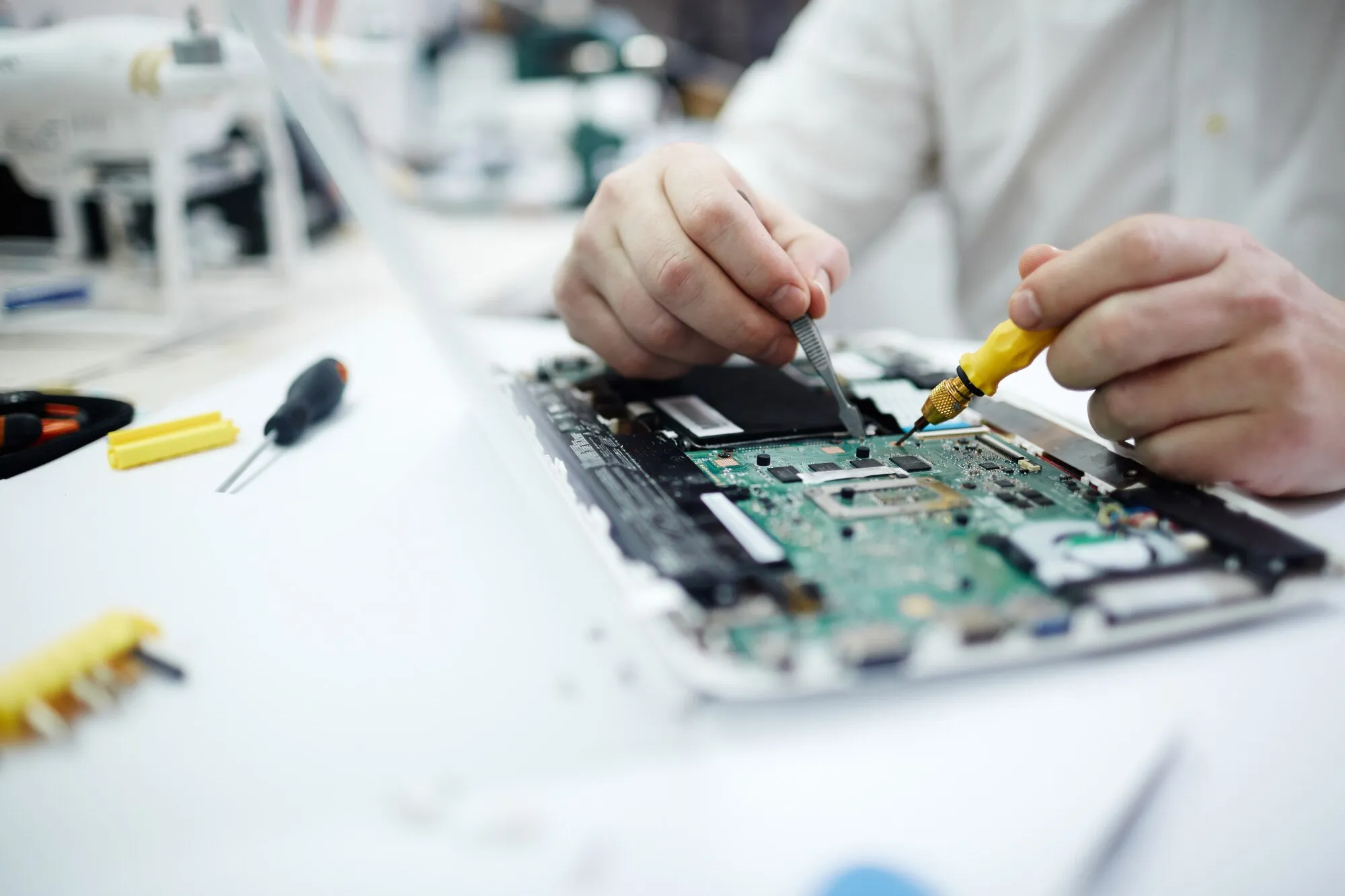
Are you interested in electronics, smartphones, laptops, and practical technical skills? If so, enrolling in a professional mobile and laptop repairing course could be an option worth exploring.
Smartphones and laptops have become essential parts of everyday life. From communication and education to business and entertainment, people depend on electronic devices every day. This creates an ongoing need for technicians who understand device components, hardware troubleshooting, software issues, and electronic repair techniques.
For students looking to develop technical skills, choosing one of the best mobile and laptop repairing courses in Kerala can be an important first step towards entering the electronics service industry.
However, selecting the right institute requires more than comparing advertisements or course fees. Students should evaluate the course curriculum, practical training, equipment, trainers, industry exposure, and career guidance before making an admission decision.
In this guide, we will explore what makes a mobile and laptop repairing course worth considering, what students should learn, and why Magnus Institute of Technology is an option to explore in Kerala.
Technology continues to evolve, and electronic devices require regular maintenance, troubleshooting, and servicing.
A structured mobile and laptop repairing course introduces students to the technical knowledge and practical skills required to understand how these devices work.
Here are some reasons why students consider this field:
Students can learn about electronic components, smartphone architecture, laptop hardware, circuit fundamentals, and troubleshooting techniques.
Practical training helps learners understand how different components function and how technical faults can be identified.
After developing the required knowledge and experience, students can explore opportunities in:
Career opportunities depend on the student's technical ability, experience, qualifications, and industry requirements.
Students interested in advanced electronics can explore chip-level engineering, motherboard diagnostics, soldering, micro-soldering, and component-level troubleshooting.
These skills can help learners progress beyond basic device servicing.
Individuals who develop sufficient technical and business knowledge may consider establishing their own mobile or laptop repairing service centre.
Practical experience, equipment, spare-parts sourcing, customer service, and business planning are important considerations before starting a repair business.
Before choosing an institute, students should understand the features of a well-structured technical programme.
Here are seven important factors to compare.
A good programme should cover the technical fundamentals required to understand modern electronic devices.
Depending on the course, students should look for training in:
Always request the detailed syllabus before admission and check which subjects include practical sessions.
Mobile and laptop repairing is a practical profession.
Students need opportunities to work with devices, identify faults, use diagnostic tools, and understand repair procedures.
Before joining an institute, check whether it offers:
Practical exposure is important because understanding a repair process theoretically is different from performing it correctly.
Chip-level engineering involves diagnosing problems at the circuit-board and electronic component level.
Students interested in advanced repairing should look for training that introduces:
Students should also check how much practical experience the institute provides in these areas.
The quality of instruction is another important factor.
Look for an institute where trainers can explain technical concepts clearly, demonstrate repair procedures, supervise practical sessions, and guide students through troubleshooting exercises.
Students should enquire about the trainers' relevant technical experience and teaching approach.
Modern electronics servicing requires suitable tools and testing equipment.
Students should check whether the institute provides access to:
Access to suitable equipment helps students become familiar with tools used in practical repair environments.
Before selecting a course, enquire about the programme's internship structure, industry exposure, certification, and career support.
Important factors include:
Students should confirm exactly what is included in their selected programme rather than assuming that every institute provides the same benefits.
Location is also an important consideration.
Students should check whether the institute has an accessible training centre, suitable class schedules, and the necessary practical facilities at their chosen branch.
Students can choose different programmes depending on their technical interests and career goals.
The following table explains the main training options.
|
Course type |
Main learning areas |
Suitable for |
|
Basic Mobile Repairing |
Smartphone components and common faults |
Beginners |
|
Advanced Mobile Repairing |
Advanced hardware troubleshooting and chip-level techniques |
Aspiring mobile technicians |
|
Laptop Repairing |
Laptop hardware, software, and diagnostics |
Aspiring laptop technicians |
|
Smartphone Chip-Level Engineering |
Smartphone electronics and advanced component-level servicing |
Students interested in mobile specialisation |
|
Smartphone + Laptop Chip-Level Engineering |
Smartphone, laptop, Mac systems, and advanced diagnostics |
Students interested in multi-device servicing |
The right programme depends on the student's interests, learning goals, and preferred technical specialisation.
When exploring mobile and laptop repairing institutes in Kerala, Magnus Institute of Technology is one option students can consider.
Magnus offers specialised programmes focused on smartphone chip-level engineering and combined smartphone and laptop chip-level engineering.
The institute's published course information highlights practical training, advanced technical subjects, industry internship components, and student support.
Magnus offers an Electronics and Communication in Smartphone Chip-Level Engineering programme which has a total duration of 20 months.
The structure includes:
The curriculum covers areas such as:
The course page lists eligibility for students who have passed 10th or Plus Two in any stream, with an age requirement of 17 years and above.
Learn more about the Smartphone chip-level engineering course.
Students who want to develop technical knowledge across multiple electronic devices can explore Magnus's combined Smartphone + Laptop Chip-Level Engineering programme.
According to the official course page, the programme has a total duration of 22 months.
The published structure includes:
The programme covers:
The course page lists eligibility for students who have passed 10th or Plus Two in any stream, with an age requirement of 17 years and above.
Learn more about the Smartphone + Laptop Chip-Level Engineering Course.
Technical education requires suitable facilities where students can develop practical skills.
Magnus Institute publishes information about its technical training infrastructure, including:
These facilities support the practical training approach described by the institute.
Magnus publishes information about its affiliations with the Telecom Sector Skill Council (TSSC) and Electronics Sector Skills Council of India (ESSCI).
It’s website also identifies an NSQF-aligned training framework and provides affiliation-related details.
Students should verify the specific certification, applicable qualification, and affiliation coverage for their selected course and branch before admission.
In addition to technical training, Magnus publishes information about student support services such as:
Students interested in future self-employment can enquire about the business guidance available within their selected programme.
Accessibility is another factor when choosing a technical institute.
Magnus has training locations across Kerala, including:
Students can visit the official branch directory to check the available training centres and enquire about programme availability.
Explore: Magnus Training Centres Across Kerala.
After developing the necessary technical knowledge and practical experience, students can explore several career paths.
Mobile repair technicians identify and resolve smartphone problems involving displays, batteries, charging systems, speakers, connectors, and other components.
Laptop technicians diagnose and troubleshoot hardware and software issues, including motherboard problems, storage faults, display issues, and charging-related problems.
With advanced training and sufficient practical experience, technicians can specialise in motherboard diagnostics and component-level repairs.
Students can explore technical servicing and maintenance roles in electronics-related businesses.
Individuals with the necessary technical, business, and customer-service skills can explore establishing their own mobile or laptop repairing service centre.
Career progression depends on practical ability, experience, business knowledge, and continuous technical learning.
Both fields offer different learning opportunities.
|
Comparison factor |
Mobile repairing |
Laptop repairing |
|
Main devices |
Smartphones and related devices |
Laptops and Mac systems |
|
Technical focus |
Smartphone hardware, software, and motherboard repair |
Laptop hardware, operating systems, and motherboard diagnostics |
|
Specialised skills |
Mobile chip-level repair and micro-soldering |
Laptop circuit diagnostics and component-level servicing |
|
Career direction |
Mobile service technician |
Laptop service technician |
Students interested in both categories may consider a combined smartphone and laptop engineering programme.
A technical repairing course may be suitable for:
The eligibility requirements vary between programmes, so students should check the official admission criteria before applying.
The best course depends on the student's career goals, curriculum, practical training facilities, trainers, equipment, and industry exposure. Students interested in both smartphones and laptops can compare combined chip-level engineering programmes, such as the one offered by Magnus Institute of Technology.
Students can compare institutes based on course content, training facilities, trainer experience, certification, and practical exposure. Magnus Institute of Technology offers smartphone chip-level engineering and combined smartphone-plus-laptop chip-level engineering programmes.
Yes. Some institutes offer combined programmes covering smartphone and laptop technologies. Magnus offers a Smartphone + Laptop Chip-Level Engineering programme covering smartphone, laptop, and Mac systems.
Magnus's published Smartphone Chip-Level Engineering programme has a duration of 20 months, including 8 months of classroom and hands-on practical training and 12 months of industry internship.
The published Smartphone + Laptop Chip-Level Engineering programme has a duration of 22 months, including 10 months of classroom and hands-on practical training and 12 months of industry internship.
Magnus's published course pages list eligibility for students who have passed 10th or Plus Two in any stream, subject to the minimum age requirement of 17 years. Students should confirm the current admission requirements directly with the institute.
Chip-level repairing involves diagnosing and repairing faults at the electronic component and circuit-board level. It requires knowledge of electronics, circuit analysis, diagnostic equipment, and specialised soldering techniques.
Yes. Practical training helps students understand how devices work, identify faults, use repair tools, and apply troubleshooting techniques. Students should check the actual practical training structure before joining an institute.
Students who develop sufficient technical skills, practical experience, and business knowledge can explore starting their own repair service centre. Business planning, equipment, spare-parts sourcing, and customer service are important considerations.
Magnus has training locations in several parts of Kerala, including Thrissur, Kochi, Kozhikode, Kannur, Palakkad, and other locations. Students can check the official branch directory for addresses and programme availability.
Choosing a technical training programme is an important decision for students interested in electronics and device servicing.
Before enrolling, compare the course syllabus, practical training, duration, equipment, faculty, industry exposure, and available student support.
If you are looking for mobile and laptop repairing courses in Kerala, Magnus Institute of Technology is an option worth exploring.
With its specialised smartphone and smartphone-plus-laptop chip-level engineering programmes, practical training infrastructure, and multiple training locations, Magnus provides technical learning pathways for students interested in developing device repair skills.
Explore the available courses, understand the admission requirements, and speak with the institute before choosing the programme that matches your interests.
Interested in learning mobile and laptop repairing?
Contact Magnus Institute of Technology to enquire about course details, fees, admission requirements, internship structure, and available training locations.
Website: https://magnusinnovative.com/
Phone: +91 83689 00500
Email: info@magnusinnovative.com
Take the first step towards developing your technical skills with Magnus Institute of Technology.
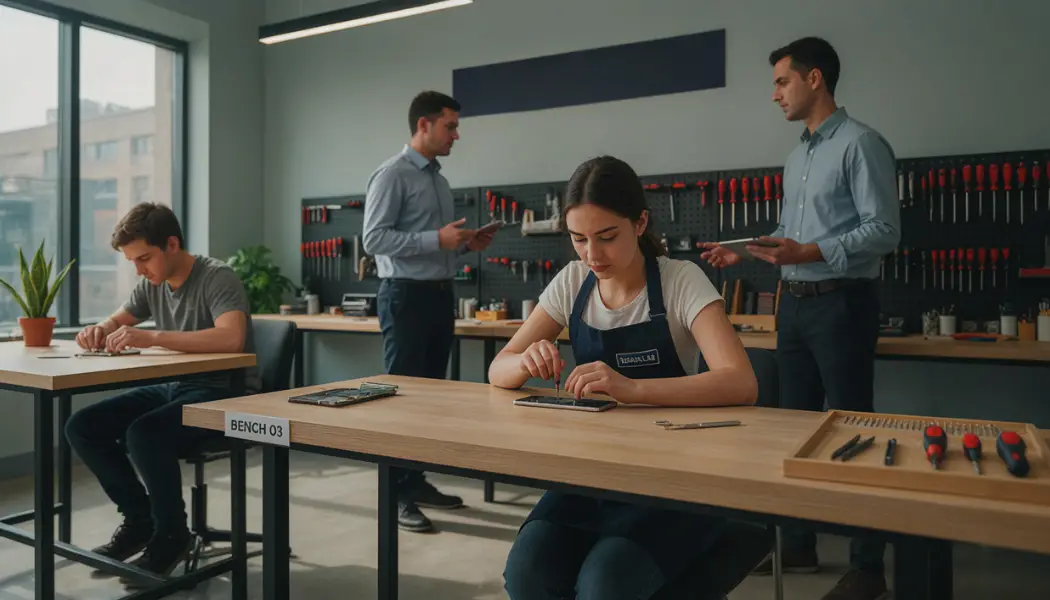
Completing Plus Two is an important milestone for students planning their future careers. While many students choose traditional degree programmes, others look for practical, skill-based courses that can help them enter a technical profession. One option worth exploring is mobile phone repair training.
With smartphones playing an essential role in communication, education, business, and entertainment, the need for skilled technicians who can diagnose and repair mobile devices continues to create opportunities in the electronics service industry. For students in Manjeri, mobile repair training can be a practical way to develop technical knowledge and explore different career paths after Plus Two.
Students do not always need to follow a conventional academic route to build a career. Skill-based training allows them to learn practical techniques and gain knowledge related to a specific industry.
Mobile repair training introduces students to smartphone hardware, electronic components, troubleshooting methods, and repair procedures. It can be particularly suitable for students who enjoy working with technology and solving technical problems.
Some important reasons to consider this field include:
Mobile repair training can help students build a foundation for several technical career paths. The opportunities available will depend on their practical ability, training quality, experience, and local employment demand.
A mobile phone repair technician identifies and resolves common smartphone issues. These may include charging problems, damaged displays, battery issues, speaker faults, and certain hardware malfunctions.
Students who develop strong troubleshooting skills and gain practical experience may pursue technician roles in mobile service centres and independent repair shops.
Smartphone hardware repair involves understanding the internal components of a device and identifying faults that affect its operation. Training may introduce learners to circuit boards, connectors, electronic components, and diagnostic tools.
With additional practice and specialised training, technicians can work towards handling more complex hardware-related repairs.
Mobile service centres and electronics repair businesses need technicians who can inspect devices, identify problems, communicate repair requirements, and follow suitable repair procedures.
Practical training can help students develop the foundation required for entry-level opportunities, although employers may have their own qualification and experience requirements.
Students interested in entrepreneurship may consider starting a mobile repair service after developing sufficient technical skills and gaining experience.
Before starting a business, it is important to understand repair costs, tools and equipment, spare-parts sourcing, customer service, warranty responsibilities, and local market demand. Building a reliable reputation and providing quality service are essential for long-term growth.
Mobile repair training can also serve as a starting point for further learning in electronics servicing. Depending on the course and additional qualifications pursued, students may explore advanced smartphone diagnostics, chip-level repair, and related electronic repair specialisations.
These areas require detailed technical knowledge, regular practice, and familiarity with specialised equipment.
A good mobile repair course should combine theoretical understanding with practical experience. Students should check the actual syllabus and practical components before enrolling.
Depending on the programme, training may cover:
Practical sessions are especially important because diagnosing real faults requires more than memorising technical concepts. Students should look for a course that provides supervised practice with appropriate tools and equipment.
Manjeri is an important commercial centre in Malappuram district, and students in the surrounding areas can explore local opportunities for technical education and skill development.
Choosing a training institute close to home may make it easier to attend regular classes, participate in practical sessions, and manage study expenses. Students should compare course duration, syllabus, trainer experience, equipment, practical exposure, and available career guidance before making a decision.
When searching for Mobile Repair Training in Manjeri, look for an institute that explains its training structure clearly and gives students opportunities to practise the techniques taught during the course.
It is also useful to ask about the type of devices used for training, the availability of advanced repair modules, course completion requirements, and any placement assistance offered. Students should confirm these details directly with the institute.
Mobile repair training may be a suitable option for students who prefer practical technical learning over a purely classroom-based programme. It can also appeal to students who want to explore electronics servicing or consider self-employment in the future.
However, the right course depends on individual interests and career goals. Students should compare mobile repair training with other available vocational and technical programmes, review the syllabus, and understand the time and financial commitment before enrolling.
Completing a course does not guarantee a job or a specific salary. Career growth generally depends on practical skills, experience, problem-solving ability, customer service, and continued learning.
For students exploring mobile repair training after Plus Two, Magnus Innovative is an institute to consider when researching technical training opportunities in Manjeri.
Before enrolling, students can enquire about the mobile and laptop repair courses available at the Manjeri branch, the practical training provided, course duration, fees, and the skills covered in the syllabus. Confirming these details will help students choose a programme that matches their interests and future plans.
If you have completed Plus Two and want to develop practical electronics repair skills, explore the training options available at the Magnus Innovative Manjeri branch.
Choosing a career after Plus Two involves understanding your interests, strengths, and long-term goals. For students interested in smartphones and electronics, mobile repair training can provide a foundation for exploring technical employment, specialised repair work, and future self-employment.
By choosing suitable training, practising consistently, and keeping up with changes in smartphone technology, students in Manjeri can work towards building valuable technical skills. Researching the available courses and comparing their practical components is a useful first step towards making an informed career decision.
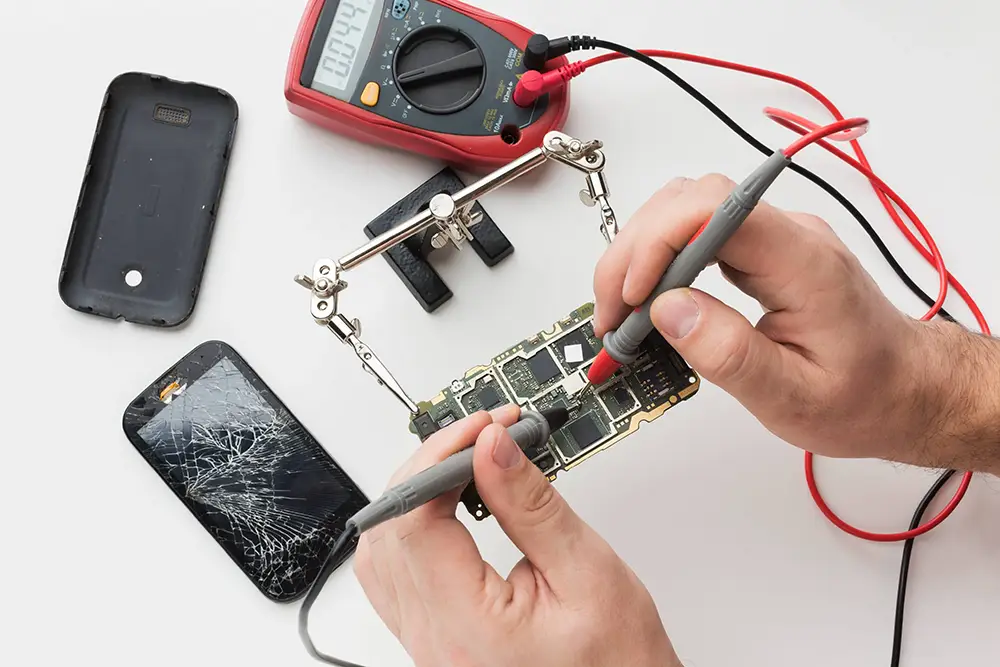
Finishing 12th is exciting, but it also brings a big question: what next? Not every student wants a three- or four-year degree, and not every degree leads straight to a job. If you want practical skills, quicker entry into the workforce, or even a chance to start your own business, a job-oriented course after 12th in Bengaluru may be the right path.
Among the many options, one skill-based career keeps growing with every new phone sold: mobile phone repairing.
Traditional degrees build theory. Job-oriented courses build skills employers and customers pay for. Here is why many students now prefer them:
Bengaluru is India's technology capital, with millions of smartphone users, thousands of electronics shops, service centres, and repair businesses, and a constant flow of new devices. That means more learning exposure, more job openings, and more opportunities to start a business after training.
Smartphones are now essential for work, study, banking, and entertainment. Cracked screens, battery problems, charging faults, and software issues are everyday problems, and people prefer trusted local technicians to fix them quickly.
A mobile phone technician course in Bengaluru teaches you to diagnose and repair these problems properly. Commonly covered topics include:
After completing a good smartphone technician course in Bengaluru, you can explore roles such as:
When you look for the best institute after 12th in Bengaluru, focus on what matters: practical training, experienced trainers, and real career support. At Magnis Institute of Technology, the mobile repairing course is designed around:
Visit the institute, meet the trainers, and see the lab setup before you decide.
Before enrolling anywhere, ask these questions:
Choosing the best course after 12th in Bengaluru is a big decision. If you enjoy gadgets, problem-solving, and working with your hands, a mobile repairing course can open the door to a stable, skill-based career, with the option to become your own boss.
Ready to start? Contact Magnis Institute of Technology to learn about upcoming batches, course details, and fees, and take your first step toward a career as a skilled mobile technician.
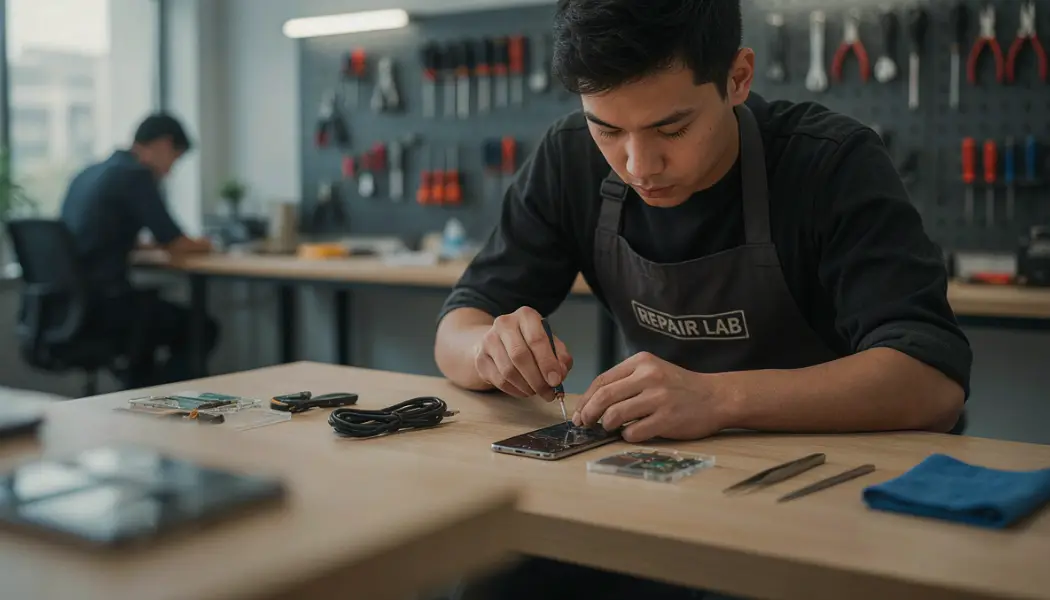
Smartphones have become an essential part of everyday life. People use mobile devices for communication, education, banking, shopping, entertainment, and business. As the number of smartphones continues to grow, the need for skilled professionals who can diagnose and repair mobile devices is also increasing.
For students, beginners, and individuals looking for a practical career option, learning mobile repair skills can create several opportunities. With proper technical knowledge and hands-on experience, mobile repair can become a valuable career path in Tirur and other parts of Kerala.
Modern smartphones are advanced electronic devices with multiple hardware and software components. Problems can range from damaged screens and charging issues to battery failures, software errors, and motherboard-related faults.
When these problems occur, customers usually prefer reliable technicians who can identify the issue and provide an effective solution. This creates a continuing need for people with practical mobile repair knowledge.
Unlike some careers that require years of academic study, mobile repair can be learned through structured technical training combined with regular practice. This makes it an interesting option for people who want to develop a job-oriented skill.
Learning mobile repair does not necessarily mean working in only one type of job. A trained technician can explore different career paths depending on their skills, experience, and interests.
The most direct career option is working as a mobile repair technician. Technicians may diagnose common device problems, replace components, perform repairs, and troubleshoot hardware and software issues.
With experience, technicians can become more confident in handling complex repairs and different smartphone models.
Mobile service centres and electronics repair businesses require technicians who understand device diagnostics and repair procedures.
A person with practical training may find opportunities in service centres where they can gain professional experience while working with different types of devices.
Many mobile phone stores and electronics businesses also provide basic repair or after-sales support. Understanding mobile hardware can therefore be useful for people working in the broader mobile and electronics industry.
Technical knowledge can also help employees communicate more effectively with customers about device problems and repair requirements.
One of the major advantages of learning mobile repair is the possibility of becoming self-employed.
After gaining sufficient technical knowledge and practical experience, a technician can consider starting a small repair shop in Tirur or another location. The business can gradually expand by offering services for different smartphone brands and device problems.
Entrepreneurship also gives technicians the opportunity to build their own customer base and develop a local reputation.
Some experienced technicians may choose to offer repair services independently rather than working in a traditional service centre.
Freelance technicians can serve customers through local networks, referrals, or home-service models where appropriate. Good communication, reliable service, and technical accuracy can help build long-term customer relationships.
Technical training is only one part of becoming a successful mobile technician. Developing the right combination of technical and professional skills is equally important.
Some useful skills include:
A technician who continues learning can stay updated as smartphone technologies and repair methods evolve.
Mobile repair is a hands-on profession. Reading about components and repair procedures is useful, but practical experience is essential for developing confidence.
During practical training, learners can become familiar with repair tools, device components, diagnostic methods, and common faults. Repeated practice can help beginners understand how different problems are identified and resolved.
Practical learning also allows students to make mistakes in a supervised environment and understand the correct repair process before working with customer devices.
Mobile repair training can be suitable for a variety of learners, including:
The field can be particularly useful for people who enjoy working with technology and solving technical problems.
Completing a course is only the beginning. Building a successful career requires continuous practice and real-world experience.
A learner can start by developing basic troubleshooting skills, practicing with different devices, gaining experience in a repair environment, and gradually taking on more complicated technical problems.
Keeping up with new smartphone technologies is also important. Devices, components, operating systems, and repair techniques continue to change, so successful technicians need to keep learning.
For people searching for Mobile Repair Training in Tirur, choosing a practical learning environment can make a significant difference. A good training program should provide exposure to mobile components, repair tools, troubleshooting methods, and real-world technical situations.
At Magnus Innovative, learners can develop practical knowledge that can help them understand the fundamentals of mobile technology and explore career opportunities in the repair industry.
The goal of technical education should not only be to complete a course but also to develop useful skills that can be applied in a professional environment.
Mobile phones are now an important part of everyday life, and skilled technicians play an important role in keeping these devices functional. For individuals in Tirur who are interested in technology, mobile repair can provide a practical route toward employment, self-employment, or further technical development.
With proper training, consistent practice, and a willingness to keep learning, mobile repair skills can become the foundation for a rewarding technical career.
 Magnus Forum